


2025 Rhino Poaching Numbers, South Africa: Progress, Pressure Points, and the Path Forward

16% Decline in Rhino Poaching in South Africa
10 February 2026
South Africa recorded a 16% decline in rhino poaching in 2025, a significant milestone in the ongoing fight against wildlife trafficking. According to the Minister of Forestry, Fisheries and the Environment, Mr. Willie Aucamp, this reduction reflects intensified anti-poaching and anti-trafficking coordination across government, private reserves, and conservation partners.
“From January to December 2025, 352 rhinos were poached in South Africa… This was a decrease of 68 in comparison to 420 rhinos poached in 2024,” said Minister Aucamp.
Of the 352 rhinos killed, 266 were poached on state-owned properties and 86 on privately owned reserves, parks, and farms. While the overall trend shows improvement, regional dynamics highlight shifting pressure and evolving threats.
Regional Trends: Declines and Concerning Increases
The data reveals a complex national picture.
Mpumalanga Province was the hardest hit, losing 178 rhinos in 2025, nearly doubling the 92 rhinos lost in 2024. Most of these losses occurred within Kruger National Park, where poaching increased from 88 rhinos in 2024 to 175 in 2025, a stark reminder that criminal syndicates continue to adapt and exploit vulnerabilities.
In contrast, Hluhluwe–iMfolozi Park in KwaZulu-Natal experienced a dramatic reduction, with poaching dropping from 198 rhinos in 2024 to 63 in 2025. This success was attributed to strengthened collaboration and integrated protection strategies.
Ezemvelo KZN Wildlife credited the reduction to closer collaboration through the Integrated Wildlife Zones (IWZ) Programme and sustained support from partners including WWF, Save the Rhino International, Wildlife ACT, and Peace Parks Foundation.
What’s Driving the Decline?
While strategic dehorning in 2024 helped stabilise poaching pressures, authorities emphasized that multiple layered interventions were critical to the 2025 decline. These included:
Enhanced detection and early-warning systems, including advanced camera technologies and sensors
Targeted anti-poaching interventions and rapid response coordination
Integrity and accountability measures, including polygraph testing of law enforcement personnel
Improved prosecution and centralisation of cases, focusing on organised crime networks and financial crimes
“Analysis of the 2025 outcomes confirms that multiple complementary interventions were central to the reduction in poaching incidents,” the Minister noted.
Strengthening the Justice Response
A major pillar of progress has been improved prosecution and collaboration among enforcement agencies. Through the National Integrated Strategy to Combat Wildlife Trafficking (NISCWT), authorities have centralised investigations and prosecutions to target syndicates at higher levels.
One landmark case involved ZM Muiambo (alias Thomas Chauke), who was convicted on 19 charges including illegal hunting, conspiracy, theft of rhino horn, illegal firearms possession, and escaping lawful custody. He was sentenced to 20 years in prison in April 2025.
This case highlights the importance of coordinated law enforcement and judicial action in disrupting organized wildlife crime.
The Role of Partnerships and the Private Sector
Minister Aucamp acknowledged the crucial role of private rhino owners, conservation NGOs, and international partners, emphasizing that sustained progress requires coordinated action across sectors.
“Sustaining this downward trend in rhino poaching requires coordinated and aligned action by government, the private sector and non-governmental organisations,” he said.
Initiatives such as the IWZ Programme and the SAMLIT Illegal Wildlife Trade Task Force, working with financial intelligence and banking institutions, are central to targeting the financial structures underpinning wildlife trafficking.
Looking Ahead: Adaptive, Intelligence-Driven Conservation
South Africa’s continued international collaboration has been recognised through the Asia Environmental Enforcement Recognition of Excellence Award, underscoring global efforts to combat transboundary environmental crime.
“We remain committed to a balanced, intelligence-driven, and partnership-based approach to rhino protection, recognising that sustained success requires constant adaptation, integrity, and cooperation across all sectors,” Minister Aucamp stated.
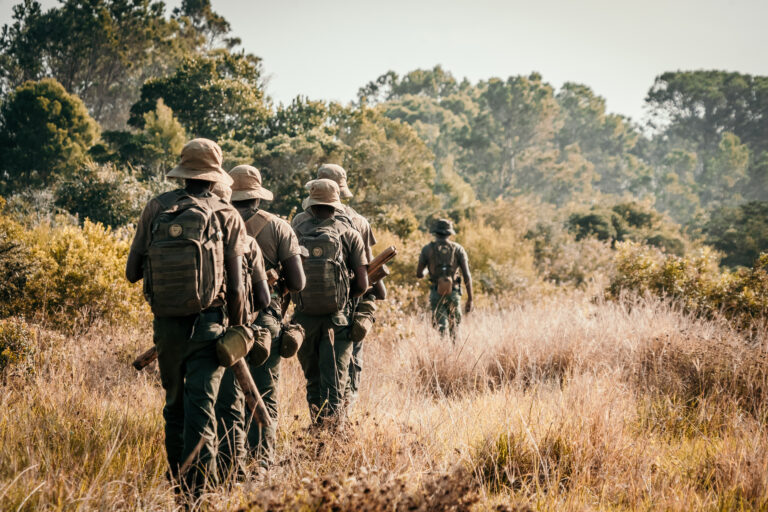
GCF Perspective
The 16% national decline in rhino poaching is an important indicator that integrated conservation, enforcement, and intelligence-led strategies work. However, the sharp increase in Mpumalanga and Kruger National Park underscores that pressure shifts rather than disappears. Criminal syndicates remain adaptive, and continued investment in technology, integrity frameworks, and prosecution pathways is essential.
As the graphic accompanying this blog illustrates, rhino poaching remains unevenly distributed across landscapes, requiring region-specific, data-driven countermeasures. Sustained progress will depend on collaboration, transparency, and continuous innovation in counter-wildlife trafficking strategies.
How GCF Is Advancing the Fight Against Rhino Poaching
At Global Conservation Force (GCF), this data reinforces both the progress made and the urgent work still required. Poaching pressure continues to shift geographically and tactically, and GCF remains focused on field-driven, intelligence-led, and community-supported conservation solutions.
Counter-Poaching and Wildlife Trafficking Disruption
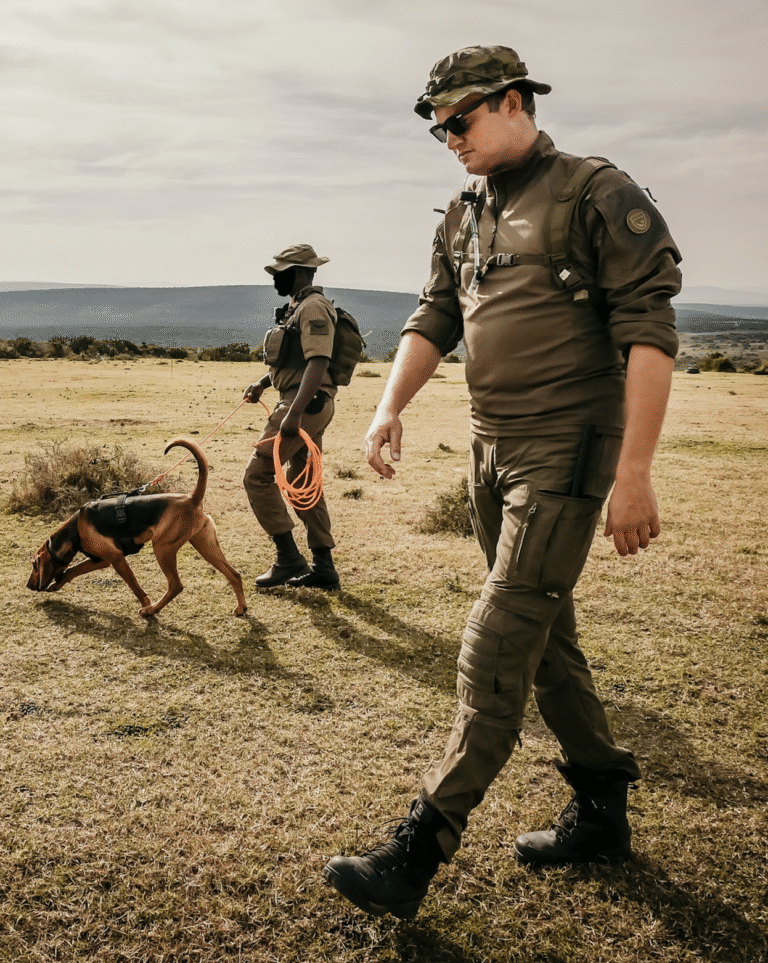
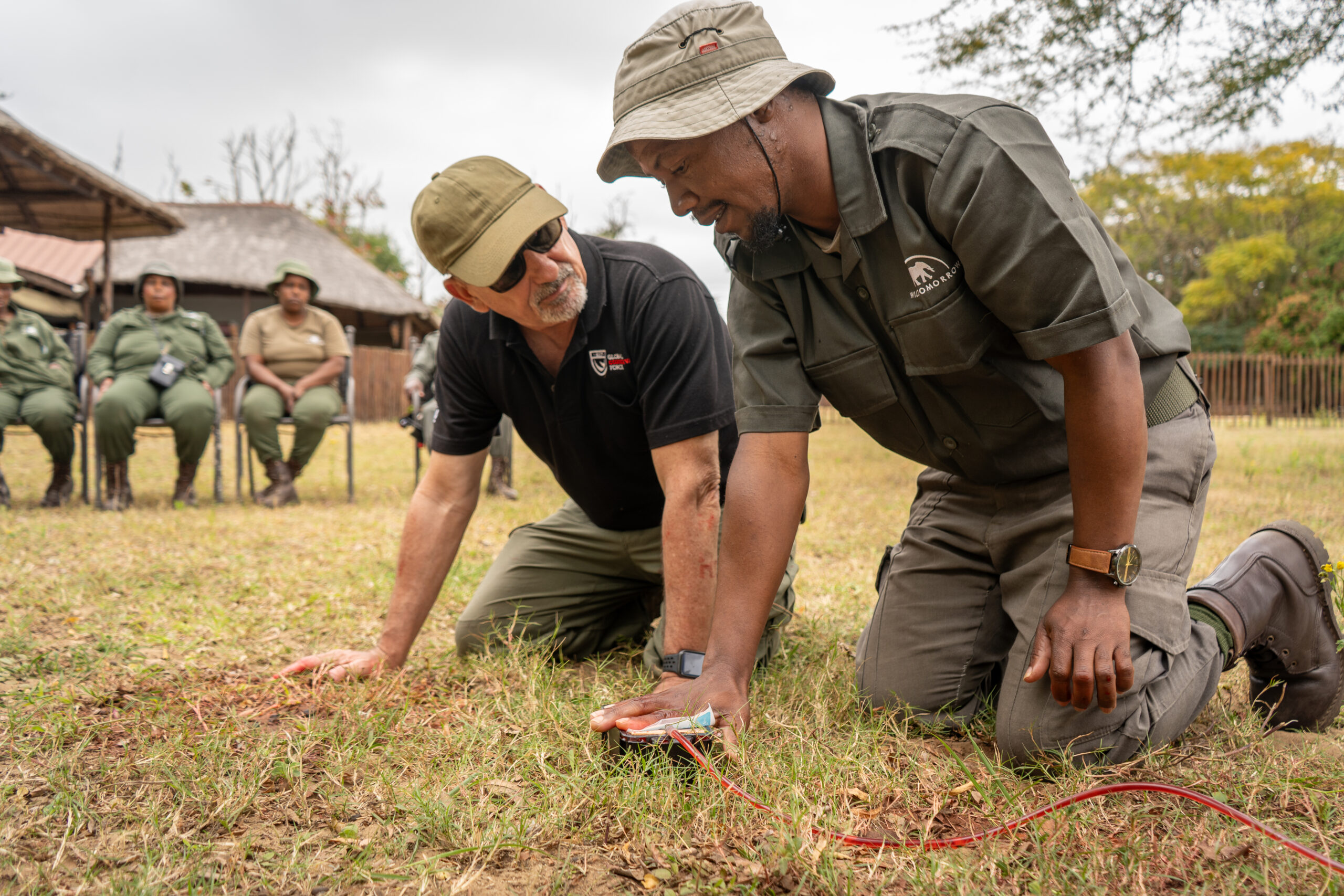
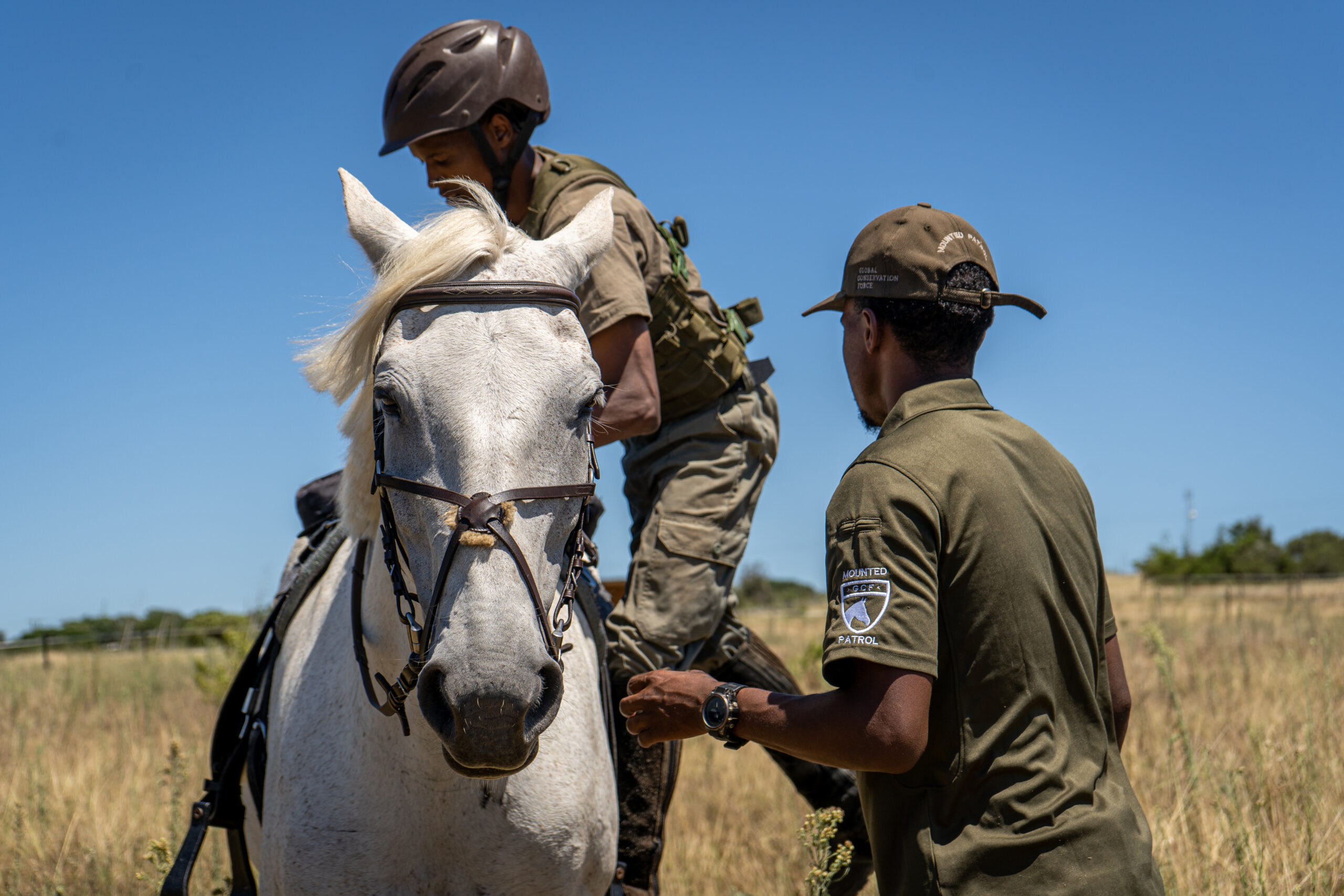
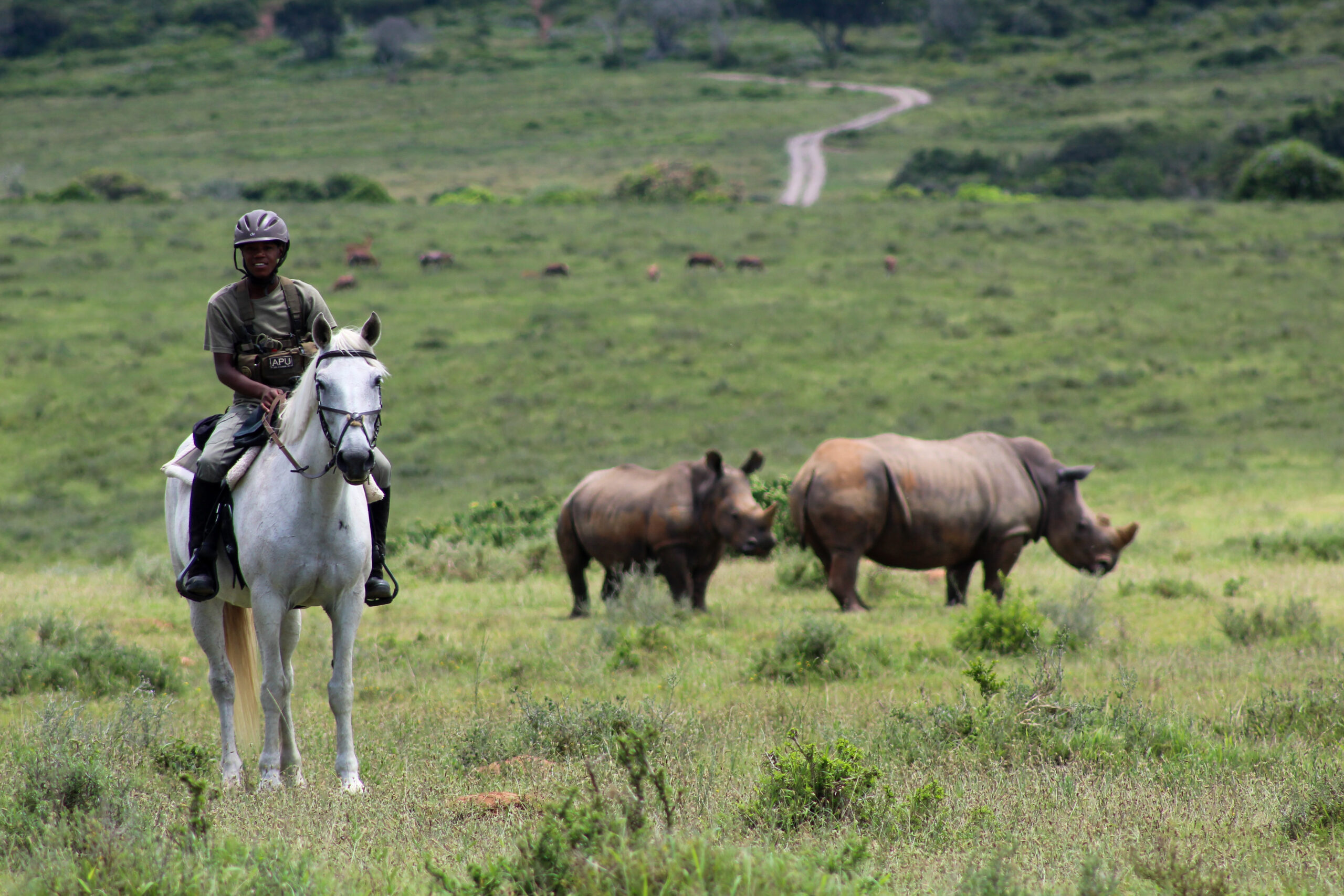
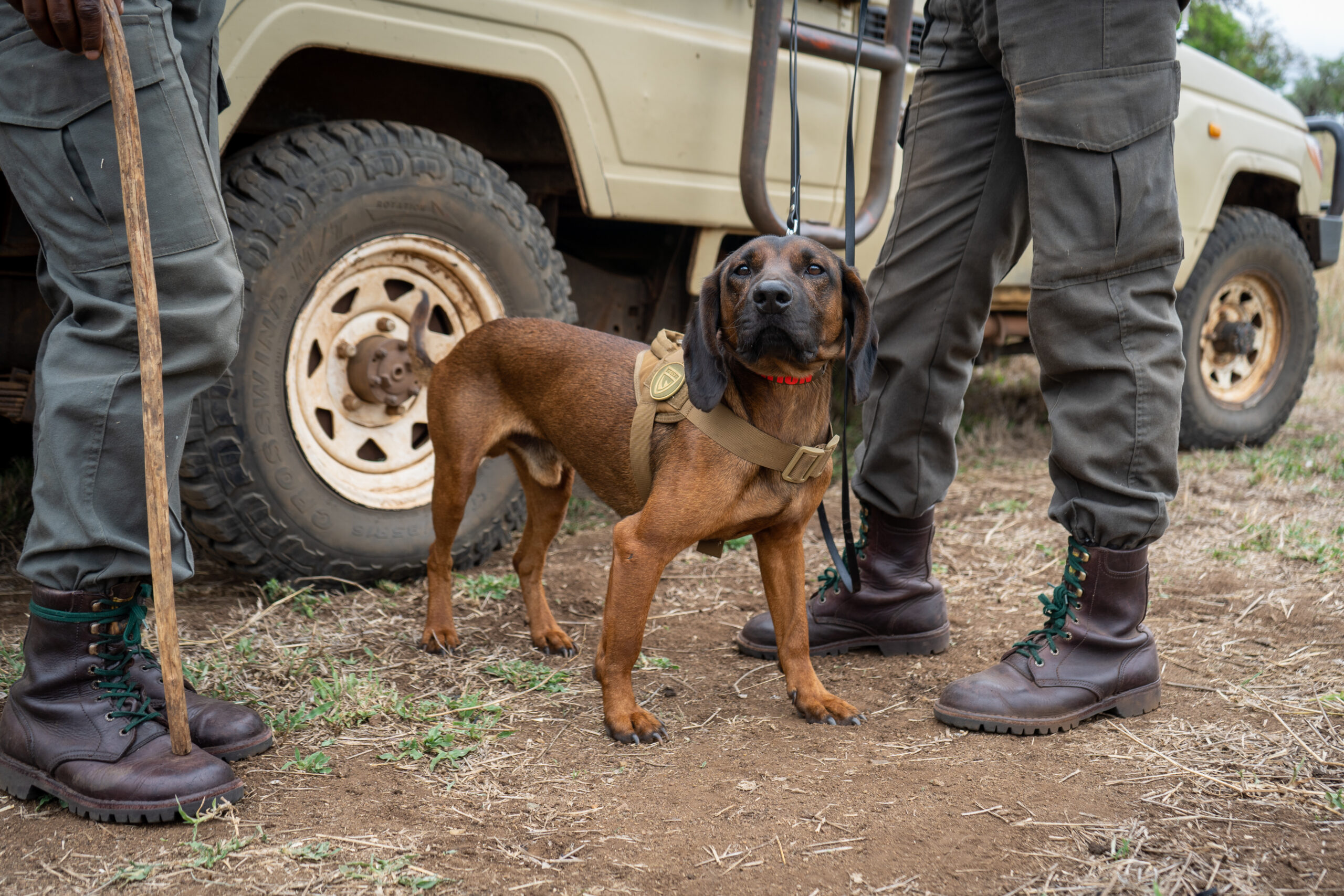
GCF continues to support frontline anti-poaching operations through K9 deployment, ranger training, and field-based intelligence support. Our programs focus on enhancing detection capability, improving rapid response coordination, and strengthening interdiction efforts along key trafficking routes. By supporting operational teams on the ground and collaborating with local and international partners, GCF contributes to disrupting organised wildlife crime networks beyond the poaching incident itself.
Intelligence and Technology Integration
Recognising that modern wildlife crime is syndicate-driven and technologically adaptive, GCF integrates surveillance technologies, sensor platforms, data-driven risk mapping, and intelligence frameworks into conservation operations. These tools help identify emerging threats, inform tactical deployment, and strengthen early-warning systems—mirroring the layered approaches highlighted in national strategies such as South Africa’s NISCWT.
Conservation Education and Community Engagement
GCF continues to expand conservation education programs, working with local communities, schools, and stakeholders to build awareness, foster stewardship, and create sustainable pathways that reduce reliance on illegal wildlife exploitation. Education remains a cornerstone of long-term conservation success, ensuring future generations are empowered to protect wildlife and ecosystems.
Rhino Habitat Expansion and Landscape-Level Conservation
Beyond protection, GCF is actively engaged in rhino habitat expansion and restoration initiatives, supporting the growth of secure, ecologically viable landscapes for rhino populations. By strengthening protected areas, improving habitat connectivity, and supporting responsible land stewardship, GCF aims to increase long-term carrying capacity and resilience for rhinos and other threatened species.
GCF Outlook
The 16% national decline in rhino poaching demonstrates that coordinated enforcement, technology, integrity frameworks, and partnerships can yield measurable impact.
GCF remains committed to a balanced, intelligence-driven, and partnership-based approach—combining frontline protection, trafficking disruption, education, and habitat expansion to ensure rhinos not only survive, but recover across Africa.

- Copyright 2024. All Rights Reserved. Powered by Wild Media.