Global Conservation Force is proud to continue expanding international conservation canine capacity through our ongoing partnership with Creative Conservation Alliance (CCA) in Bangladesh and our longtime canine training partners at Scent Imprint for Dogs.
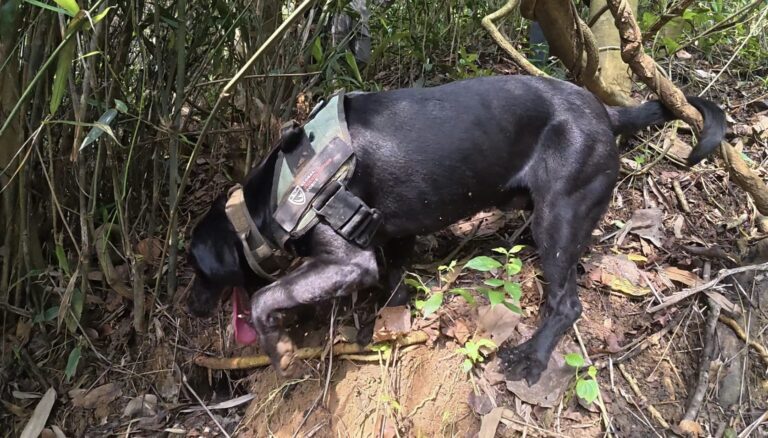
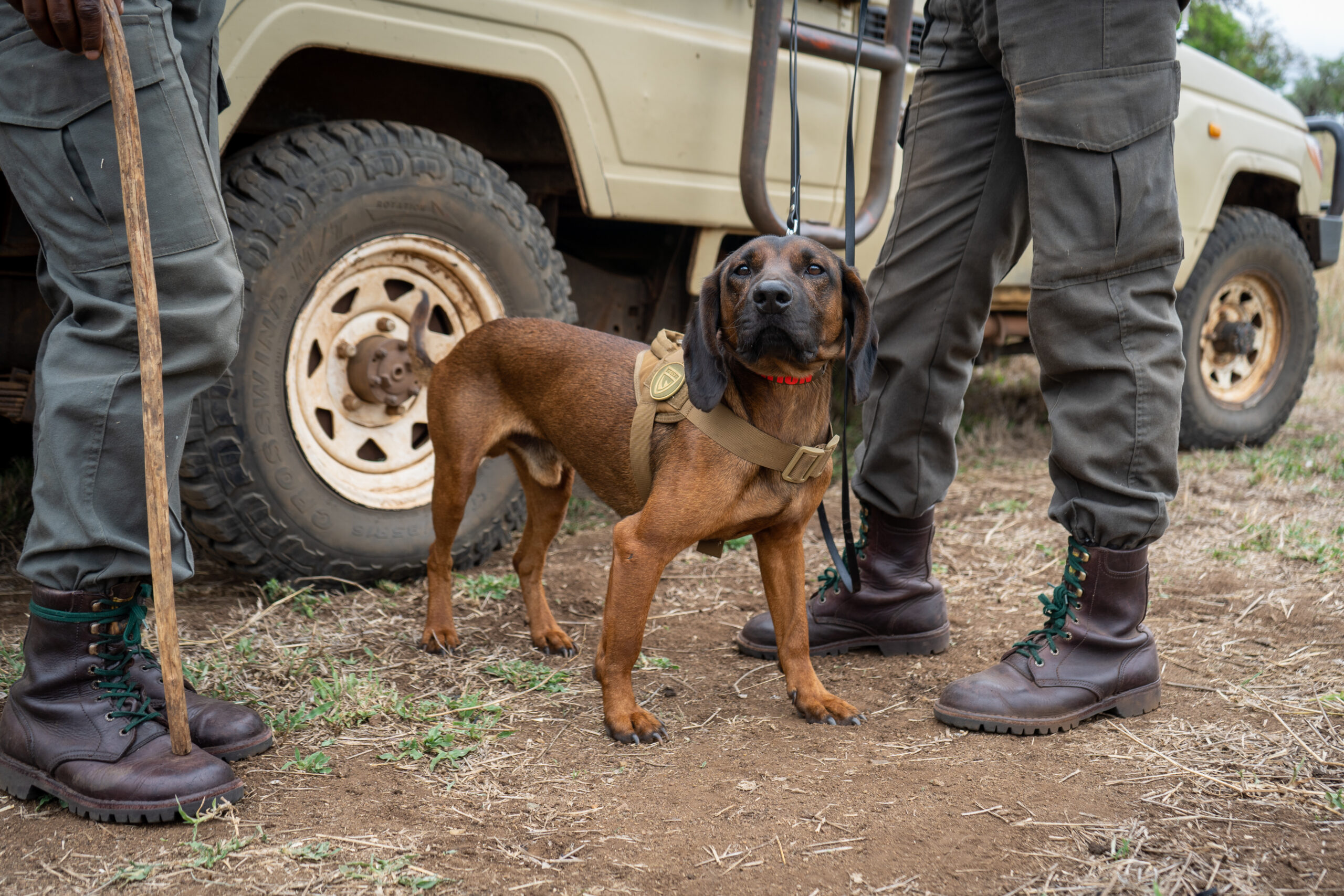
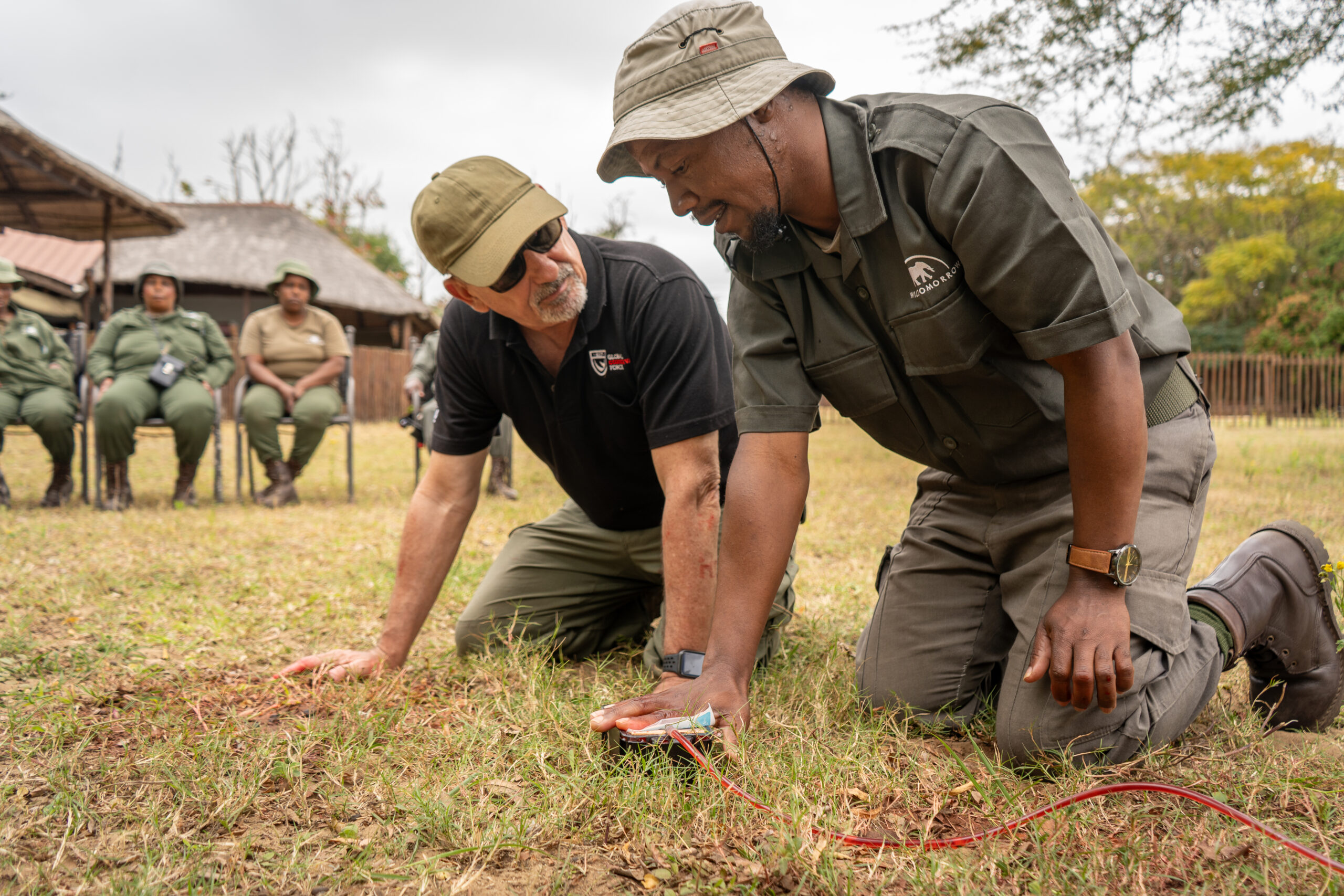
Recently, GCF sponsored and facilitated a 10-day in-country conservation detection canine training program focused on advancing the capabilities of Clive, Global Conservation Force’s conservation detection dog stationed with our partners at Creative Conservation Alliance, and the local handlers who work alongside him to protect some of Bangladesh’s most vulnerable wildlife. Leading the training was Douwe Haspels of Scent Imprint for Dogs, the organization responsible for helping develop and train Clive as a conservation detection canine. Over the course of ten days, Douwe worked directly with handlers and conservation staff in the field, strengthening both canine and handler performance while building long-term local capacity for wildlife monitoring and species protection.
The training focused on the use of scent detection to locate and monitor endangered species, including pangolins and tortoises, which can be notoriously difficult to find through conventional survey methods. By utilizing a trained conservation canine, teams can gather critical information on species presence, habitat use, and population distribution more efficiently and with less disturbance to wildlife. A major component of the course focused on helping handlers better understand how scent moves through the environment and how Clive interprets and follows odor under varying field conditions. Participants received practical instruction on reading canine behavior, search planning, environmental influences on scent movement, and maximizing detection success in challenging terrain.
As part of GCF’s support for the program, additional field equipment and operational gear were provided to help strengthen the team’s ongoing conservation efforts. The training also introduced a more advanced development framework, including a formal training rubric and future virtual canine seminars designed to continue advancing handler knowledge and technical skills throughout the year. These virtual learning opportunities will allow the team to dive deeper into scent theory, canine cognition, search strategy development, environmental conditions affecting detection work, and methods for continually improving Clive’s effectiveness in the field.
The work being conducted by Clive and his handlers extends far beyond locating individual animals. Every successful detection contributes valuable ecological data that helps conservationists better understand and protect critical habitats. This information can play an important role in demonstrating the conservation value of landscapes, supporting management decisions, and strengthening protections for areas that harbor endangered wildlife.
For Global Conservation Force, programs like this represent the future of conservation partnerships, building local expertise, empowering conservation professionals with specialized tools and training, and creating sustainable programs that continue delivering impact long after instructors leave the field.
We are grateful to our partners at Creative Conservation Alliance for their dedication to protecting Bangladesh’s wildlife and to Douwe Haspels and the team at Scent Imprint for Dogs for their continued support in developing conservation canine programs around the world. Together, Clive, his handlers, and the broader conservation team are helping safeguard some of Bangladesh’s most threatened species while demonstrating the incredible value that well-trained conservation detection dogs can bring to wildlife protection efforts.