


Our Events

- This event has passed.
Wildlife Protection and Conservation Bootcamp | California, USA
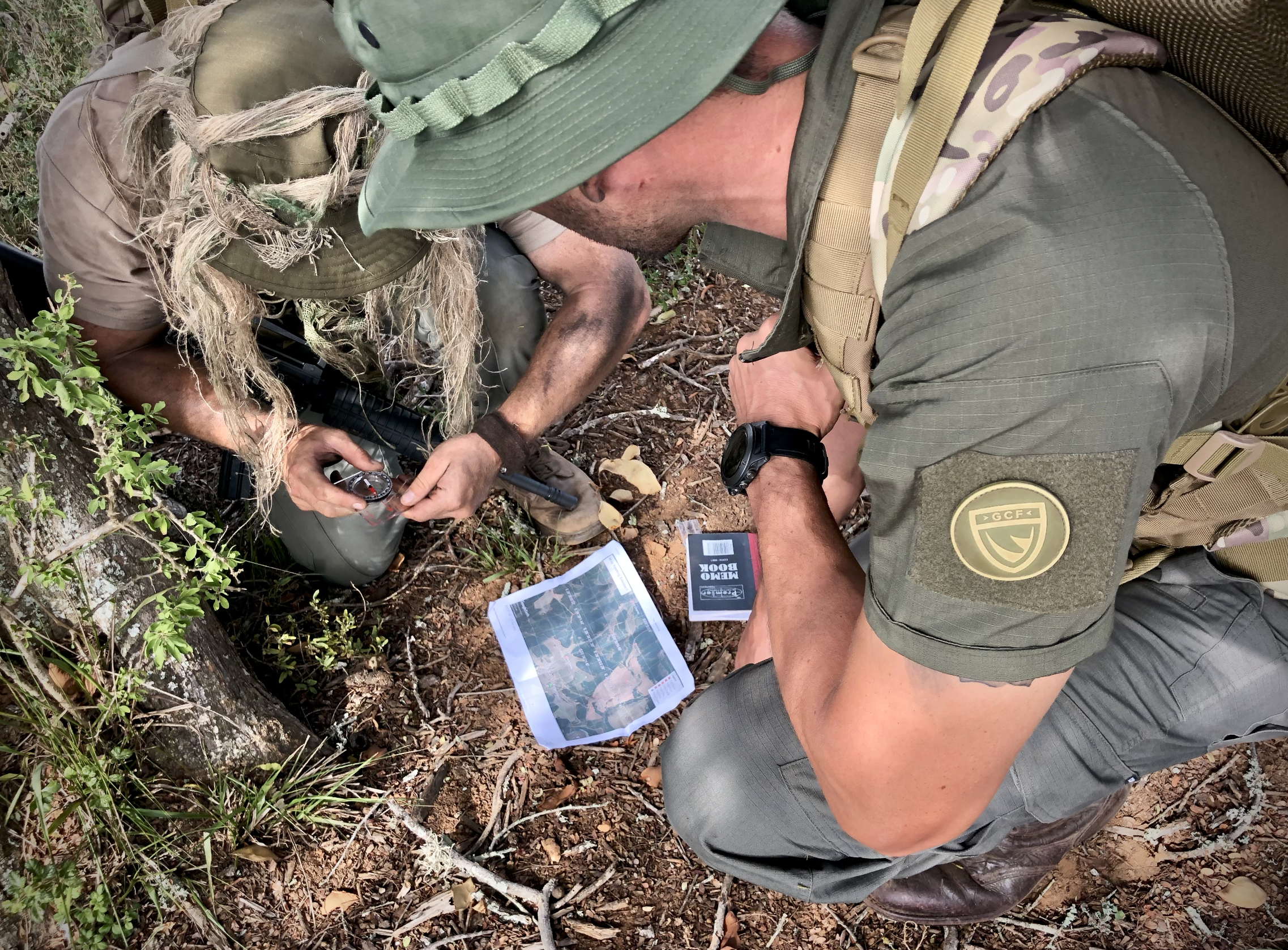
Program Length: 17 Days | 16 Nights in Southern and Central California
Dates: August 24th – September 9th, 2026
Location: Southern and Central California
Instructors: Mike Veale, Mike Stoh, others TBA
Cost: $3,500 USD per person
Program Description
The Global Conservation Force Wildlife Protection & Conservation Bootcamp is an advanced, multi-environment field training program designed to prepare conservation professionals for wildlife protection operations across diverse global landscapes. This course differs significantly from the Global Conservation Force Southern African Intro to Anti-Poaching Bootcamp, which focuses heavily on the South African operational environment and primarily supports locally selected recruits from rural communities.The Wildlife Protection & Conservation Bootcamp is built for individuals seeking to develop high-level field capability applicable across multiple continents, including Central America, Asia, and remote regions throughout Africa. This program emphasizes adaptable conservation security skills that translate across ecosystems, cultures, and wildlife conflict zones.This bootcamp is designed for advanced students, conservation practitioners, and those pursuing long-term careers as rangers, wildlife protection specialists, or future instructors. Training is delivered at an accelerated pace and higher technical standard, requiring strong mental resilience, physical endurance, and the ability to perform under sustained stress and environmental pressure.
Funds raised from this course support our advanced ranger training programs sponsored by Global Conservation Force for active and established non profits, anti-poaching units, and wildlife conservation efforts.
Training Philosophy
This course is grounded in experience-led instruction, taught by Global Conservation Force’s most senior wildlife protection and conservation security instructors. Training staff include professionals with over 20 years of combined experience in law enforcement, specialized military units, conservation security operations, and anti-poaching deployments across multiple countries and wildlife crisis zones.Instruction is designed to produce practical, legitimate field outcomes, ensuring recruits develop real-world operational competence rather than theoretical familiarity. Participants will train continuously in demanding outdoor environments, functioning with limited sleep, restricted resources, and challenging terrain—conditions reflective of real-world wildlife protection operations.
Operational Environments
Training takes place across a wide range of demanding natural environments to simulate multi-continent conservation deployments. Recruits will live and operate in:
- Bear, wolf, and mountain lion habitat
- Desert terrain
- Alpine environments below and above tree-line in the Sierra Nevada mountain range
- California coastal ecosystems
- Remote backcountry patrol zones
Recruits will operate from remote patrol camps, living out of backpacks and subsisting on carried food rations while maintaining operational readiness. Throughout the course, recruits will encounter multiple terrain and climate challenges while living and operating in environments where dangerous wildlife is present. Students will be expected to maintain awareness, discipline, and environmental responsibility at all times.
Core Skills Development
The Wildlife Protection & Conservation Bootcamp builds upon foundational conservation field skills while expanding into advanced multi-environment capability.Core training includes:
- Advanced man-tracking across multiple habitats
- Bushcraft and survival techniques in desert, alpine, and coastal ecosystems
- Land navigation and orienteering using map and compass
- Radio communications and field reporting
- Remote patrol operations and team movement
- Snare detection and removal operations
- Poacher detection and intervention procedures
- Firearm safety, handling, and field deployment across multiple platforms
- Low-signature movement and concealment techniques
- Leave No Trace environmental discipline
- Wildlife identification and conservation awareness
- Emergency medical response, including TECC-based field care
- Venomous snake awareness, handling, and first aid response
- Remote survival and sustainment logistics
Recruits will be expected to operate as disciplined field professionals capable of adapting their skills to multiple ecosystems and operational conditions.
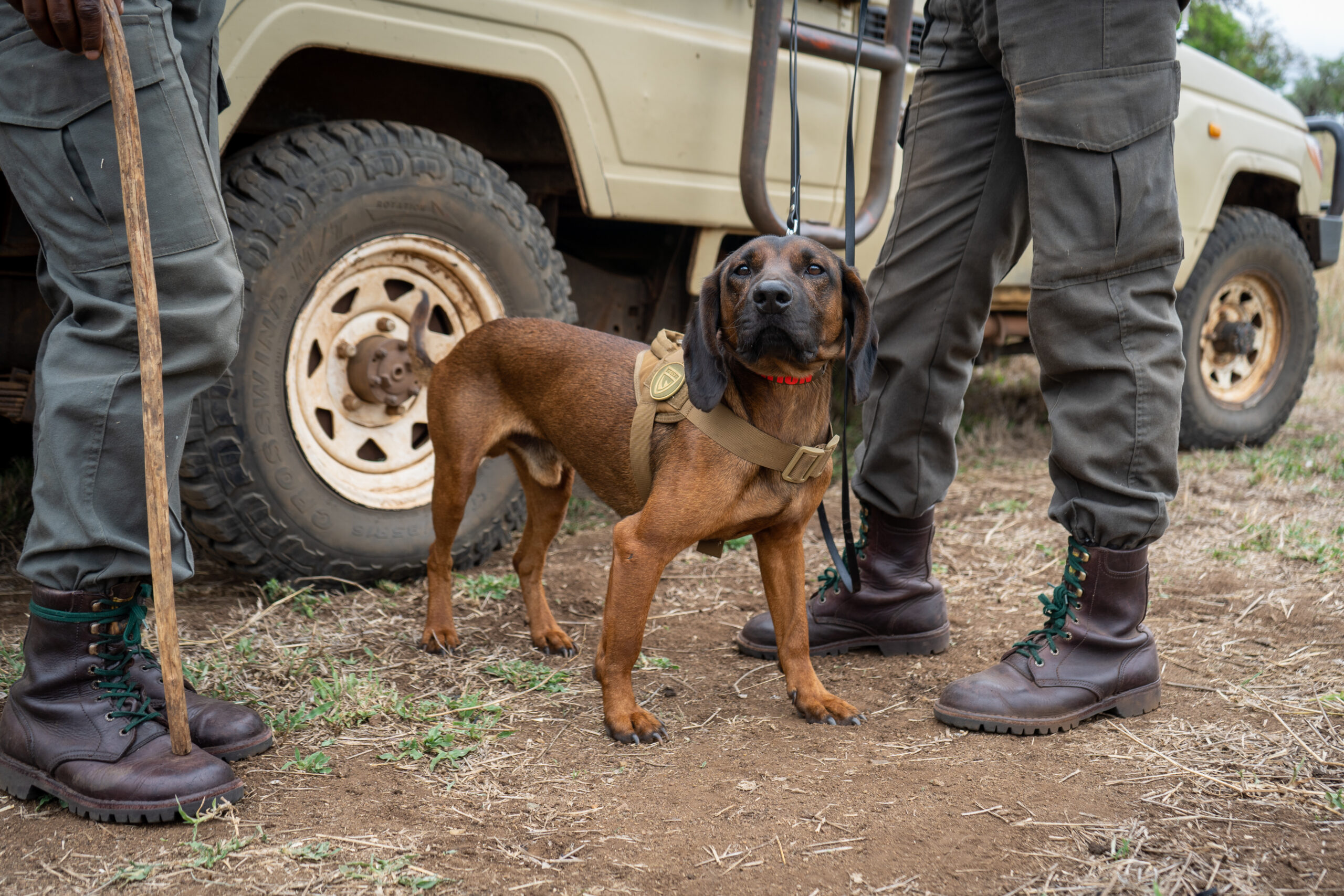
In addition to traditional conservation security and fieldcraft training, recruits will receive an introduction to conservation and wildlife protection K9 operations. This component will expose students to the role of working dogs in wildlife protection, including detection, tracking, and integrated operations support. Recruits will observe and participate in training environments that demonstrate how conservation K9 teams operate alongside ranger units and field personnel. This K9 component will be integrated into broader operational scenarios to provide realistic exposure to multi-unit conservation field operations.
Field Living & Operational Demands
This course is mentally and physically demanding and conducted entirely in outdoor environments. Recruits must be prepared to operate under challenging conditions that mirror real conservation security work.Operational expectations include:
- Daily hiking with weighted packs
- Extended remote camping operations
- Cooking over open fire
- Foraging and food preparation
- Operating during both day and night cycles
- Swimming and crossing still and moving bodies of water
- Navigating terrain with limited or rationed water
- Locating natural water sources using navigation skills
- Filtering and processing water for survival use
- Maintaining operational readiness under fatigue and environmental stress
Water may be rationed during portions of the training, and recruits will be expected to locate water sources using map and compass navigation. Students will hike daily while carrying weight, prepare food by fire, conduct patrol-style operations, and function both during daylight and nighttime operations.Students will be expected to swim and safely cross still and moving bodies of water as part of operational training.
Recruits will be expected to move quietly, minimize their footprint, and function as disciplined conservation professionals capable of operating with minimal support. Emphasis is placed on stealth movement, environmental responsibility, and maintaining a “leave no trace” mindset in all environments.
Linked Training Pathways & South Africa Deployment Requirements
The Wildlife Protection & Conservation Bootcamp functions as part of a larger professional training pathway and pairs directly with the Global Conservation Force Intro to Anti-Poaching Bootcamp. While this course prepares recruits for multi-environment wildlife protection operations across regions such as Central America, Asia, and remote areas of Africa, individuals wishing to volunteer or operate within Global Conservation Force South Africa project regions must complete additional region-specific training.
Recruits who complete this course and wish to participate in field operations in South Africa will be required to complete either a Field Guides Association of Southern Africa (FGASA)-recognized course or the Global Conservation Force Introduction to Dangerous Game, African Wildlife, and Wildlife Tracking Course, taught under FGASA-certified instructors.
This additional requirement includes a minimum of at least 10 days spent on foot, living and operating within dangerous game environments while learning:
- African dangerous game awareness and safety
- African wildlife identification
- Habitat-specific wildlife behavior
- Advanced tracking techniques in African ecosystems
- Safe movement and field discipline in dangerous game environments
As part of the integrated training pathway developed by Global Conservation Force, participants who complete either the Wildlife Protection & Conservation Bootcamp or the Intro to Anti-Poaching Bootcamp will receive a discounted enrollment rate for the Introduction to Dangerous Game, African Wildlife, and Wildlife Tracking Course.
These linked courses are designed to build progressive competency, allowing recruits to expand their capabilities across multiple regions while maintaining the safety and operational standards required for wildlife protection work worldwide.
Equipment, Personal Items & Course Regulations
To maintain uniformity, safety, and operational effectiveness, all recruits participating in the Wildlife Protection & Conservation Bootcamp will follow standardized equipment and personal item requirements.Recruits may bring a limited number of personal items necessary for hygiene, safety, and individual needs. Approved personal items include:
- Personal toiletries
- Headlamp
- Required prescription medications
- Pocket knife (fixed blade or folding)
- Personal running shoes
- Swim suit
- A change of clothes for the first day of arrival
- A change of clothes for the final day of departure
- Personal socks and sufficient undergarments
Recruits should bring sufficient undergarments for the duration of the course, as access to laundry services may be limited or unavailable during extended field operations.Recruits will be provided the option to select and purchase an approved boot type prior to the start of the course. All boots used during training must meet course standards to ensure safety, durability, and performance across multiple terrain types.Upon arrival, recruits will be issued a standardized set of uniforms and operational equipment, including all required gear for:
- Camping
- Sleeping
- Cooking
- Backpacking and rucking operations
To ensure uniformity and prevent equipment failure or incompatibility, external backpacks, daypacks, or personal rucksacks will not be permitted for use during the course.For safety, discipline, and operational readiness, the following restrictions apply:
- Cigarettes and alcohol are strictly prohibited during the duration of the course
- Personal firearms are not permitted under any circumstances
- All firearm training conducted during the course will utilize approved training platforms under instructor supervision
These equipment standards are designed to ensure consistency across the training environment, reduce risk, and maintain the professional operational structure expected within Global Conservation Force training programs.
What’s Included
The following items and services are included in the course cost:
- Pickup and drop-off transportation at San Diego International Airport
- All transportation required throughout the duration of the course
- All meals and field food rations for the full duration of the course
- All necessary course gear and equipment
- All disposable course items required during training
- Standardized uniforms issued for training
- All required camping, sleeping, and cooking equipment
- Issued backpacking and rucking equipment
- Training materials and operational equipment
- Instruction from senior wildlife protection and conservation professionals
- Firearm training utilizing approved platforms
- Emergency medical and safety support during training
- Access to all training environments across Southern and Central California
Program Policies, Standards & Conduct
Participation in the Global Conservation Force Wildlife Protection & Conservation Bootcamp requires strict adherence to safety, discipline, and professional conduct standards. This course is designed to replicate the expectations and accountability found in real-world wildlife protection and conservation operations.
Successful completion of this course does not guarantee employment, internship placement, or volunteer opportunities with Global Conservation Force or any affiliated conservation organization. Completion of training indicates that a recruit has met the performance standards of this course but does not constitute job placement or assignment eligibility.
Recruits are expected to maintain professional conduct at all times and comply with all Global Conservation Force policies, instructor direction, safety protocols, and applicable California state and federal laws throughout the duration of the training.
Recruits may be failed at any time and removed from the course if they:
- Violate Global Conservation Force policies
- Fail to follow safety regulations or instructor direction
- Engage in unsafe or reckless behavior
- Violate local, state, or federal laws
- Demonstrate conduct inconsistent with the standards expected of conservation professionals
- Fail to meet required performance, safety, or conduct standards
Removal from the course may occur without completion certification if a recruit fails to meet required standards or violates program policies. These measures are necessary to maintain the safety of all participants and uphold the operational integrity of Global Conservation Force training programs.
Details
- Start: August 24 @ 8:00 am
- End: September 9 @ 5:00 pm
- Cost: $3500
- Event Category: Professional Development Course
- Event Tags:africa ranger bootcamp, africa ranger training course, anti poaching bootcamp, Anti poaching course, anti poaching programme, anti poaching training, wildlife conservation course, Wildlife law enforcement, wildlife protection course
- Website: K9 Field Training and Integrated Operations | South Africa | August 17th - 24th, 2026
Organizer
- Global Conservation Force
- Email N.Frolander@globalconservationforce.org

- Copyright 2024. All Rights Reserved. Powered by Wild Media.