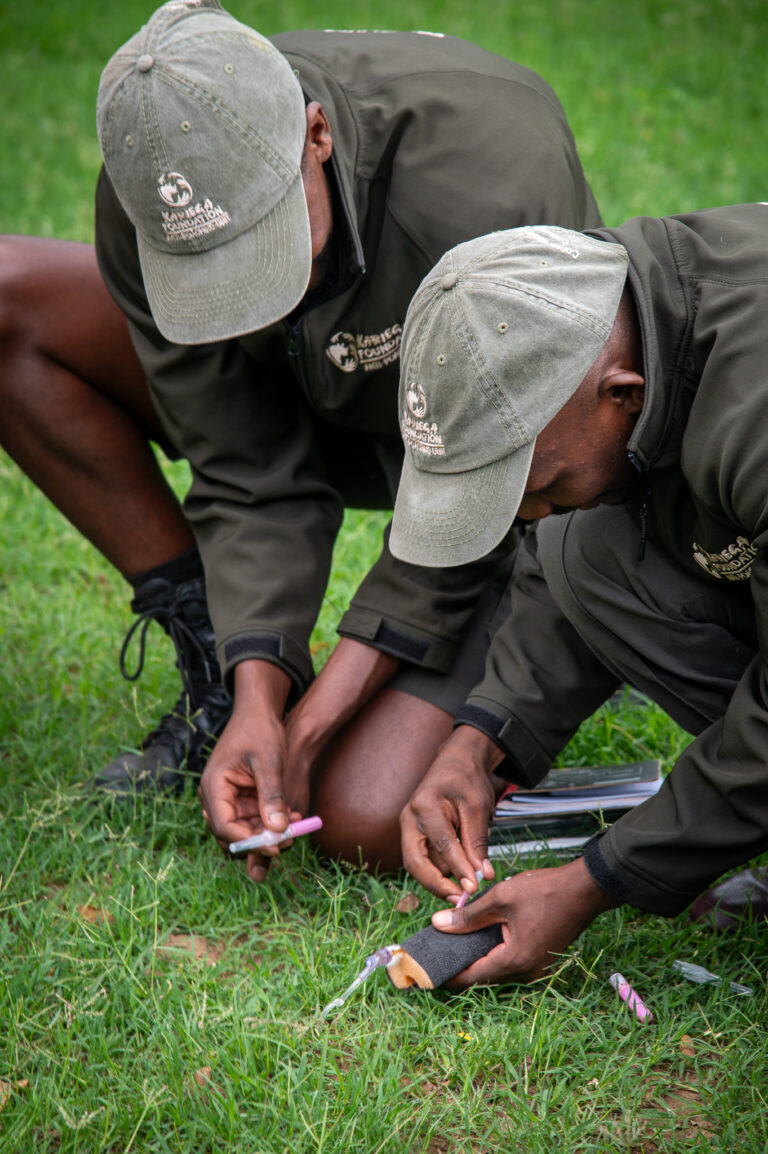
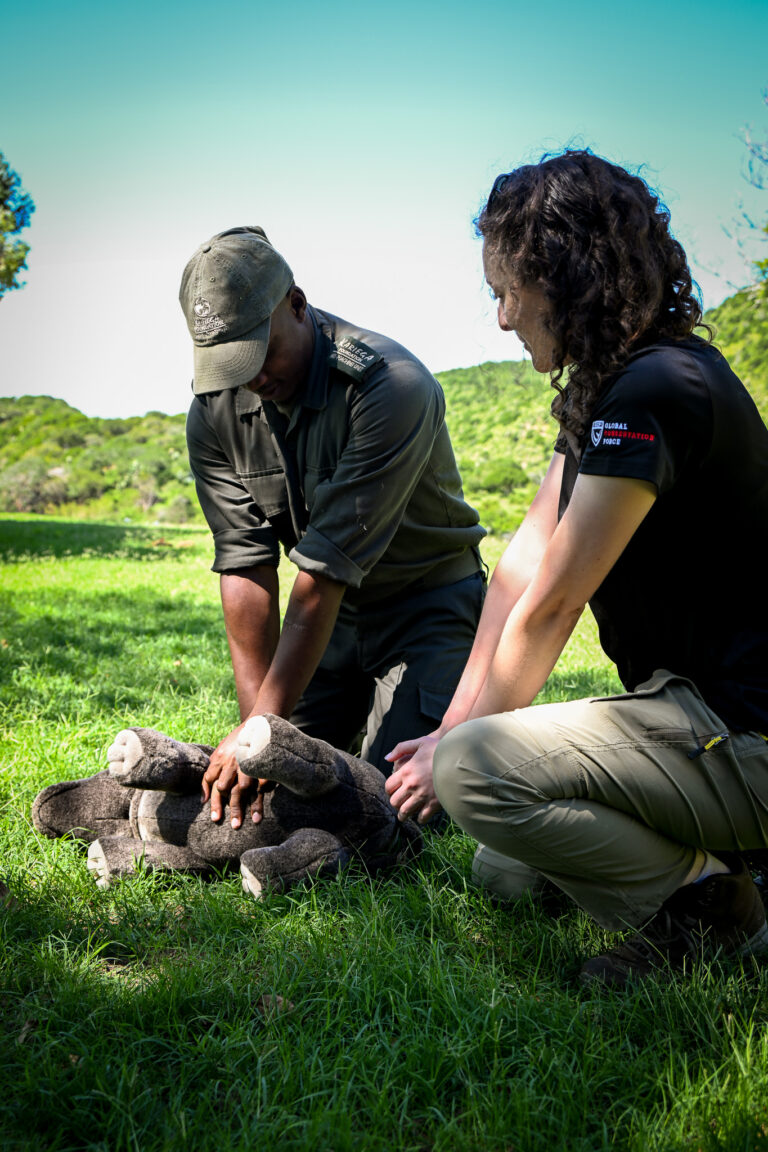
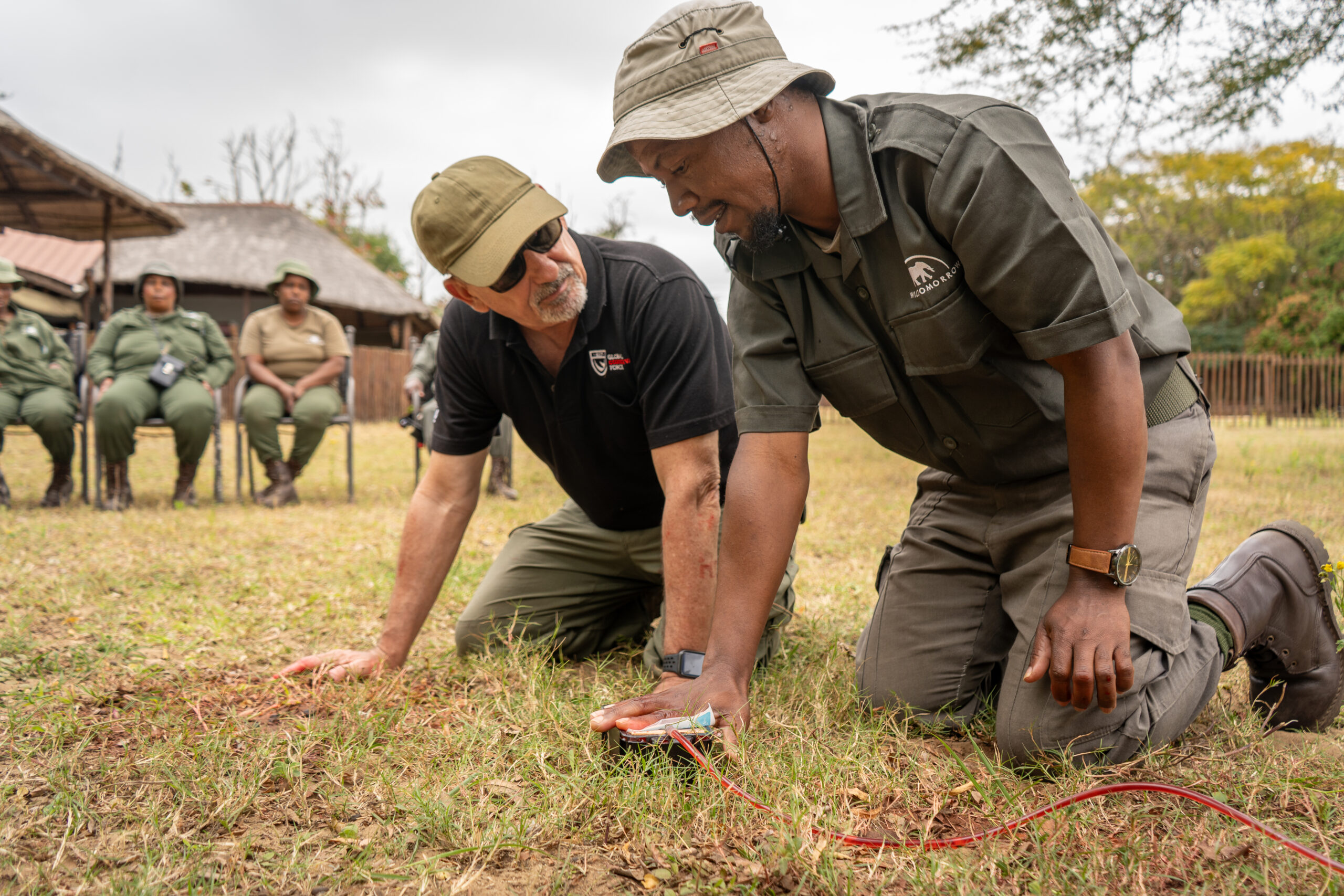
Since 2020, Global Conservation Force has worked to build and deliver practical K9 First Aid and Tactical Emergency Casualty Care training specifically designed for conservation, ranger, and operational working dog teams operating in some of the world’s most remote and demanding environments.
Now, GCF is proud to announce the expansion of this program into a new virtual learning platform — helping us reach more conservation K9 handlers and frontline units around the world in desperate need of this life-saving training.
For years, one of the greatest limitations to expanding this program has simply been access. Many of the teams we support operate in remote regions with limited funding, limited veterinary support, and extremely difficult logistics. While hands-on practical training remains essential, physically reaching every team requesting support is not always possible.
To help bridge that gap, GCF has now developed a layered virtual learning system that allows handlers to begin building critical medical knowledge before arriving at the practical field phase.
The updated course now includes:
- Two structured virtual learning modules
- Expanded educational content for each medical topic
- Instructional training videos
- A detailed workbook
- A compact field pocket-guide for quick medical reference
- Live Q&A and recap sessions with a GCF K9 First Aid Medic Instructor
The virtual sessions are led by licensed and experienced veterinary professionals, including Registered Veterinary Technicians (RVTs) and veterinary nurses with operational experience supporting working dogs in field environments.
This approach allows handlers to arrive at the practical phase with a stronger educational foundation, creating more efficient and focused in-person training while also improving long-term retention and continued learning after the course is complete.
The program itself was developed through years of combined operational experience between GCF K9 handlers, conservation field personnel, ranger teams, and veterinary professionals working directly alongside conservation dogs in real-world environments. The advanced practical side of the course has continued evolving since GCF first formally began teaching the program in South Africa in 2020.
Already, the expanded virtual platform is helping support teams internationally.
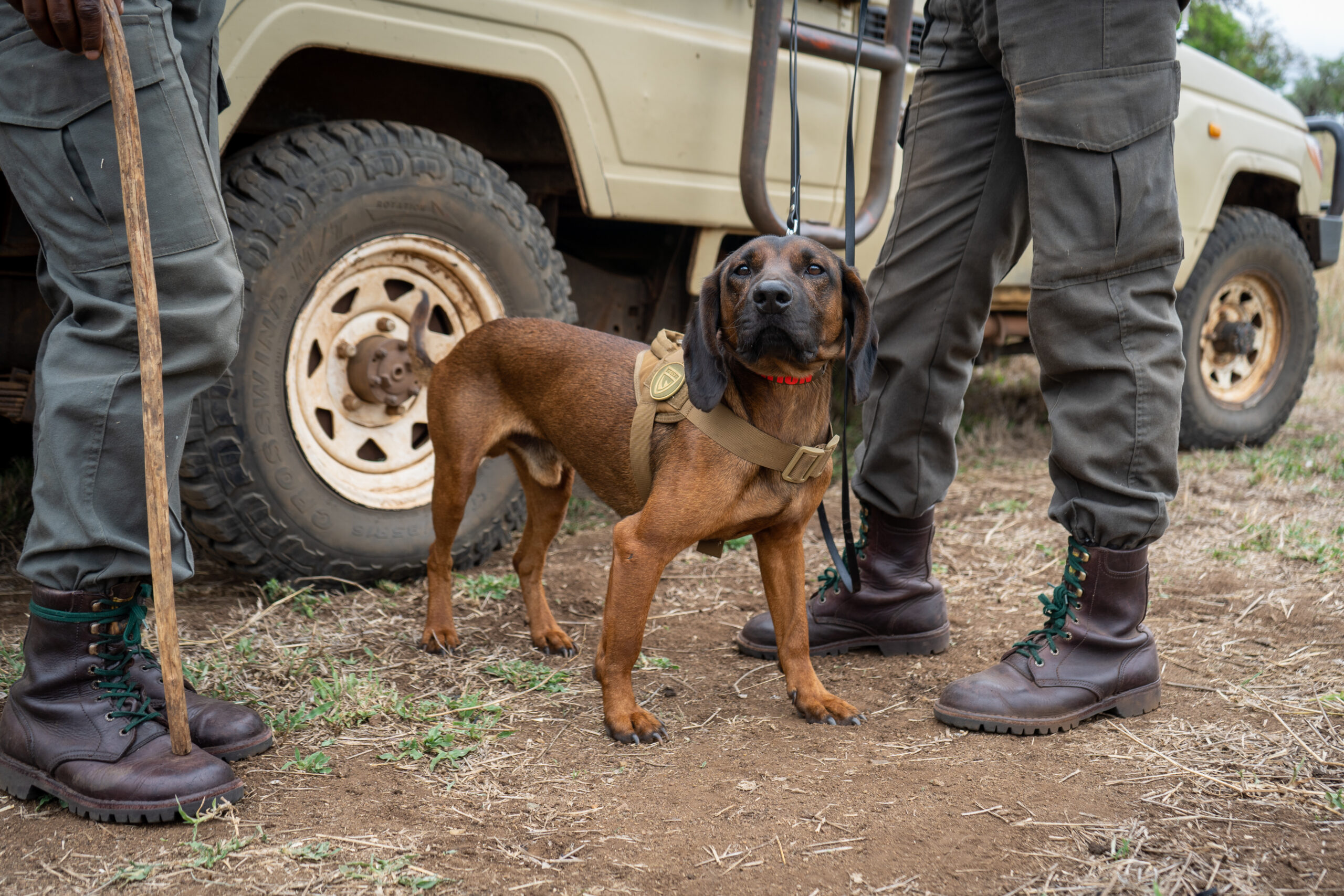
Handlers at GCF partners Creative Conservation Alliance have now received the course materials for GCF K9 Clive’s operational team. K9 Clive supports endangered species conservation efforts through detection work focused on critically threatened pangolins and tortoises in remote field environments where veterinary access can often be extremely limited. At the same time, GCF K9 Kesa’s handler has also completed the course while preparing for remote conservation and wildlife protection work throughout Central America.