Strengthening K9 Lifesaving Skills in the Eastern Cape
Global Conservation Force Hosts Annual K9 First Aid Training for Ranger Handlers
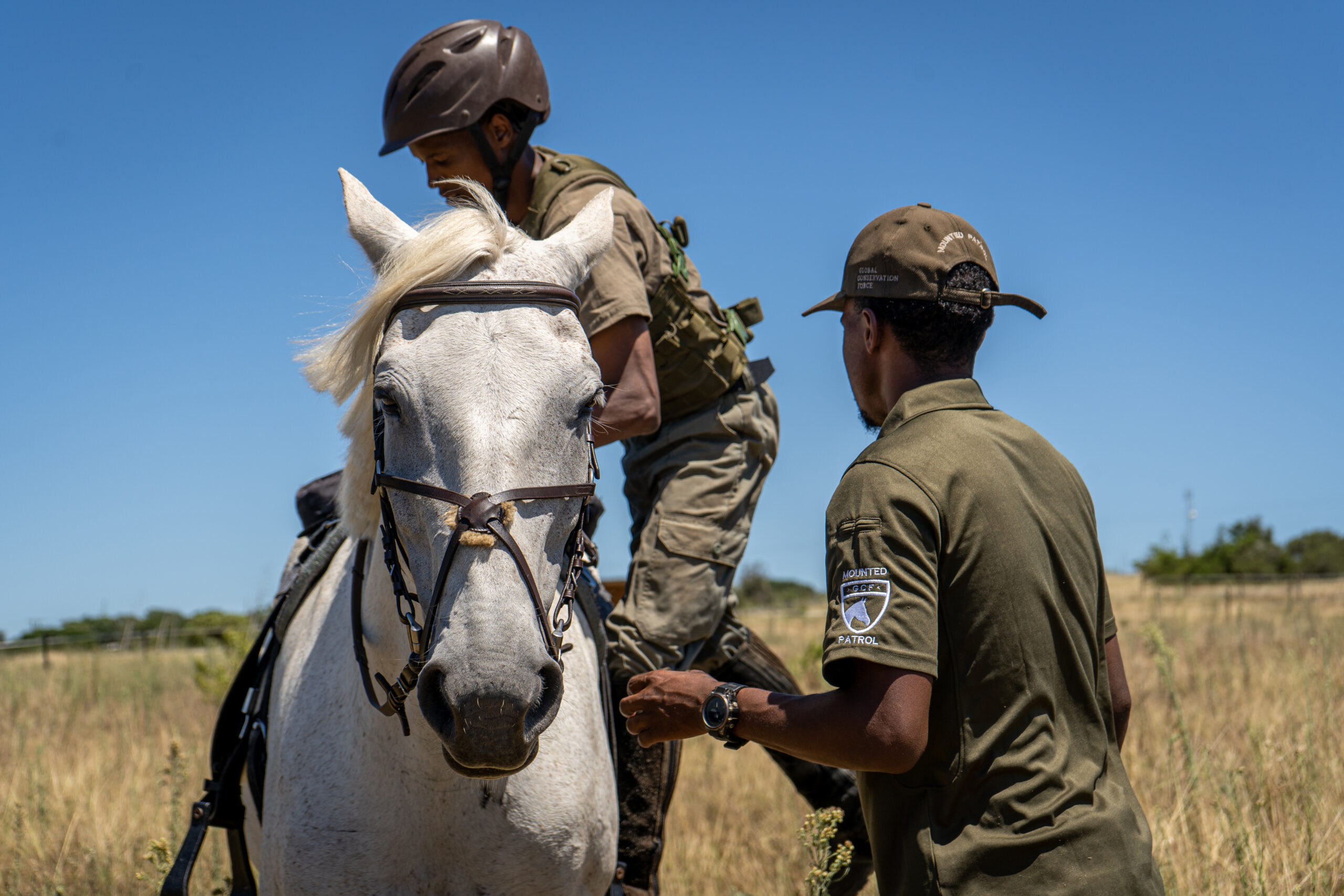
On March 24, 2026, Global Conservation Force (GCF) conducted its annual K9 First Aid training for ranger handlers across South Africa’s Eastern Cape. This critical program was delivered in partnership with the expert veterinary team from Ikhala Veterinary Hospital, including veterinarians and veterinary nurses who play an essential role in the ongoing health and survival of conservation working dogs.
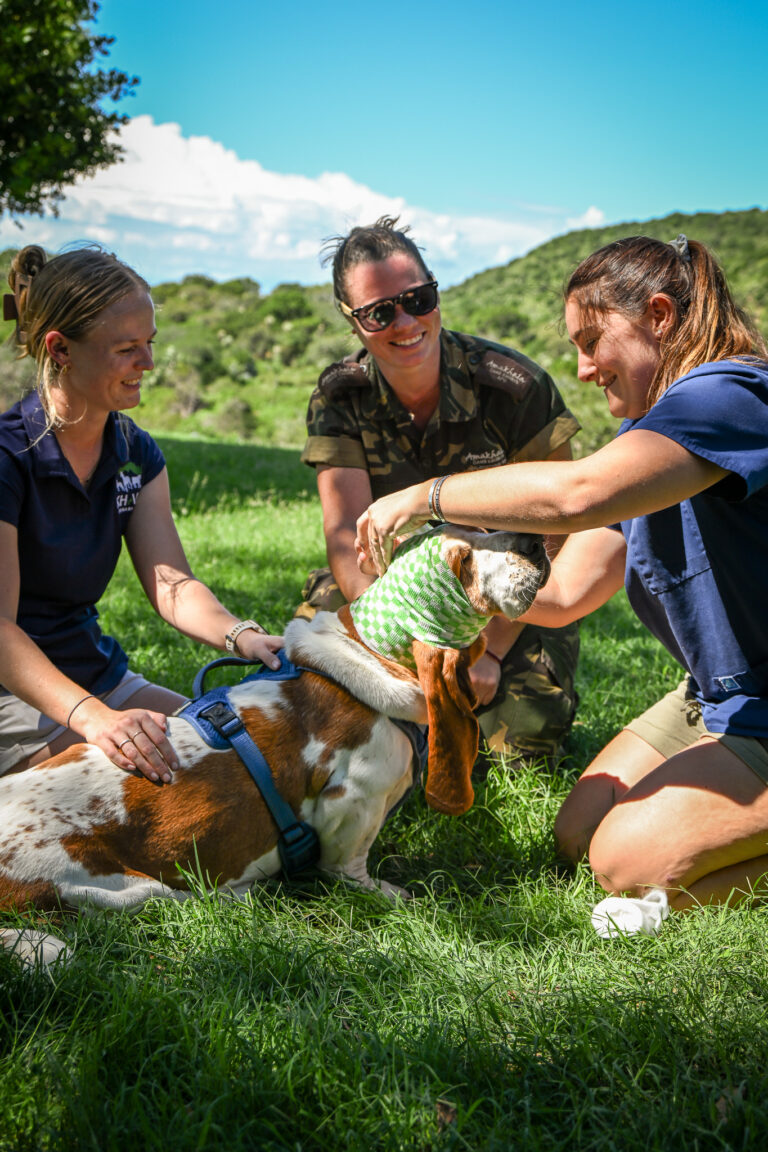
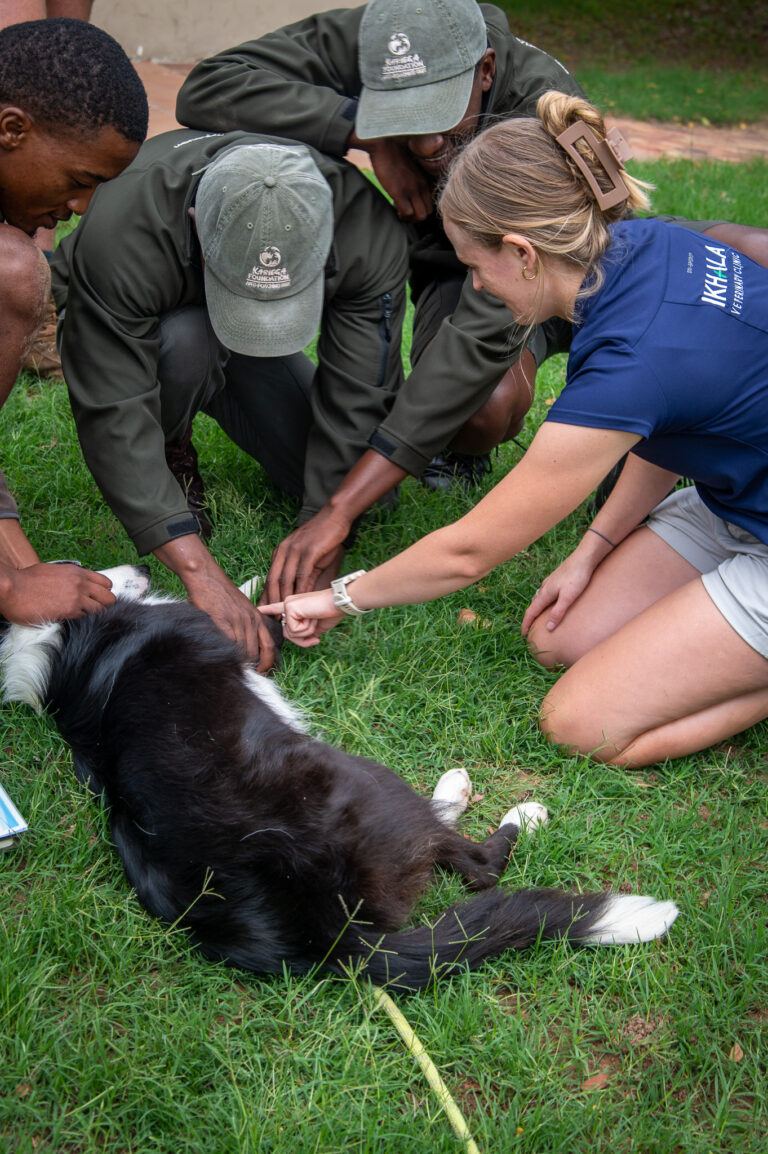
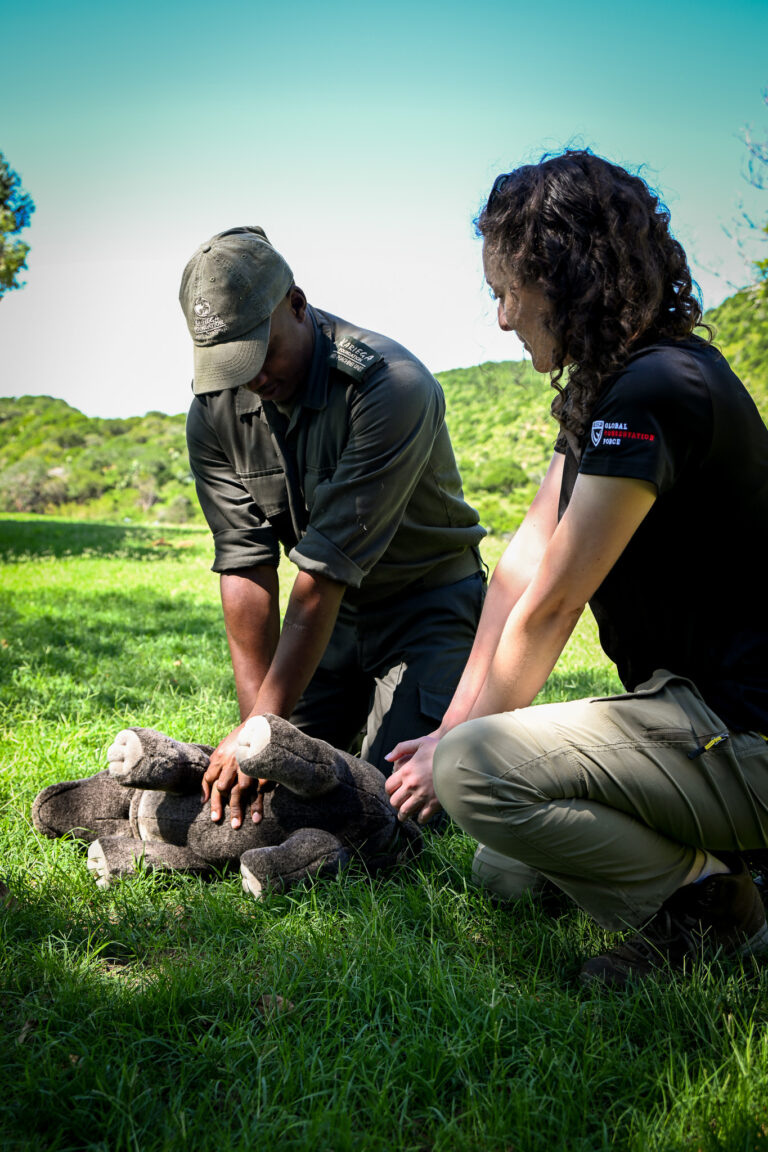
This specialized course focuses on the most common injuries, illnesses, and medical emergencies faced by K9s working in conservation environments across the region. Designed and taught directly by veterinary professionals with real-world field experience, the training ensures maximum impact while strengthening the connection between ranger handlers and the veterinary team most likely to treat their K9 partners in the event of an emergency.
Practical Skills That Save Lives
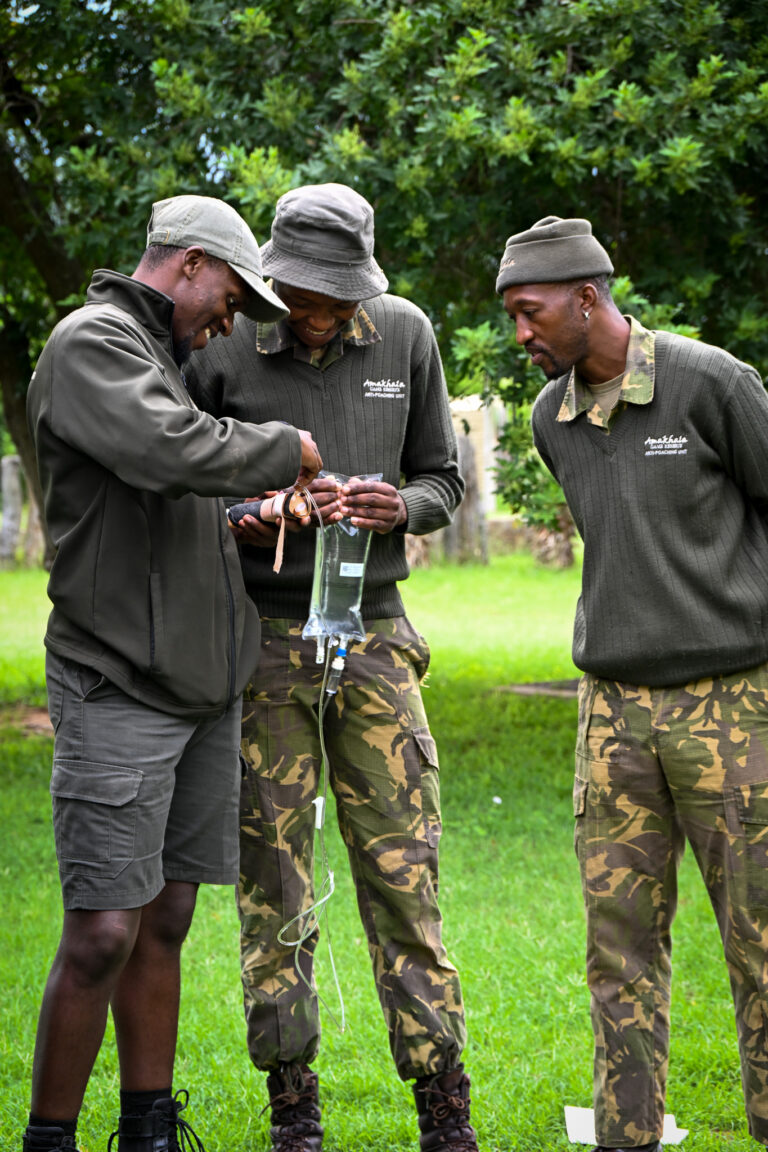
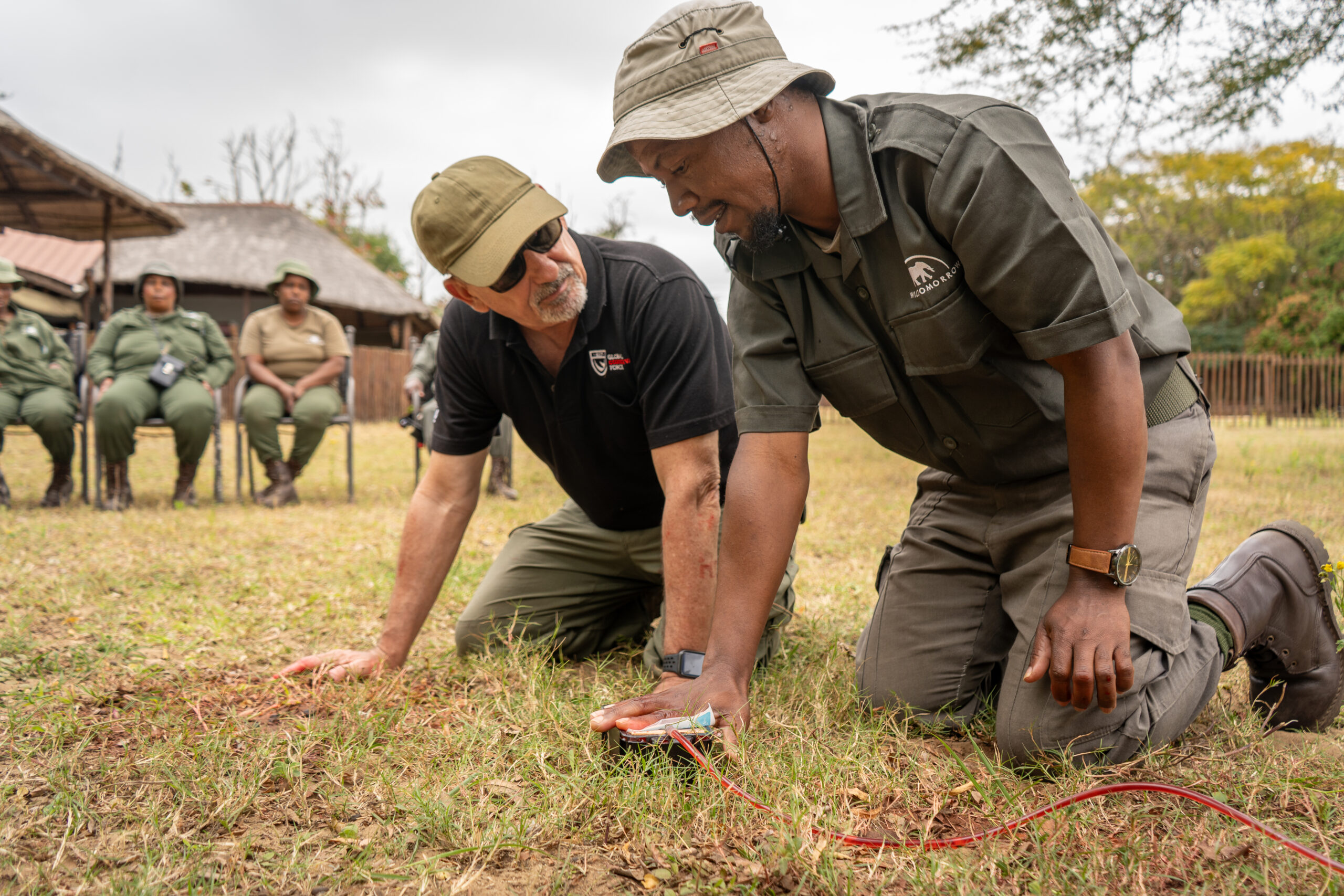
The training combines classroom-based theory with extensive hands-on practical sessions, concluding with a formal assessment to ensure every participant leaves confident and capable. Ranger handlers learn to quickly identify medical emergencies, provide immediate lifesaving care, and stabilize their K9 partners until professional veterinary care can be reached.
This year, nearly every team attending had already received fully equipped Field K9 First Aid Kits, purpose-built to support rapid medical response in remote conservation areas. Following completion of the training, the Shamwari Anti-Poaching Unit received their own fully built-out kit, further expanding their readiness in the field.
The 2026 course brought together 28 ranger handlers representing a wide network of conservation areas and anti-poaching teams, including:
Global Conservation Force
Kariega Game Reserve
Amakhala Game Reserve
Shamwari Private Game Reserve
Bucklands Private Game Reserve
Tanglewood Conservation Area
Lalibela Wildlife Reserve
Kwandwe Private Game Reserve
Addo Elephant National Park
Great Fish River Nature Reserve
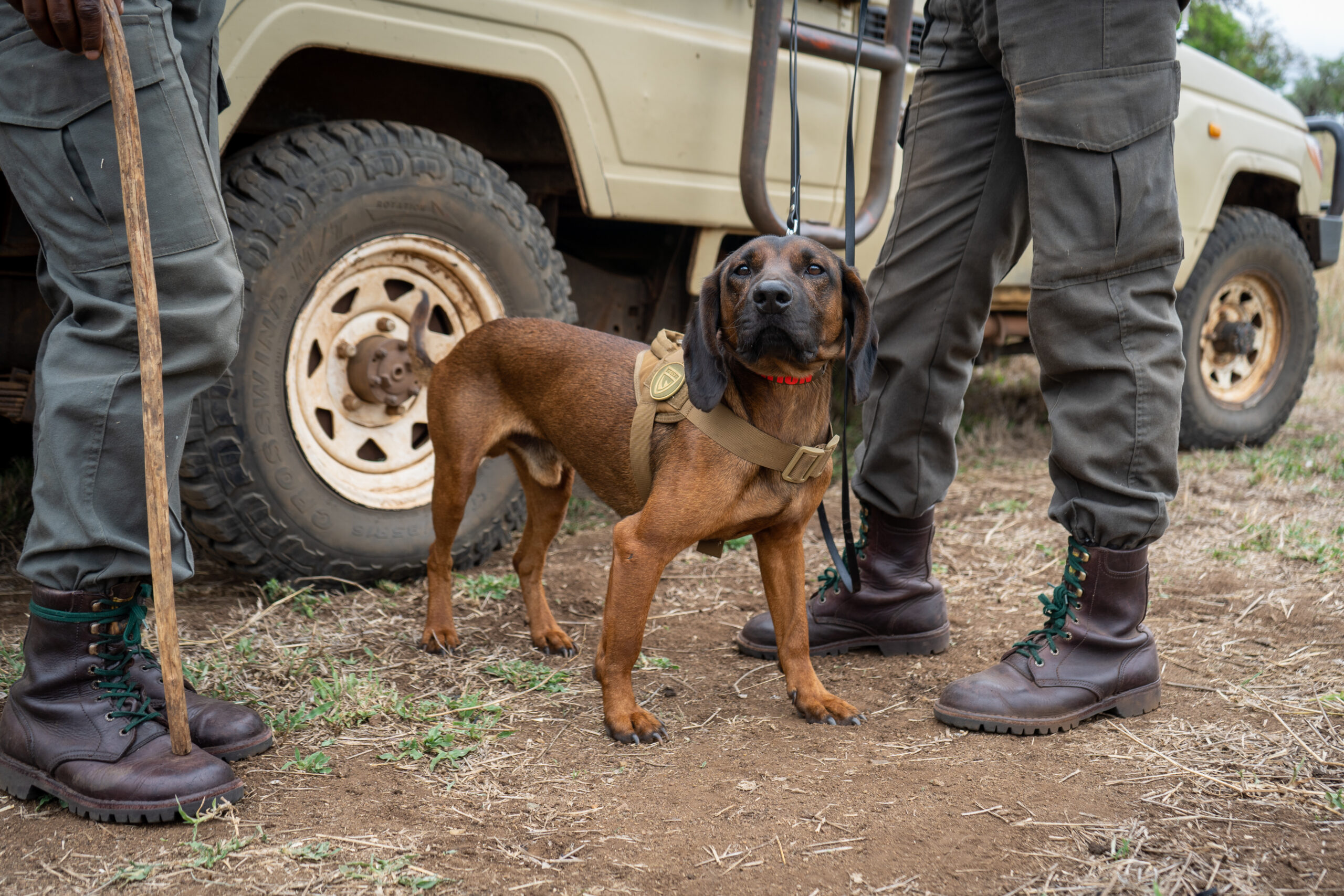
Each participating reserve operates multiple conservation K9s, meaning the training directly supports over 40 operational working dogs actively protecting wildlife in intensive rhino conservation habitats.
Protecting Biodiversity Beyond Rhinos
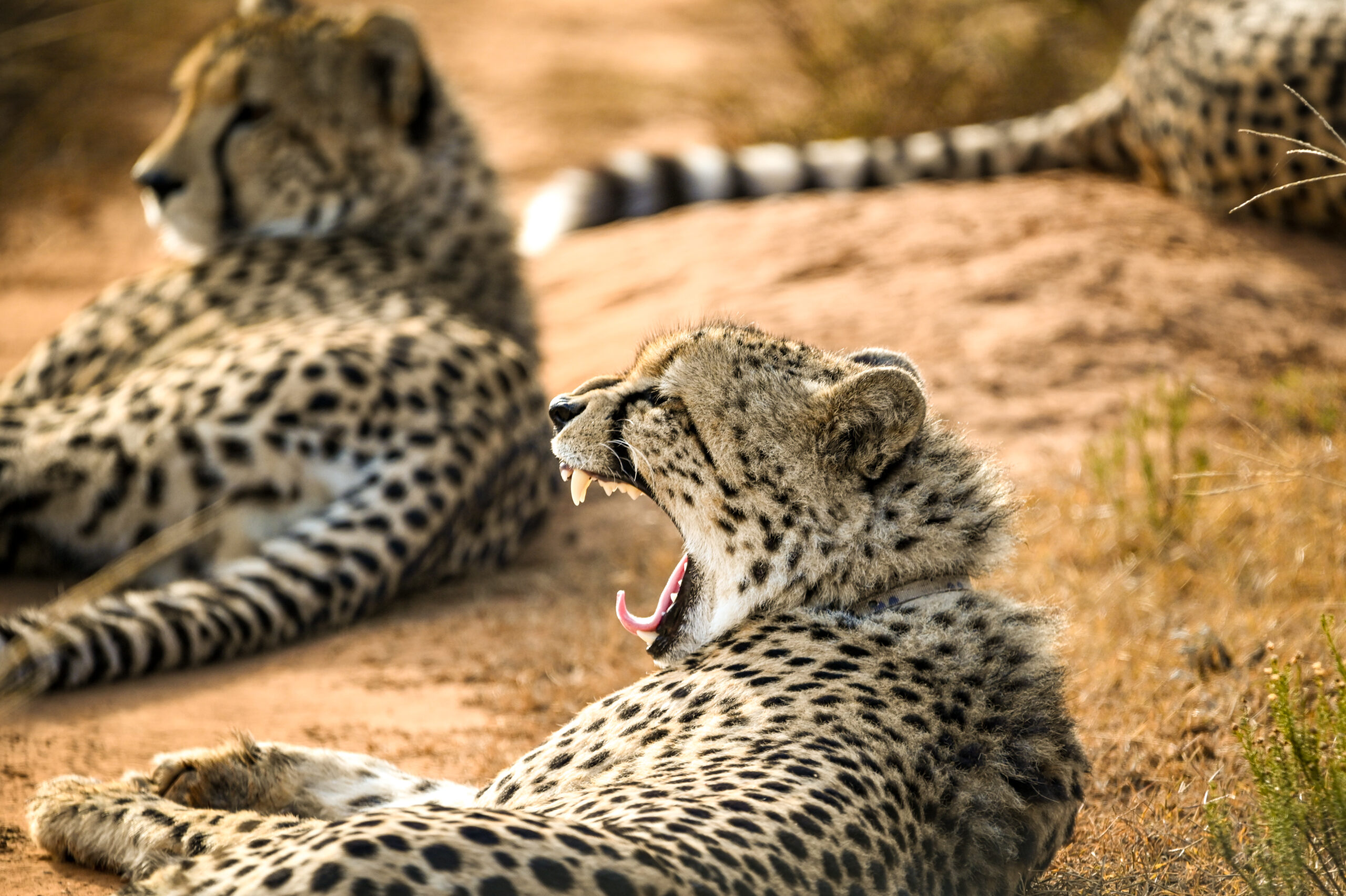
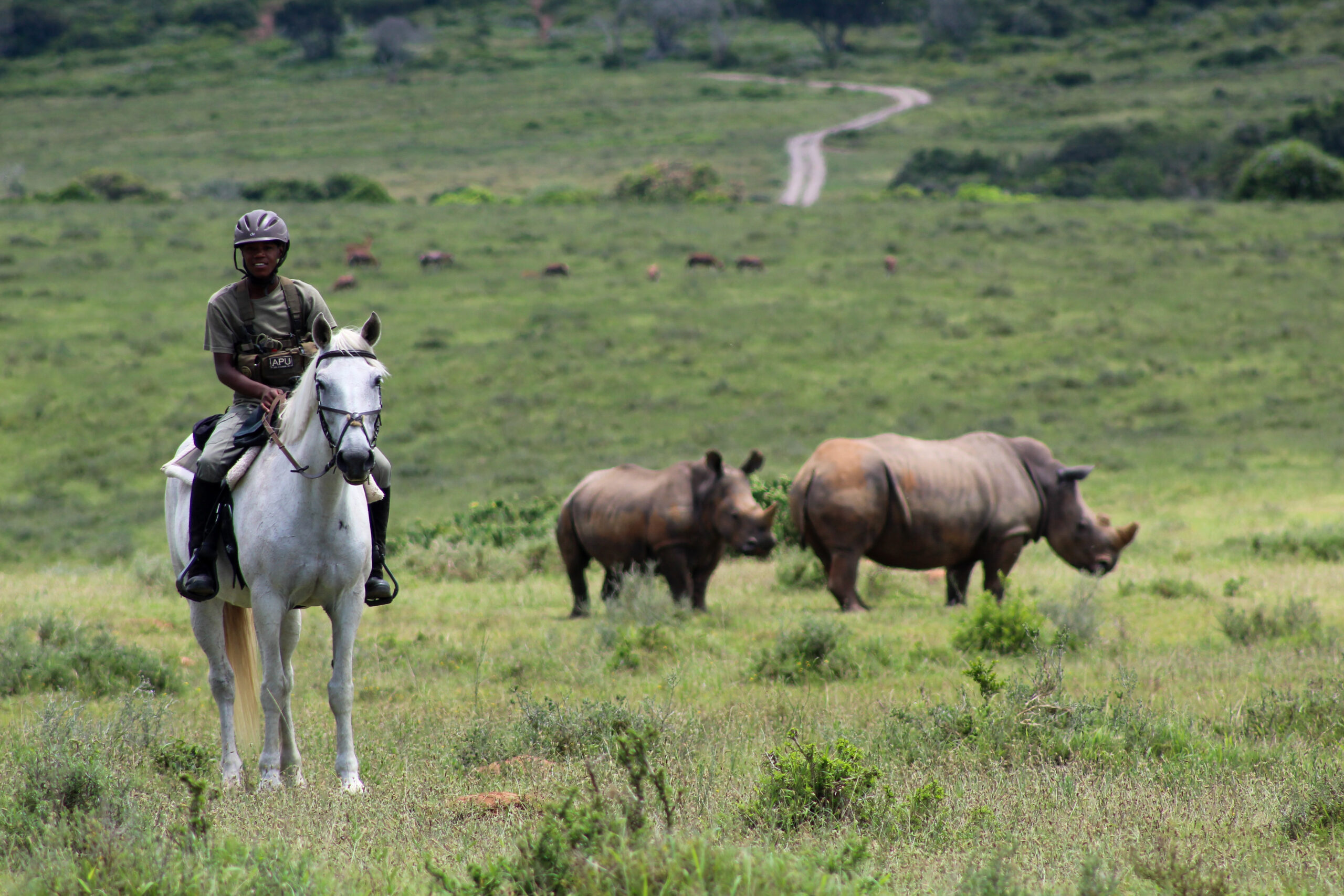
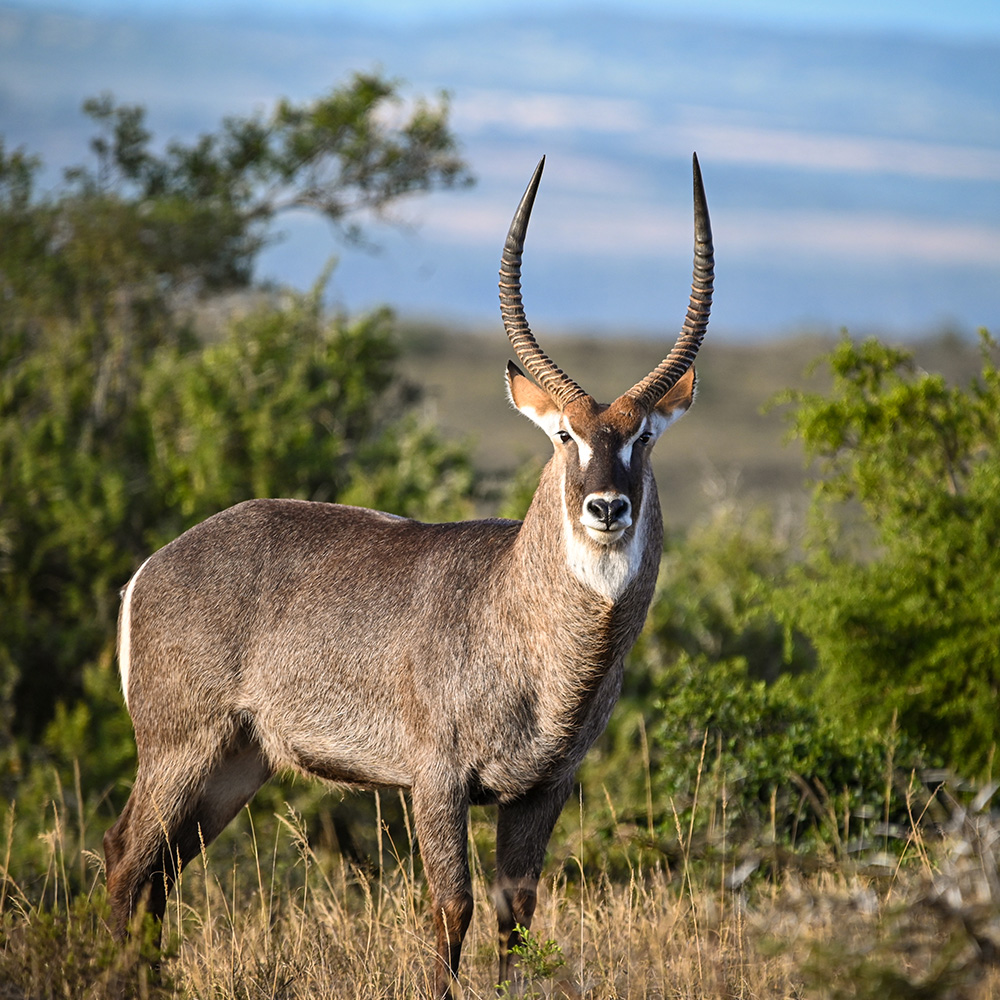
While rhino protection remains a primary mission, these ranger teams and K9 units safeguard far more than a single species. The landscapes they patrol are biodiversity hotspots supporting hundreds of species, including iconic wildlife such as cheetahs, elephants, giraffes, buffalo, and hippos. They also protect lesser-known but equally critical species, rare plants, insects, birds, and reptiles that form the backbone of healthy ecosystems.
By strengthening K9 medical readiness, this training ensures that conservation teams can continue their work with confidence, knowing they are equipped to protect not only wildlife but also the dogs that serve beside them.
Proven Impact in the Field
Programs like this are not theoretical, they save lives. In past years, the knowledge gained through GCF K9 First Aid training has resulted in direct lifesaving interventions, allowing handlers to stabilize injured K9s in the field and provide critical first-response treatment before reaching veterinary care.
These outcomes highlight the real-world importance of preparedness, teamwork, and access to the right tools when operating in remote and high-risk environments.
Building Safer Futures for K9s and Rangers
Empowering ranger handlers with advanced medical skills strengthens the safety, resilience, and effectiveness of conservation teams across the Eastern Cape. As threats to wildlife continue to evolve, ensuring the wellbeing of working K9s remains a vital component of successful anti-poaching and wildlife protection operations.
Through continued partnerships, professional veterinary training, and hands-on field readiness, Global Conservation Force remains committed to protecting the protectors, both human and canine, who stand on the front lines of wildlife conservation.