World Pangolin Day 2026 – How You Can Help Save the Most Trafficked Mammal on Earth

World Pangolin Day 2026 - How You Can Help Save the Most Trafficked Mammal on Earth

World Pangolin Day is celebrated annually on the third Saturday in February – this year on February 21, 2026. It’s a global moment to raise awareness about pangolins, the world’s most trafficked mammals, and to unite conservationists, educators, volunteers, professionals, travelers, and concerned citizens in meaningful action.

At Global Conservation Force (GCF), we believe conservation is most effective when everyone has a role to play. From education and reporting to training, field work, and supporting community-based conservation, there are many pathways to make a difference.

Here’s how you can help protect pangolins and support wildlife conservation that spans Africa and Asia.

1. Start With Education: Understand the Crisis

Knowledge is power and when it comes to pangolins, it’s the foundation of meaningful change. GCF offers educational programs that help people of all ages learn:

  • why pangolins are heavily trafficked

  • how habitat loss and illegal trade threaten their survival

  • what ethical wildlife encounters look like

  • how to report sightings or suspicious activity responsibly

These programs build awareness and create informed advocates for wildlife. Whether you’re a student, teacher, or lifelong learner, education is a strong first step.

This year Global Conservation Force (GCF) is proudly teaming up with Pangolin.Africa to help expand public engagement, education, and awareness for pangolin conservation, empowering even more people to take action.


The Simple Path to Guardianship


Becoming a Pangolin Guardian is both simple and FREE. All you need to do is complete our quick, 15-minute online course.

The course is divided into two essential parts:

  • Part One provides everything you need to know about pangolins as a species.

  • Part Two offers sensible advice on what steps to take if you are fortunate enough to see one in the wild.

2. Report Sightings & Illegal Activity - Safely and Ethically

Accurate data is crucial.


GCF works with partners across Southern Africa to strengthen trusted reporting channels so pangolins, especially those in danger, can receive proper, timely intervention.


This includes building population maps, guiding law-enforcement collaboration, and helping initiate rescue operations when necessary.


If you see or hear about pangolins in distress, trafficking advertisements, or illegal activity, please report it to the most trusted source available from the options provided. Your report could lead to immediate action.


Reporting a Pangolin Sighting or a Pangolin in Peril – For Reporting In South Africa “Pangolert” by Pangolin.Africa

  • Save the number: +27 72 726 4654

  • Report securely: Your message goes to one trusted coordinator, it’s not a group chat.

  • Share details: Send the location and any photos. Additional data is stored automatically.

  • No signal? The message will send when coverage returns.

    For Reporting Pangolin in Peril, Sales, or Potential or Known Trafficking Activity in Asia or Other Parts of Africa we recommend WildLeaks

3. Support Counter–Wildlife Trafficking & Anti-Poaching K9 Teams

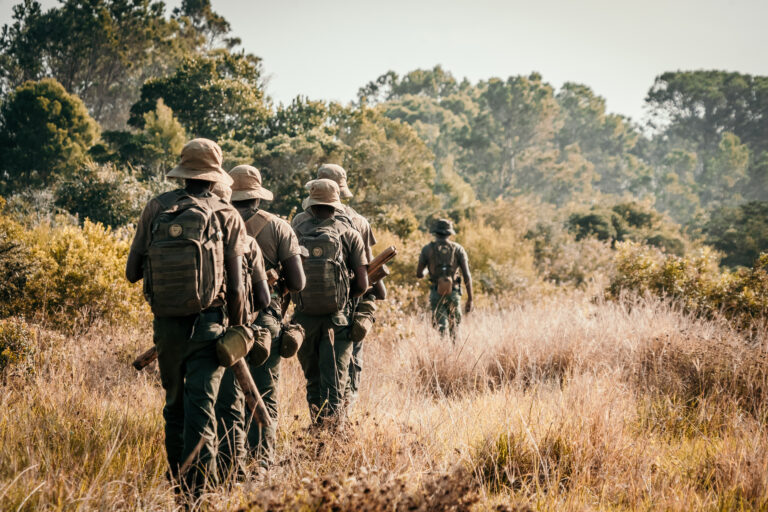
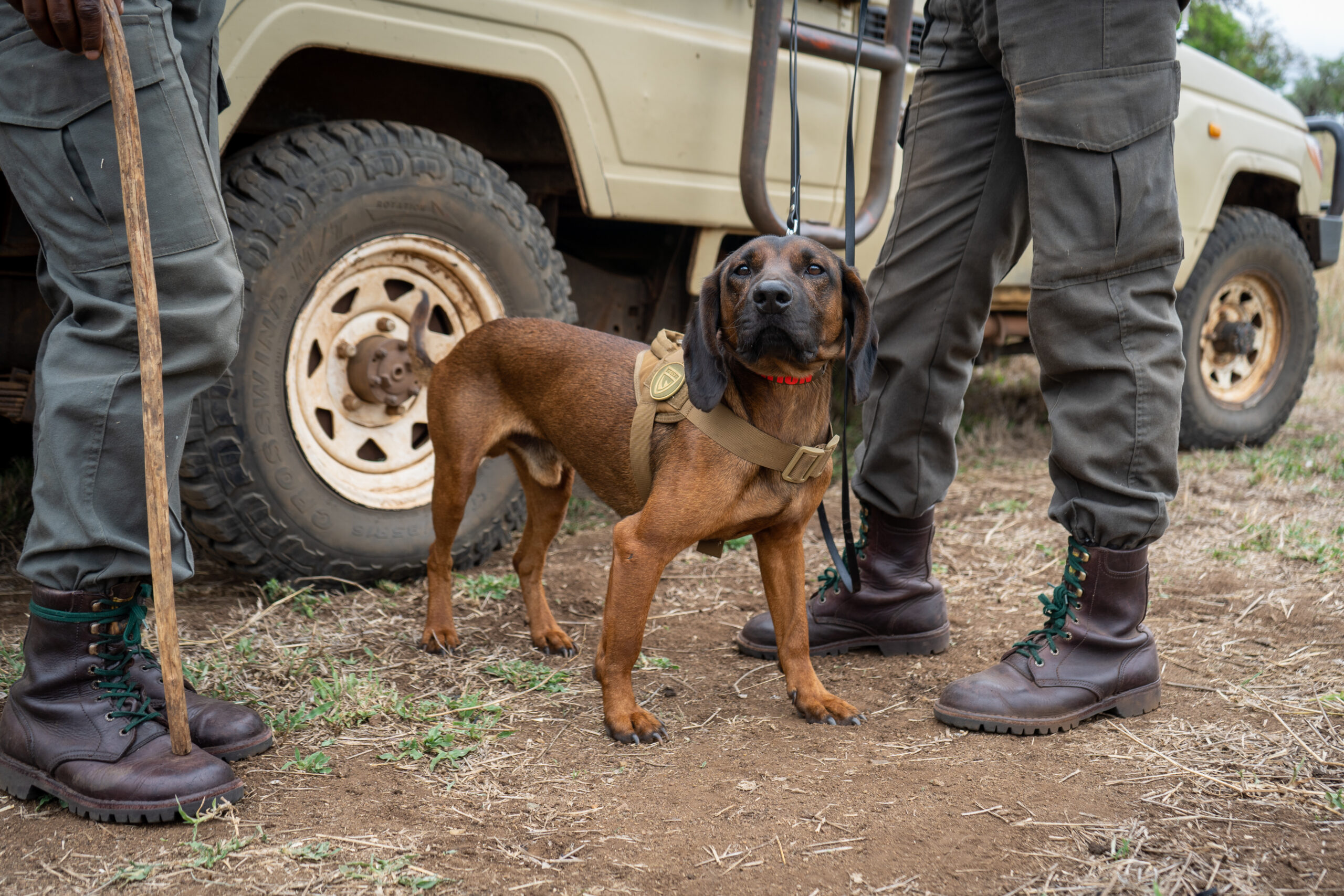
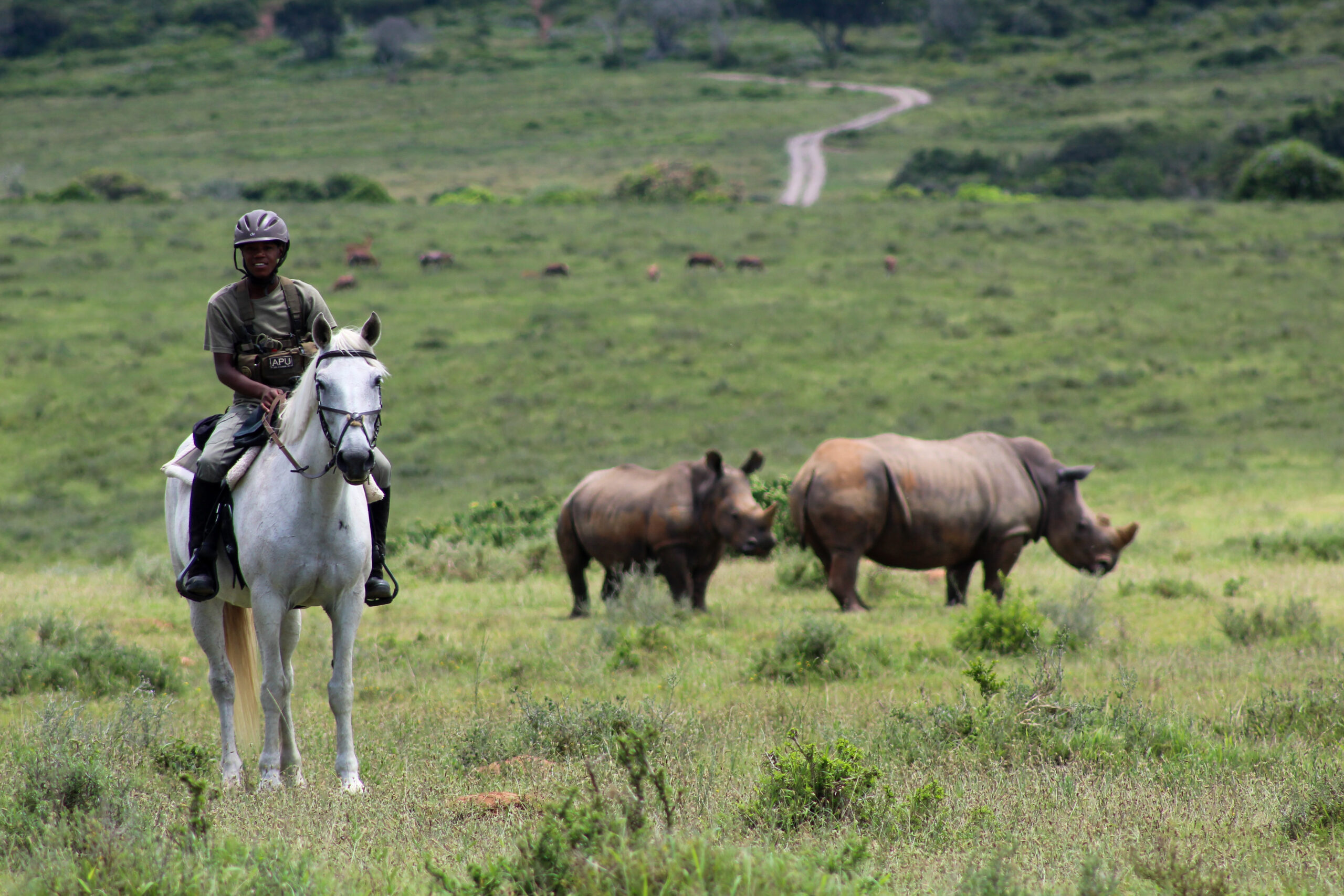
GCF operates and supports specialized K9 and ranger units across Africa and Asia that help:

  • detect illegal wildlife products

  • track poachers

  • secure protected areas

  • support investigations

These teams directly safeguard pangolins and countless other threatened species.

4. Volunteer & Give Your Time

You don’t need to be in the field to make a difference.

Volunteers help with:

  • outreach and education

  • events

  • awareness campaigns

  • conservation communications

Every hour of support amplifies impact.

5. Take an Ethical Ecotour

Responsible travel creates real conservation value.

Ethical ecotours:

  • support local communities

  • reduce pressure on wildlife

  • reinforce legal protection for habitats

  • fund conservation programs directly

Your trip can help protect the species you came to see.

6. Train Professionally & Join the Mission

For those who want to go deeper, GCF offers pathways into professional conservation:


Wildlife Rehabilitation Courses


Learn ethical stabilization, care, and release practices.


Wildlife Handling & Chemical Immobilization


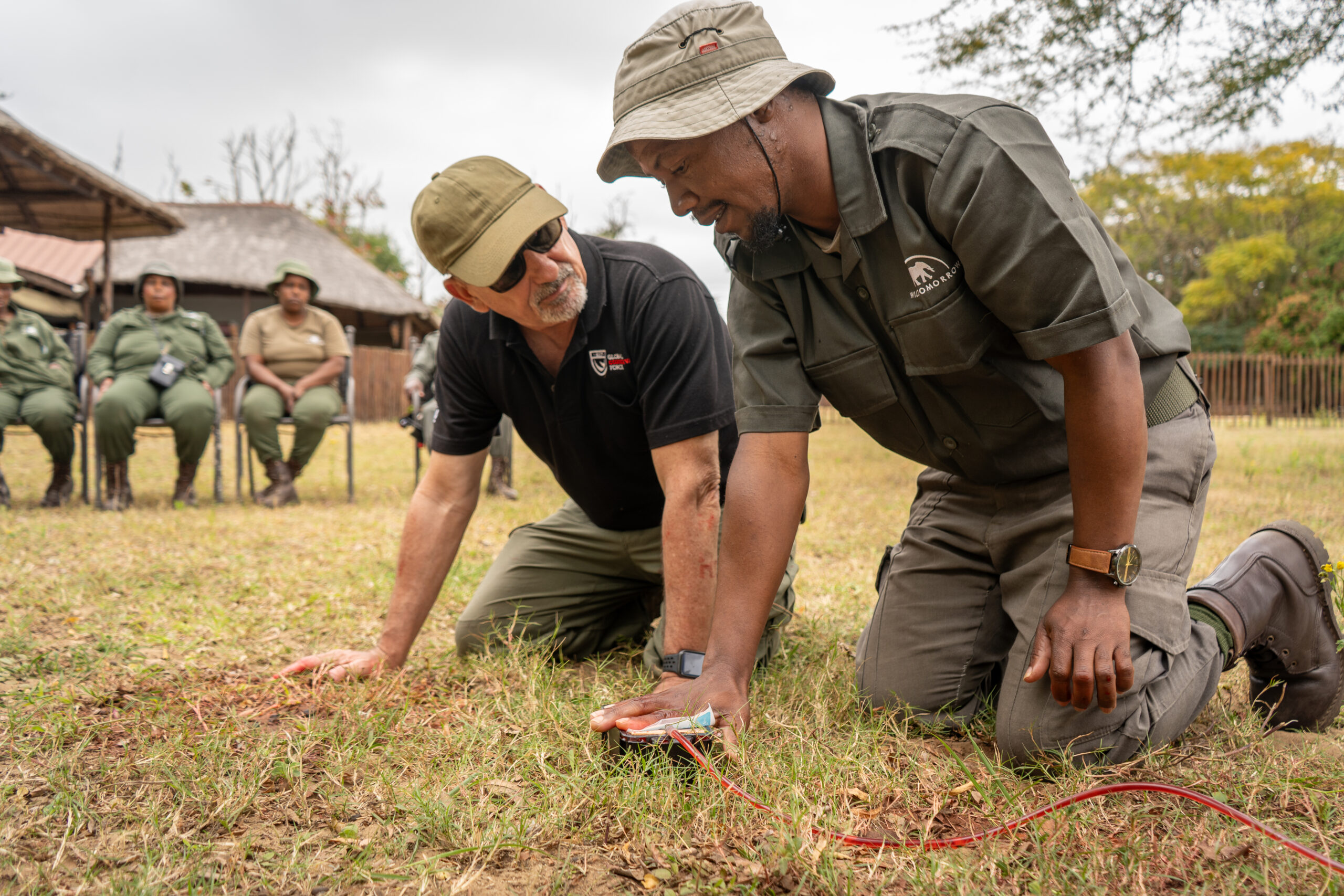
Hands-on, veterinarian-guided capture and darting training for qualified professionals.


Ranger Training & Field Programs


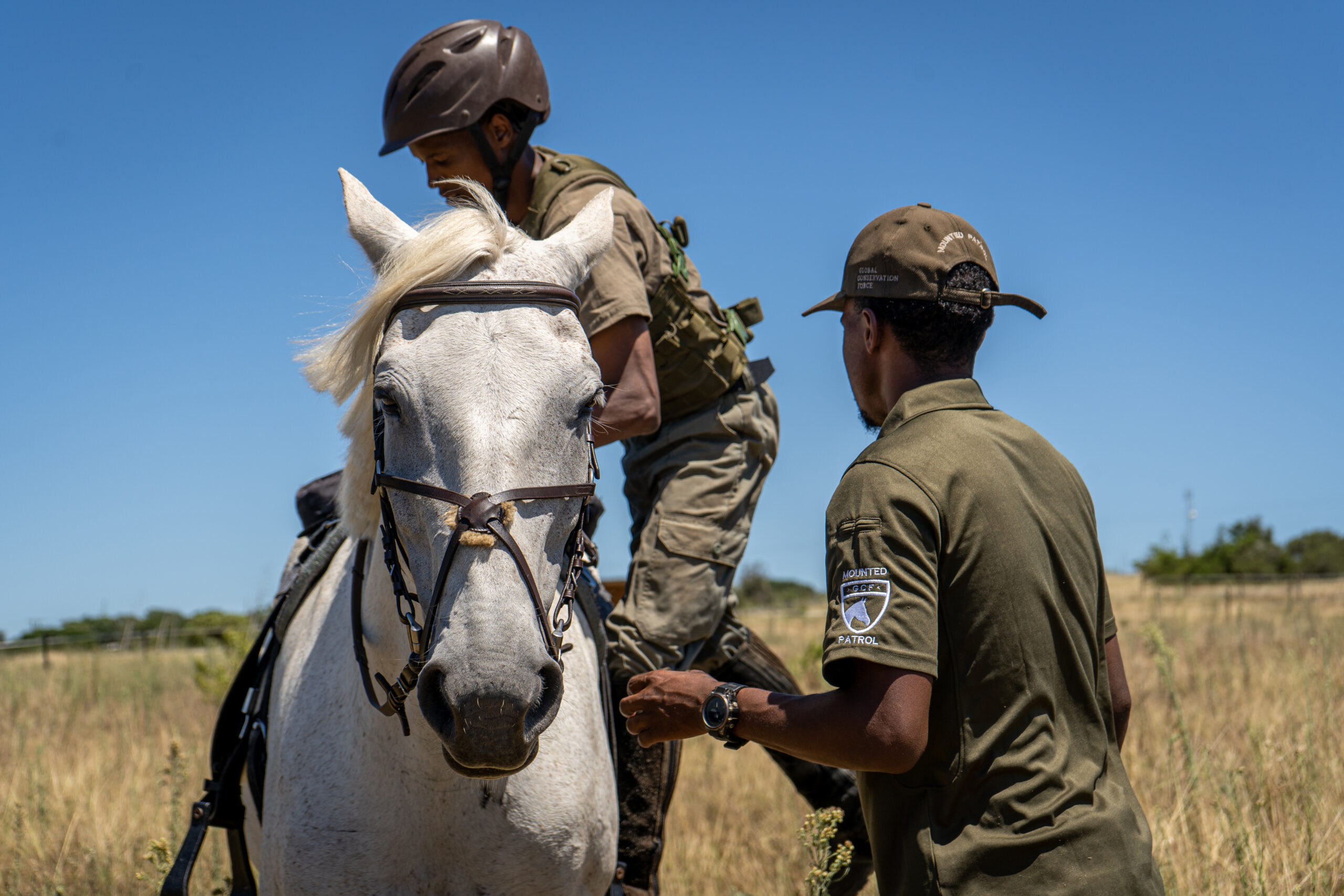
Fitness, fieldcraft, ethics, tracking, and law-enforcement support skills.


These programs help build skilled, responsible wildlife protectors.

7. Adopt, Shop, or Become a Donor - Direct Support for Pangolin Protection

You can also make a difference through direct program support:


Adopt a Pangolin (Symbolically)

Adoptions help fund pangolin protection, monitoring, rescues, and care.


Shop GCF Pangolin Merchandise

Proceeds support conservation programs while spreading awareness everywhere you go.


Become a Donor


Your support powers GCF’s pangolin initiatives, including:

  • ranger deployments

  • counter-trafficking support

  • anti-poaching patrols

  • K9 protection programs

  • conservation research partnerships

  • community education and outreach across Africa and Asia

This support reaches multiple levels of conservation and impact, helping wildlife, rangers, and local communities.

Stay Connected: Check Our Events Page

World Pangolin Day isn’t just a date, it’s a celebration and a rally point.

We have several exciting events lined up, including:

  • podcast features and live conversations

  • online auctions supporting pangolin conservation

  • talks around a special Pokémon card–themed conservation event (stay tuned!)

Visit our Events page regularly to see what’s coming up and how you can join, participate, and spread the word.

Whether you tune in, bid, share, or attend, your participation helps fuel pangolin protection efforts.

Conservation Is a Team Effort - And You’re Part of It

Protecting pangolins isn’t about one tool or one organization. It’s about:

  • informed public awareness

  • trusted reporting systems

  • trained rangers and conservationists

  • responsible tourism

  • sustained funding and resources

Whether you learn, report, volunteer, train, travel ethically, adopt, shop, or donate, you help keep pangolins in the wild where they belong.


Celebrate World Pangolin Day 2026 with us and stay involved all year long.Â