



For nearly a decade, Global Conservation Force (GCF) has worked to bring wildlife conservation education to young people across communities in and around Hanoi, Vietnam. Through engaging lessons, volunteer-led instruction, and partnerships with local educators and students, these programs have reached thousands of young people, helping build awareness of endangered wildlife and the challenges facing species around the world.
What began as an opportunity to introduce students to wildlife conservation has grown into something much greater: a long-standing educational initiative where former students are now returning to help teach the next generation.
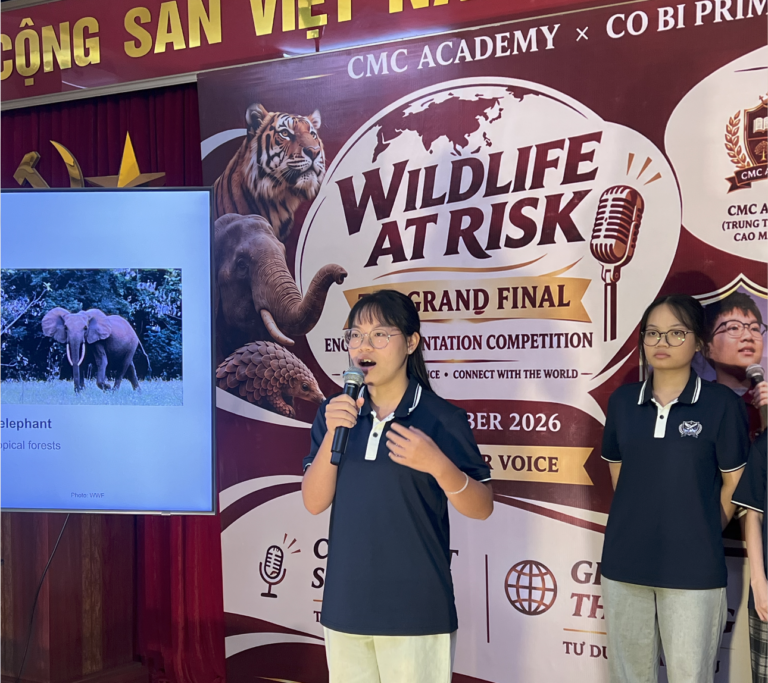
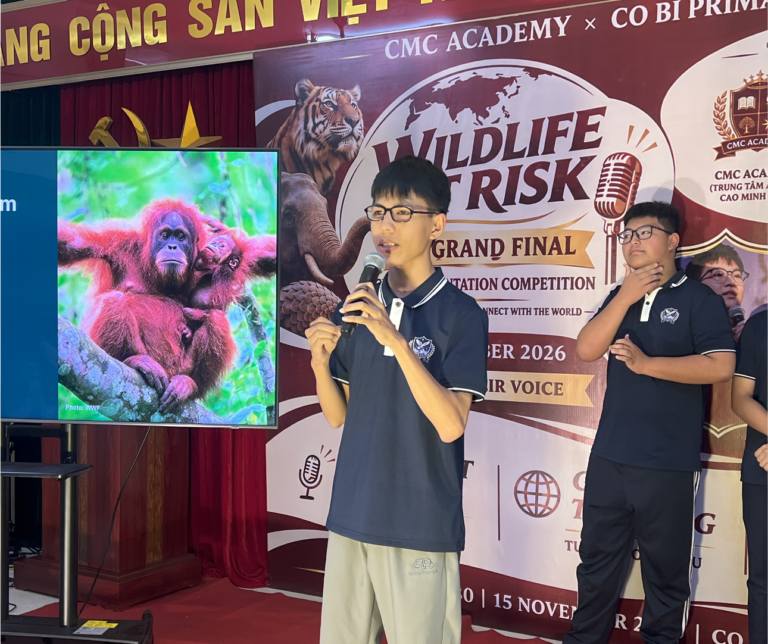
Over the years, GCF’s conservation education efforts in Vietnam have continued to evolve, adapting lessons and activities to engage students in meaningful discussions about wildlife and the natural world. The program’s earlier Wild Warriors series helped establish a foundation for conservation learning, eventually evolving into the current Wildlife at Risk series. Wildlife at Risk combines English-language learning opportunities with conservation education, giving students the chance to voluntarily participate in lessons exploring endangered wildlife, animal biology, conservation challenges, and the importance of protecting threatened species. By focusing on individual species and their conservation needs, students gain a deeper understanding of the animals themselves, the threats they face, and the role people can play in protecting them.
One of the most meaningful aspects of this program has been its emphasis on local participation and volunteer leadership. From its early development, the initiative partnered with volunteer college students from local communities who stepped forward to serve as instructors. These volunteers helped bring conservation lessons into educational settings while gaining valuable experience in teaching, communication, and community engagement.
Over time, this approach developed into a lasting teach-the-teachers model, empowering local volunteers to become conservation educators and share their knowledge with new groups of students.
Today, the program continues to operate, and some of its former students have returned as volunteer teachers themselves. This progression represents an important milestone for GCF’s education efforts. Students who were once introduced to conservation concepts through the program are now helping deliver those same messages to younger generations. It is a powerful example of how long-term education and community involvement can create opportunities for continued conservation leadership.
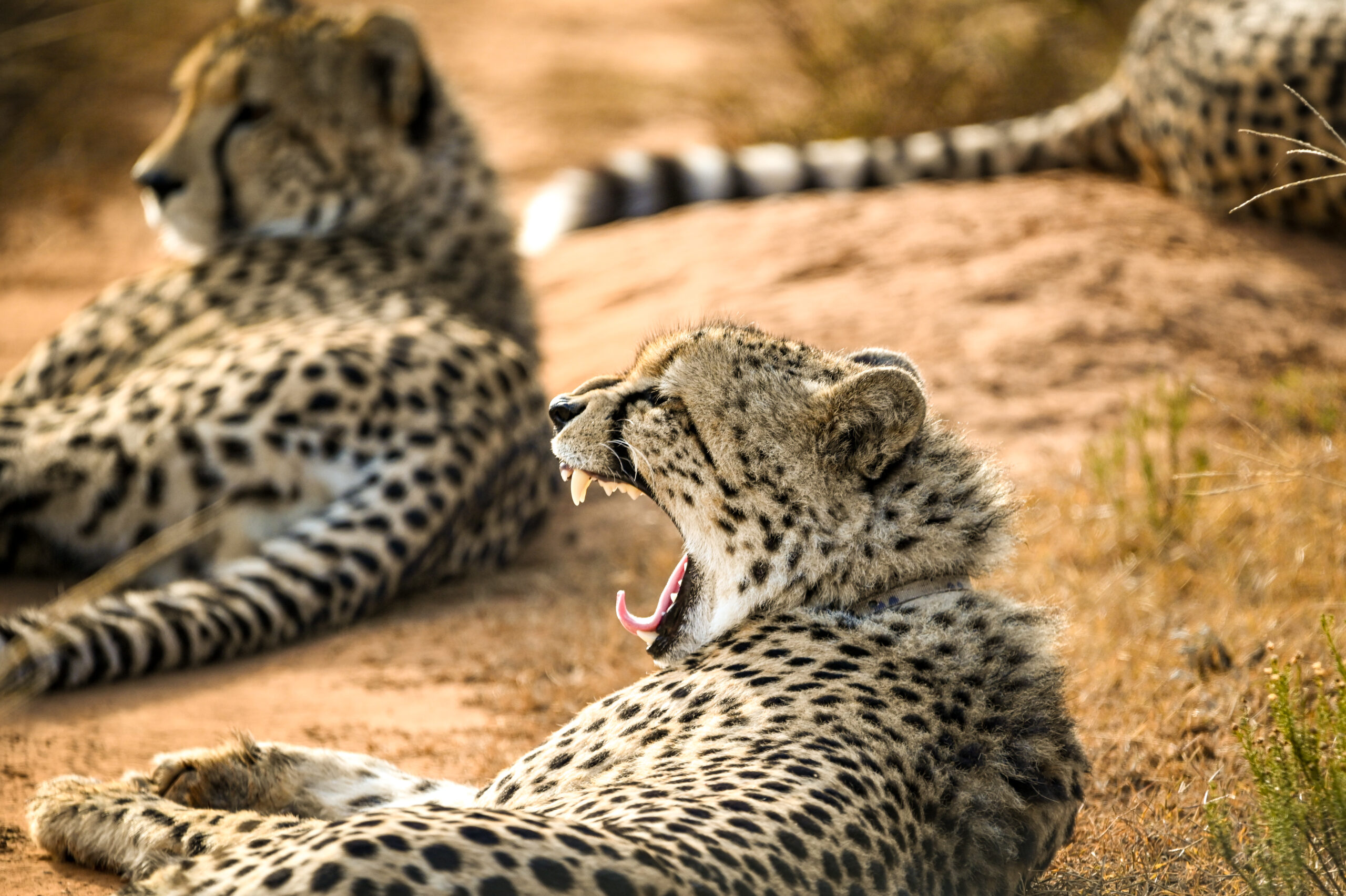
Vietnam has long been recognized as an important consumer and transit market within international illegal wildlife trade networks. Demand for certain wildlife products has contributed to conservation pressures on threatened species, including animals originating from countries across Africa and Asia. Many of these source countries are also locations where Global Conservation Force works directly with conservation partners, wildlife rangers, veterinary teams, and anti-poaching units.
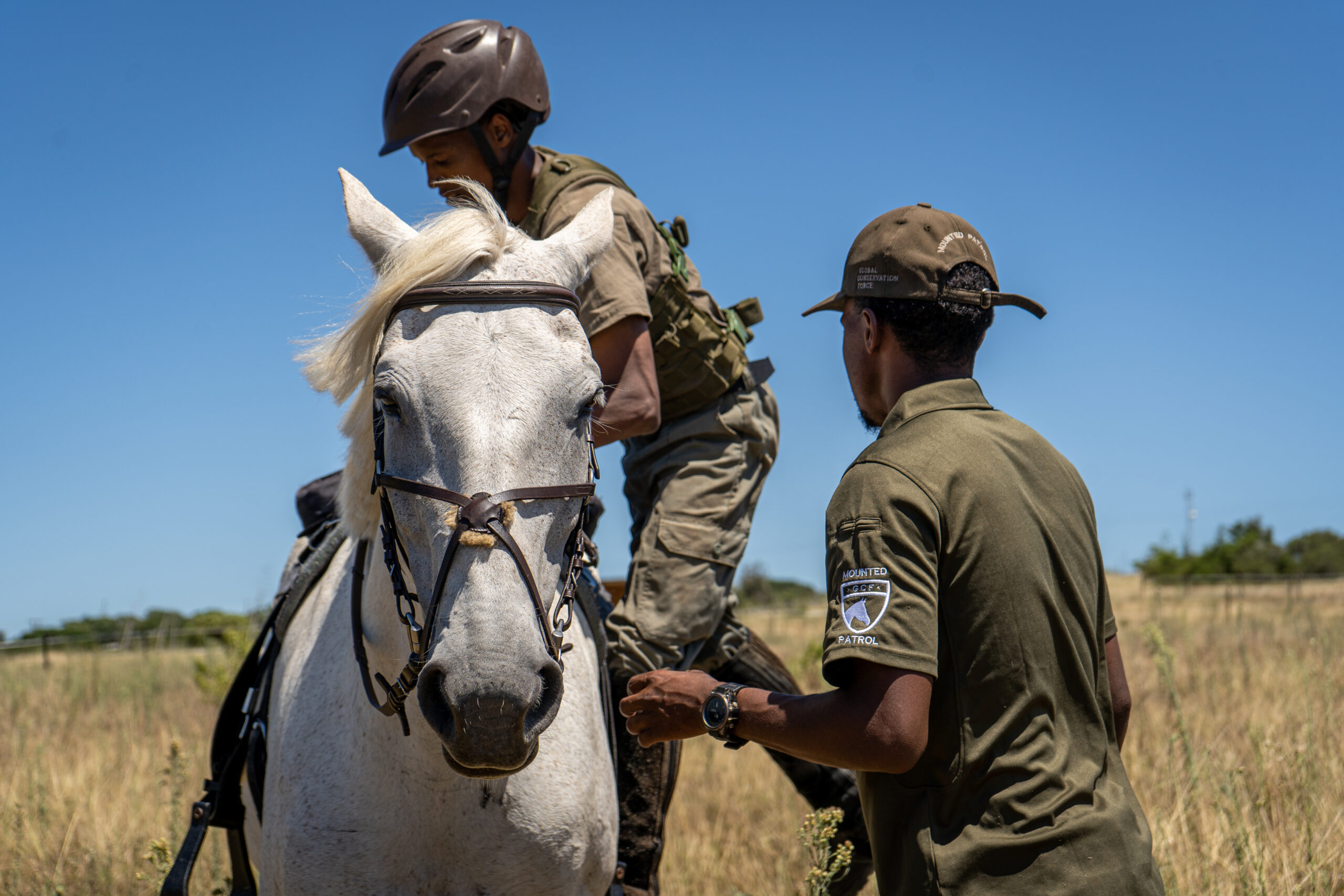
While GCF’s field programs help protect wildlife through ranger training, anti-poaching support, veterinary initiatives, and counter-wildlife-trafficking efforts, education addresses another important part of the conservation challenge: awareness, understanding, and attitudes toward wildlife. By engaging young people in Vietnam, GCF’s education initiatives help connect the importance of protecting wildlife in its natural habitat with the decisions and perspectives of communities thousands of miles away.
Effective wildlife conservation requires both protecting animals where they live and encouraging greater awareness in communities connected to international wildlife trade.
Throughout nearly a decade of programming, GCF’s wildlife education initiatives have reached thousands of students across multiple communities in and around Hanoi. Beyond these participation numbers, the program’s longevity and continued volunteer involvement reflect the value of sustained educational partnerships.
The transition from student participation to volunteer instruction is particularly meaningful. It demonstrates how conservation education can extend beyond a single lesson or classroom experience, creating opportunities for participants to remain involved and contribute their own time and knowledge.
As Wildlife at Risk continues, GCF remains committed to supporting conservation education that is accessible, engaging, and rooted in local community participation.
Inspiring the Next Generation of Wildlife Protectors
Conservation is not accomplished through field operations alone. It also depends on education, collaboration, and the willingness of individuals to take an active interest in the future of wildlife. From the rangers protecting endangered species in Africa to the volunteer educators introducing students to those same animals in Vietnam, each effort contributes to a broader conservation mission.
The continued success of GCF’s education programs is a reminder that meaningful conservation work often begins with something simple: an opportunity to learn. And sometimes, the students who receive that opportunity become the very people who pass it on.
Global Conservation Force is dedicated to saving wildlife from extinction through education, anti-poaching, and conservation efforts.