


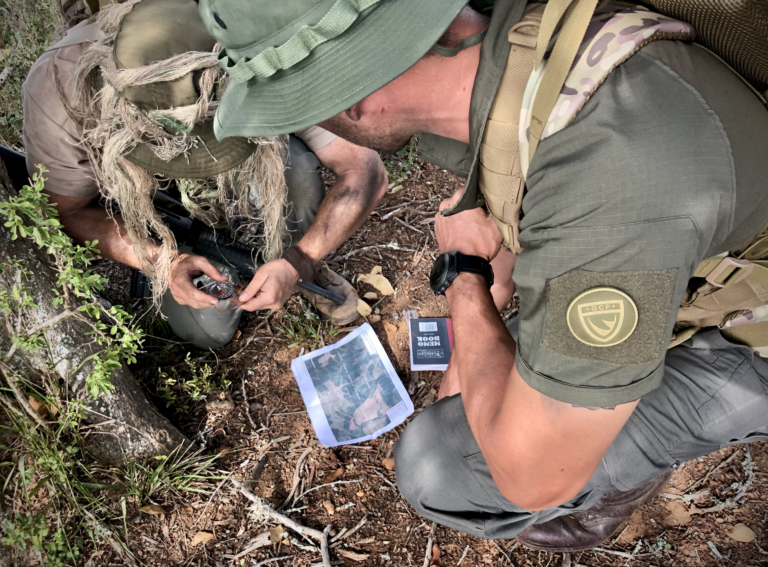
Global Conservation Force Brings Advanced Wildlife Protection Training Back to California
Global Conservation Force (GCF) is bringing advanced wildlife protection training back to the United States, with California selected as the operational setting for our Level 2 Wildlife Protection & Conservation Bootcamp. This return marks a significant step in strengthening conservation readiness training while providing a rare opportunity to operate across drastically different environments in one continuous field program.
Designed as the next step following Level 1 Introduction to Anti-Poaching training, this Level 2 course builds multi-environment readiness, standardizes operational skills, and prepares individuals for future conservation training opportunities across Africa, Asia, Central America, and North America.This is not a classroom-based program. It is a demanding, immersive field course built to reflect the real-world conditions faced by wildlife protection personnel worldwide.
This course is not intended for ranger or law enforcement work within the United States. It is specifically designed to prepare individuals for participation in Global Conservation Force project countries, where training supports wildlife protection and conservation efforts through anti-poaching operations, ranger support and training programs, applied conservation initiatives, and wildlife protection missions in regions where GCF actively operates.
Training Across Three Drastically Different Environments
One of the defining strengths of this course is its multi-environment structure, deliberately exposing participants to drastically different landscapes that demand adaptability and discipline.
California offers a unique opportunity to train across:
- High desert terrain, requiring heat management, water discipline, and navigation accuracy
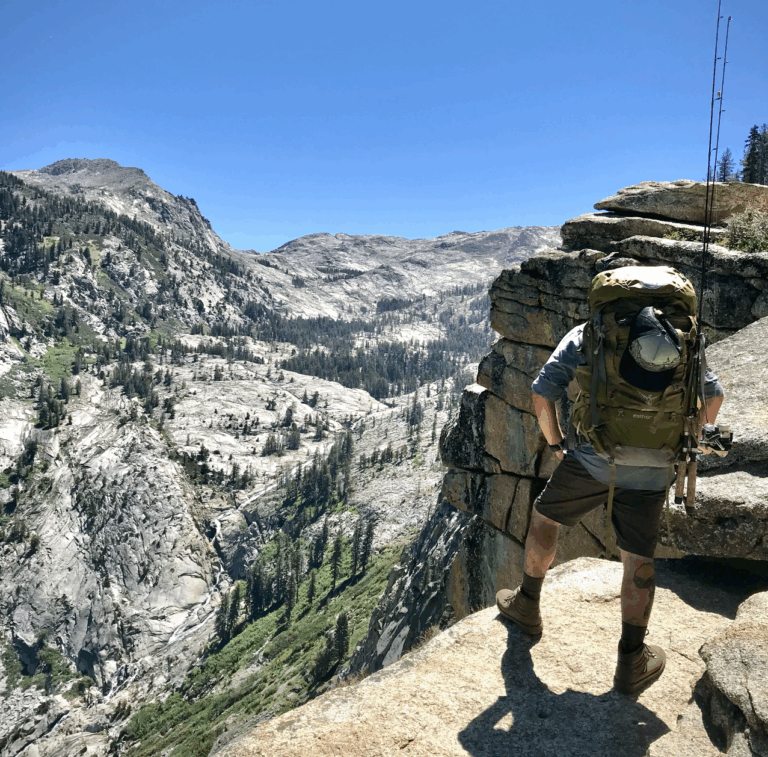
- Alpine environments above treeline in the Sierra Nevada Mountains, demanding endurance and cold-weather capability
- Coastal ecosystems, where terrain, weather, and resource conditions shift rapidly
- Remote backcountry patrol zones, simulating the isolation experienced in global conservation areas
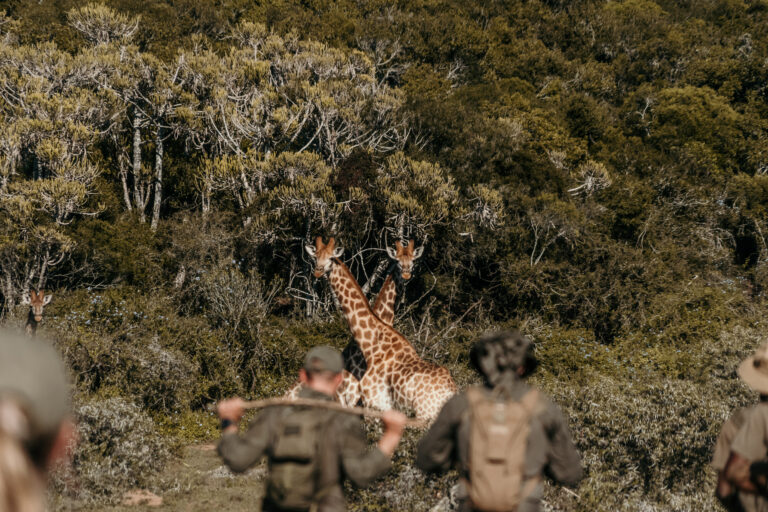
- Predator-inhabited habitats, including bear, wolf, and mountain lion regions
These environments mirror the operational challenges faced across GCF program regions worldwide.
A Progressive Training Pathway
Global Conservation Force training follows a structured progression designed to build long-term capability.
- Level 1: Introduction to Anti-Poaching Training
- Level 2: Wildlife Protection & Conservation Bootcamp (California)
- Discipline-Specific Courses: Tracking, navigation, bushcraft, K9 operations, and conservation skills
- Instructor Development Pathways: Long-term progression toward field leadership and instruction
This Level 2 course serves as a critical bridge between foundational training and advanced operational readiness.
Standardizing Skills Across Diverse Backgrounds
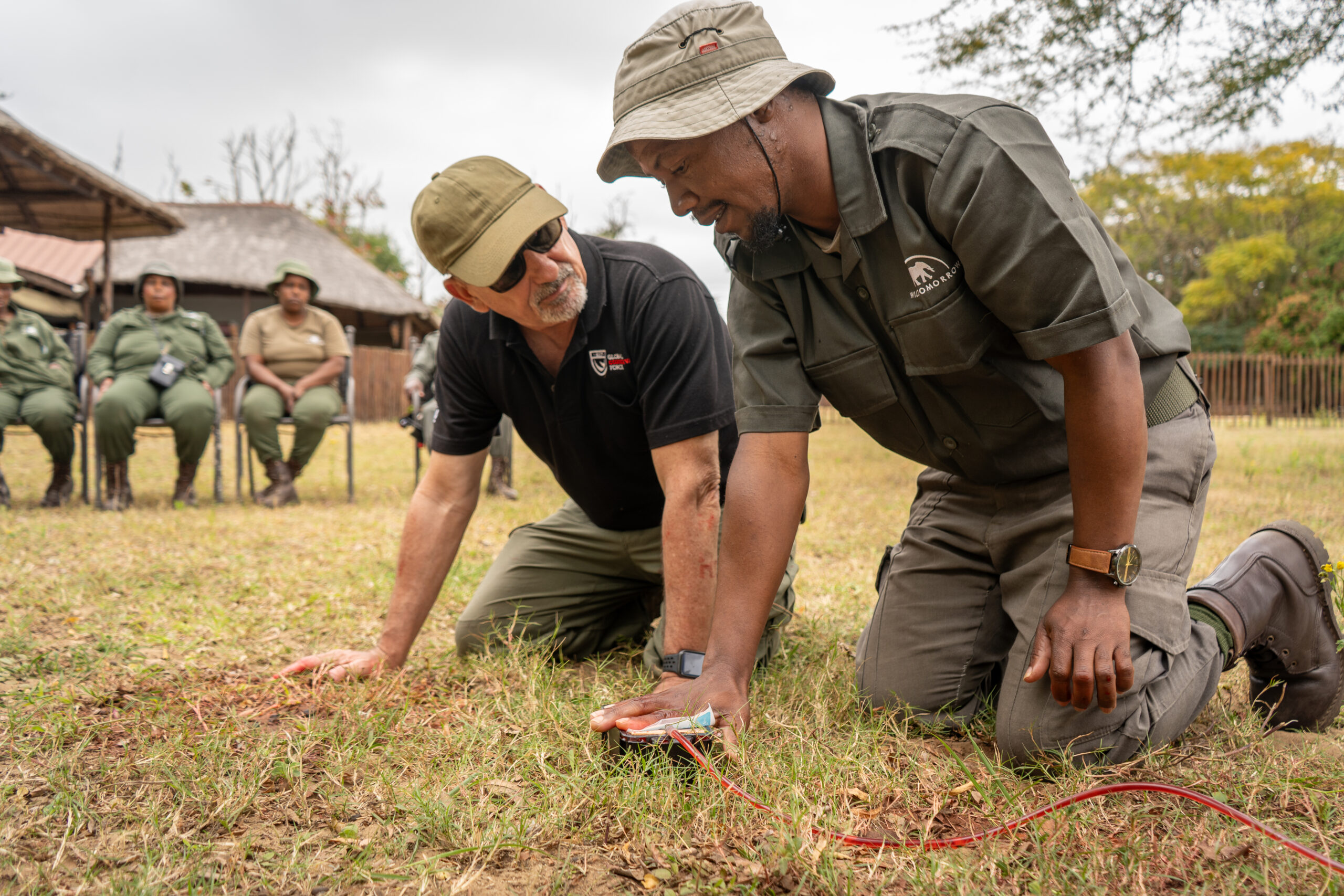
Participants enter this program from a wide range of professional and personal backgrounds. Some may have experience in military service, law enforcement, outdoor professions, wildlife science, or emergency response. Others arrive with strong motivation but limited structured field experience. Regardless of background, wildlife protection operations demand standardized skills, shared procedures, and disciplined teamwork.
This course is specifically designed to standardize operational knowledge and field capability, ensuring all participants develop from the same professional baseline.
Throughout the program, instructors assess:
- Physical capability
- Technical skill development
- Leadership potential
- Decision-making under stress
- Team performance
- Professional conduct
These assessments form the starting point for individualized development, allowing instructors to recommend specific follow-on courses and discipline-focused training.
For those demonstrating strong capability, this process begins the pathway toward apprentice-level instruction roles.
Core Operational Skills and Conservation Training
The Wildlife Protection & Conservation Bootcamp delivers a comprehensive set of real-world field skills essential to modern wildlife protection and conservation security operations.
Core skill areas include:
Tracking and Anti-Poaching Skills
- Tactical man tracking
- Wildlife tracking
- Tracking organized criminal groups
- Snare detection and snare poaching awareness
- Illegal fishing detection awareness
- Big game poaching indicators
- Understanding poacher behavior and movement patterns
Field Operations and Patrol Skills
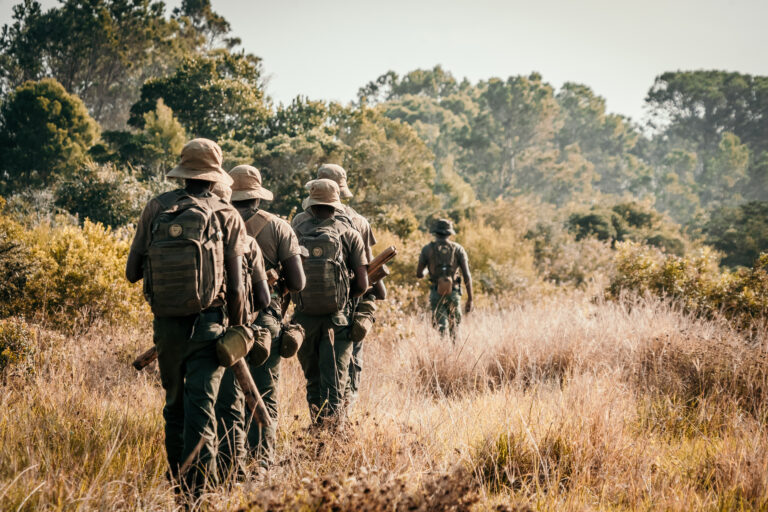
- Remote patrol planning and execution
- Multiple remote team operations
- Clandestine patrol movement
- Surveillance fundamentals
- Vehicle stop procedures
- Suspect awareness and controlled apprehension fundamentals
Wilderness and Survival Skills
- Wilderness survival and sustainment
- Living and working in dangerous wildlife environments
- Shelter construction and water sourcing
- Leave No Trace backpacking discipline
- Remote camp management
Emergency Medical Training
- Stop the Bleed trauma response
- Remote casualty stabilization
- Emergency care in isolated environments
Navigation and Communications
- Map and compass orienteering
- Navigation across multiple terrain types
- Radio communications discipline
- Multi-team operational coordination
Equipment and Weapons Familiarization
- Firearms safety and handling
- Multi-platform field awareness
- Introduction to archery and bows
- Safe equipment handling in wildlife environments
Integrated K9 Operations Introduction
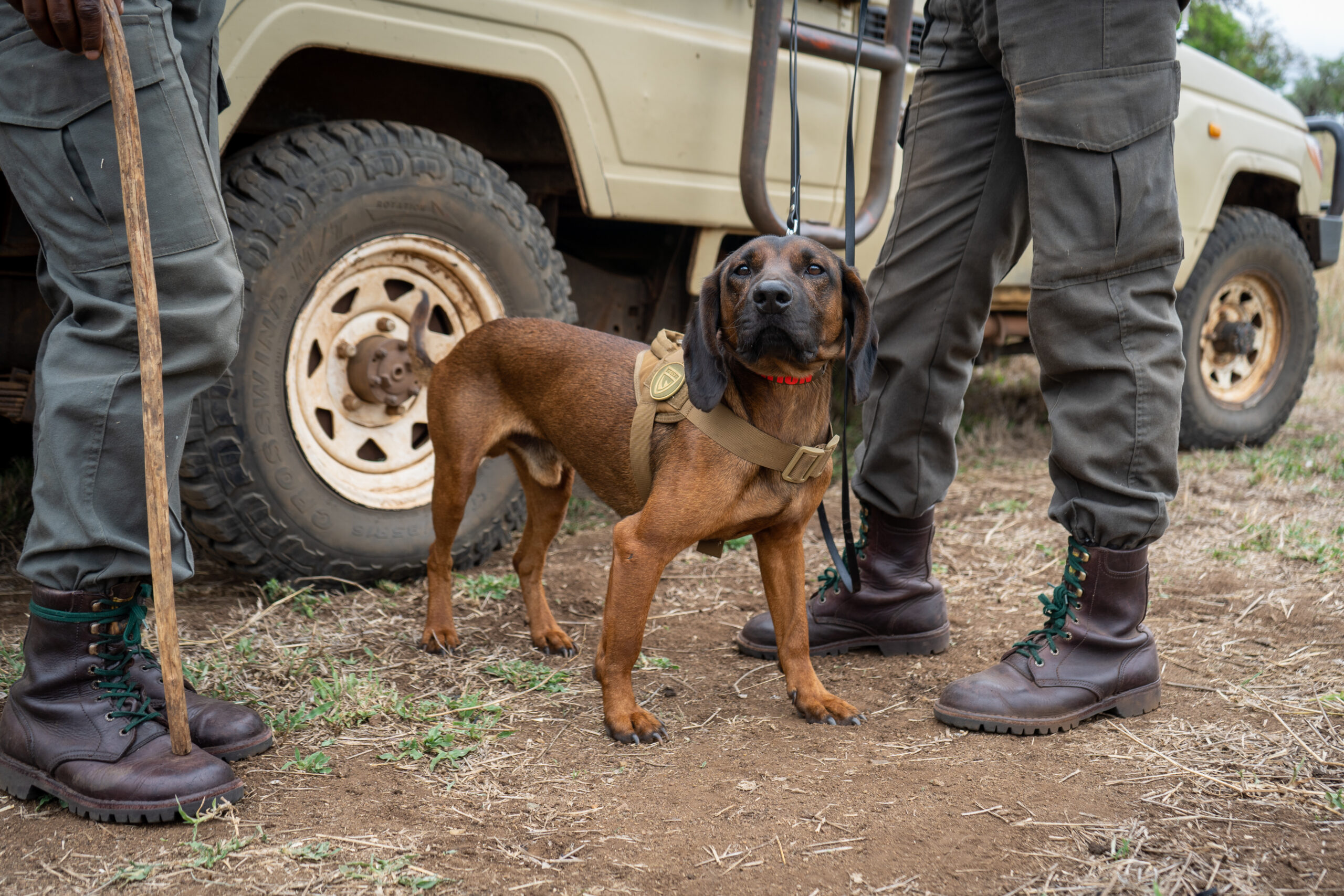
- Introduction to working K9 roles
- Introduction to conservation K9 operations
- Understanding K9 integration into patrol environments
Conservation and Wildlife Crime Education
- Conservation and ecology lectures
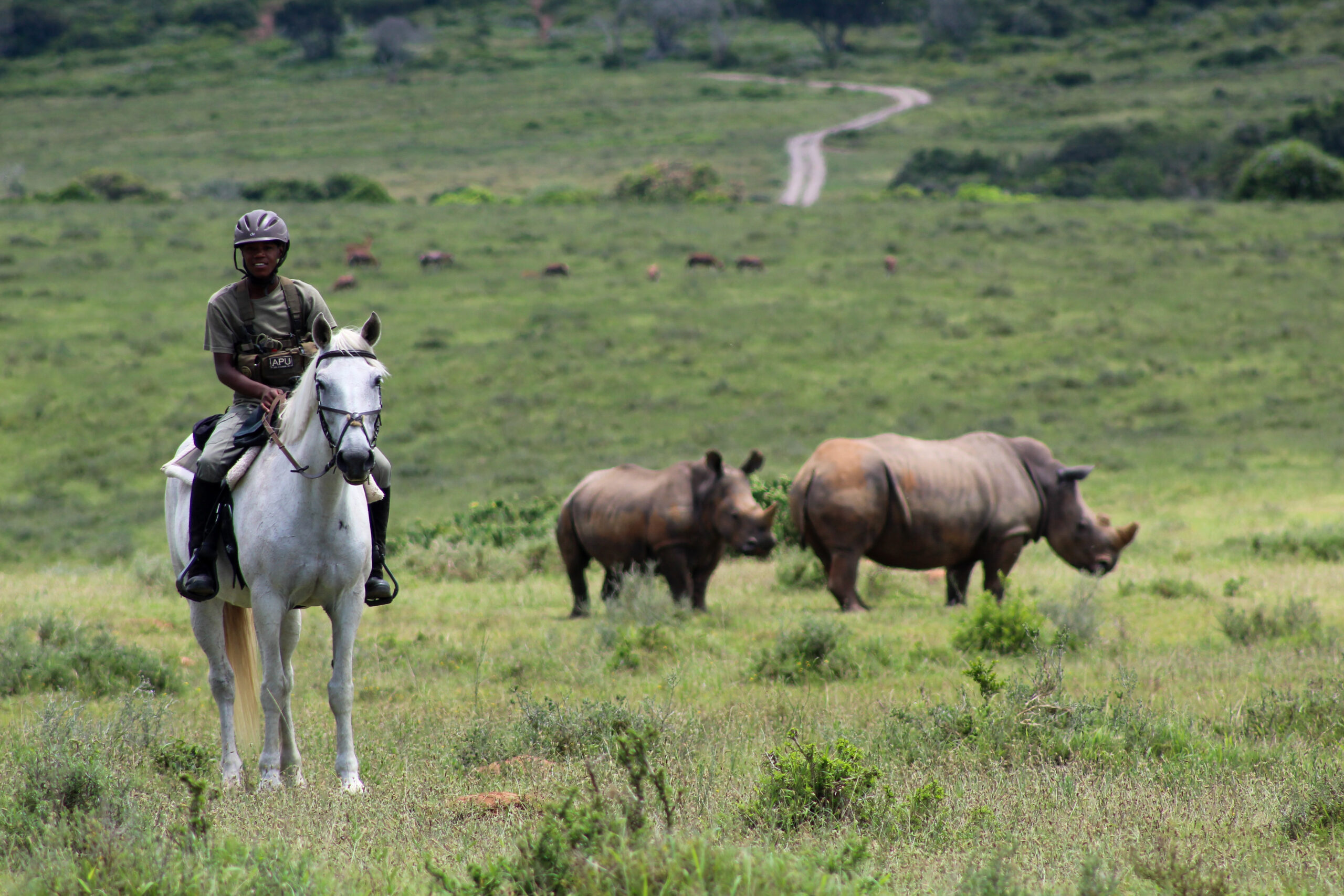
- Rhino poaching and organized crime awareness
- Wildlife trafficking awareness
- Environmental responsibility principles
These skills are taught through hands-on, field-based instruction, not classroom theory alone.
A Physically and Mentally Demanding Program
This course is intentionally structured to simulate the realities of wildlife protection operations.
Participants should expect:
- Daily hiking with weighted packs
- Extended remote camping operations
- Limited sleep cycles
- Day and night field training
- Cooking over open fire
- Swimming and water crossings
- Navigation under stress
- Sustained operations in harsh environments
This structure reflects the operational realities experienced by conservation teams worldwide.
Training Led by Highly Experienced Instructors
This program is taught by some of the most senior and experienced instructors within Global Conservation Force.
Many of these professionals are rarely seen publicly or featured on social media, yet bring decades of operational experience, including:
- Former special operations military personnel
- Specialized police and investigative professionals
- Veteran wildlife protection instructors
- Counter wildlife trafficking specialists
- Multi-country conservation operators
All instructors possess years of professional operational experience, with many having more than a decade working directly in wildlife protection and conservation operations.
This ensures that training remains grounded in real-world operational experience.
From Student to Apprentice Instructor
For individuals demonstrating strong discipline, capability, and leadership, this course marks the beginning of a long-term pathway, not the end.
Graduates may be guided toward:
- Additional discipline-specific training
- Advanced field courses
- In-country operational exposure
- Shadowing experienced instructors
- Supporting real conservation operations
These steps form the progression toward apprentice instructor-level development.
No Guaranteed Positions — Responsibility Rests With the Graduate
Successful completion of this course does not guarantee employment, volunteer positions, or placement opportunities.
Graduation represents demonstrated capability, not assignment.
Responsibility for continued development rests with the graduate.
Those serious about pursuing long-term involvement in conservation must:
- Continue training beyond initial courses
- Follow instructor guidance
- Maintain physical readiness
- Obtain required certifications
- Participate in in-situ (in-country) training
- Complete field shadowing alongside experienced personnel
Instructor-level progression requires years of continued effort, practical field exposure, and verified competency.
Understanding Ranger Pathways and Legal Requirements
Completing this course does not make someone a ranger.
Wildlife ranger qualifications vary widely across countries and are governed by local laws. International candidates must comply with legal requirements specific to each country, including:
- Recognized certifications
- Background screening
- In-country training
- Legal accreditation and licensing
GCF training provides the foundational readiness and field preparation required to pursue ranger-level opportunities through lawful and professional channels.
A High Standard of Physical and Technical Training
This program is intentionally delivered at a high level of physical demand and technical expectation.
Applicants should prepare with the seriousness expected of:
- Military-style field programs
- Ranger-level environments
- Specialized law enforcement training
Success requires:
- Physical endurance
- Mental resilience
- Team discipline
- Commitment to safety
- Willingness to continue long-term development
Graduates leave with realistic capability.
Program Overview
Program Length: 17 Days | 16 Nights
Dates: August 24th – September 9th, 2026
Location: Southern and Central California
Cost: $3,500 USD per person
Lead Instructors:Mike Veale
Mike Stoh
Additional instructors to be announced
Program Manager:
Natasha Frolander
The Beginning of a Long-Term Commitment
The Wildlife Protection & Conservation Bootcamp is not designed to produce overnight professionals. It is designed to build the foundation for long-term conservation capability. Those who succeed in this course and continue pursuing structured development—through additional training, certifications, and real-world field experience, position themselves to contribute meaningfully to wildlife protection efforts across the globe.
For individuals prepared to accept responsibility for their own growth and development, this course represents the beginning of a professional pathway into global wildlife protection.

- Copyright 2024. All Rights Reserved. Powered by Wild Media.