22 Apr
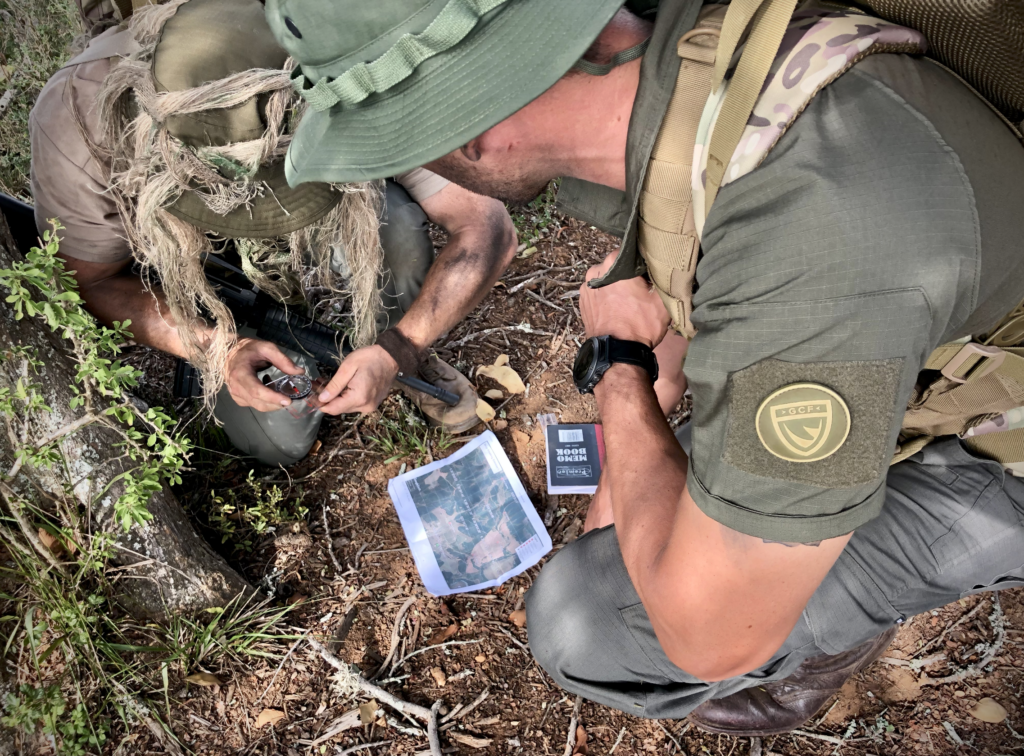
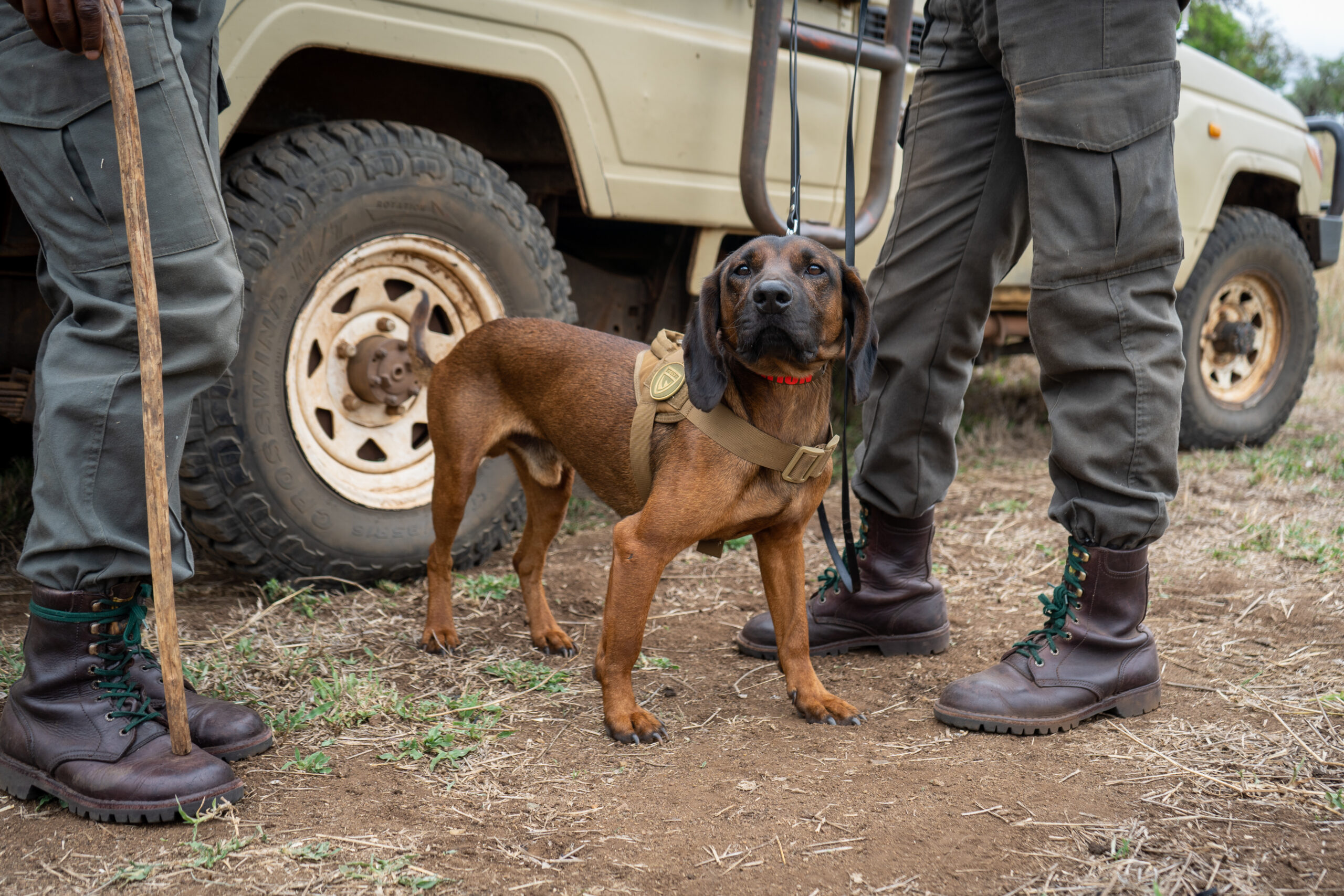
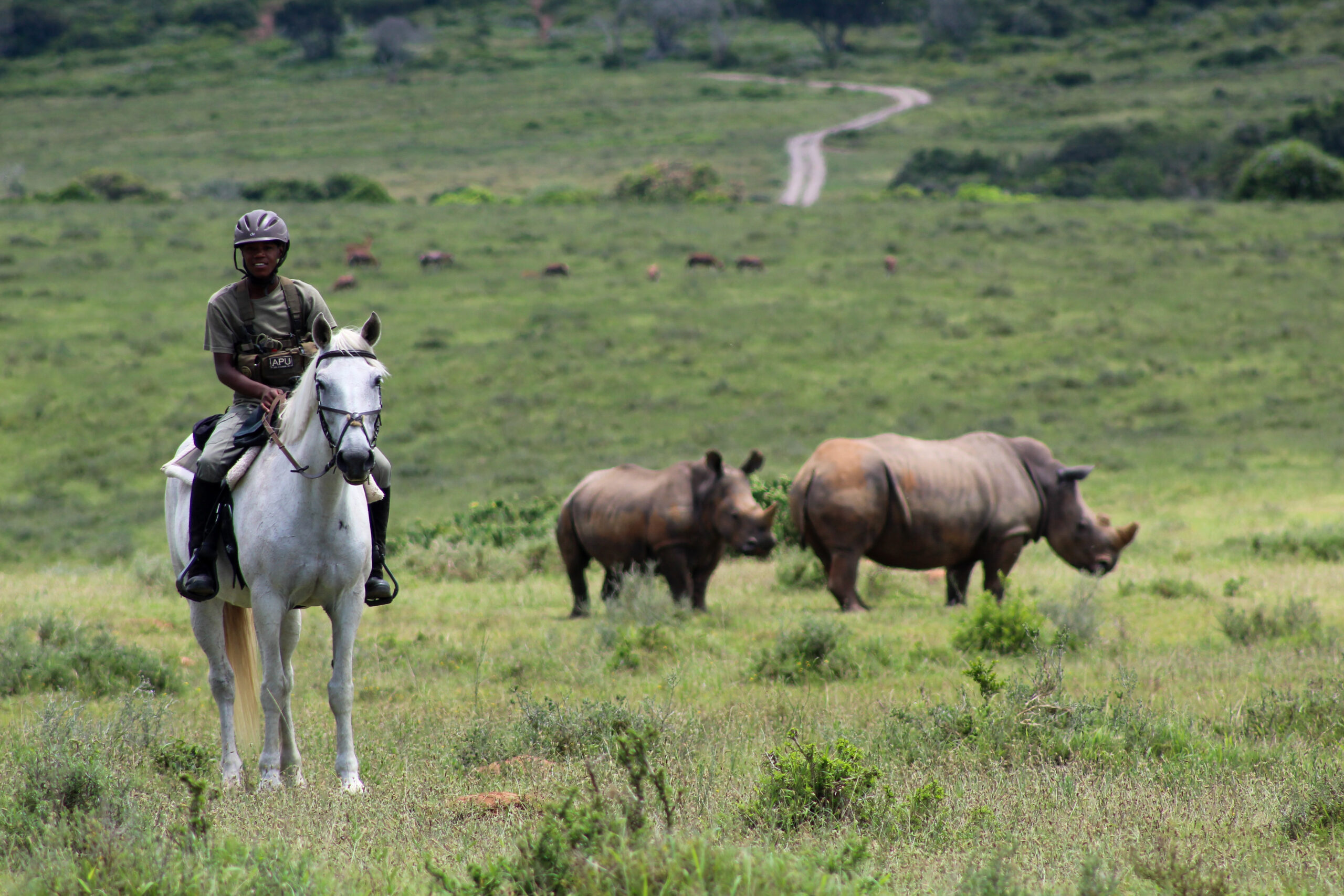
Global Conservation Force (GCF) is bringing advanced wildlife protection training back to the United States, with California selected as the operational setting for our Level 2 Wildlife Protection & Conservation Bootcamp. This return marks a significant step in strengthening conservation readiness training while providing a rare opportunity to operate across drastically different environments in one continuous field program. Designed as the next step following Level 1 Introduction to Anti-Poaching training, this Level 2 course builds multi-environment readiness, standardizes operational skills, and prepares individuals for future conservation training opportunities across Africa, Asia, Central America, and North America. This is not a classroom-based program. It is a demanding, immersive field course built to reflect the real-world conditions faced by wildlife protection personnel worldwide.
READ MORE27 Aug
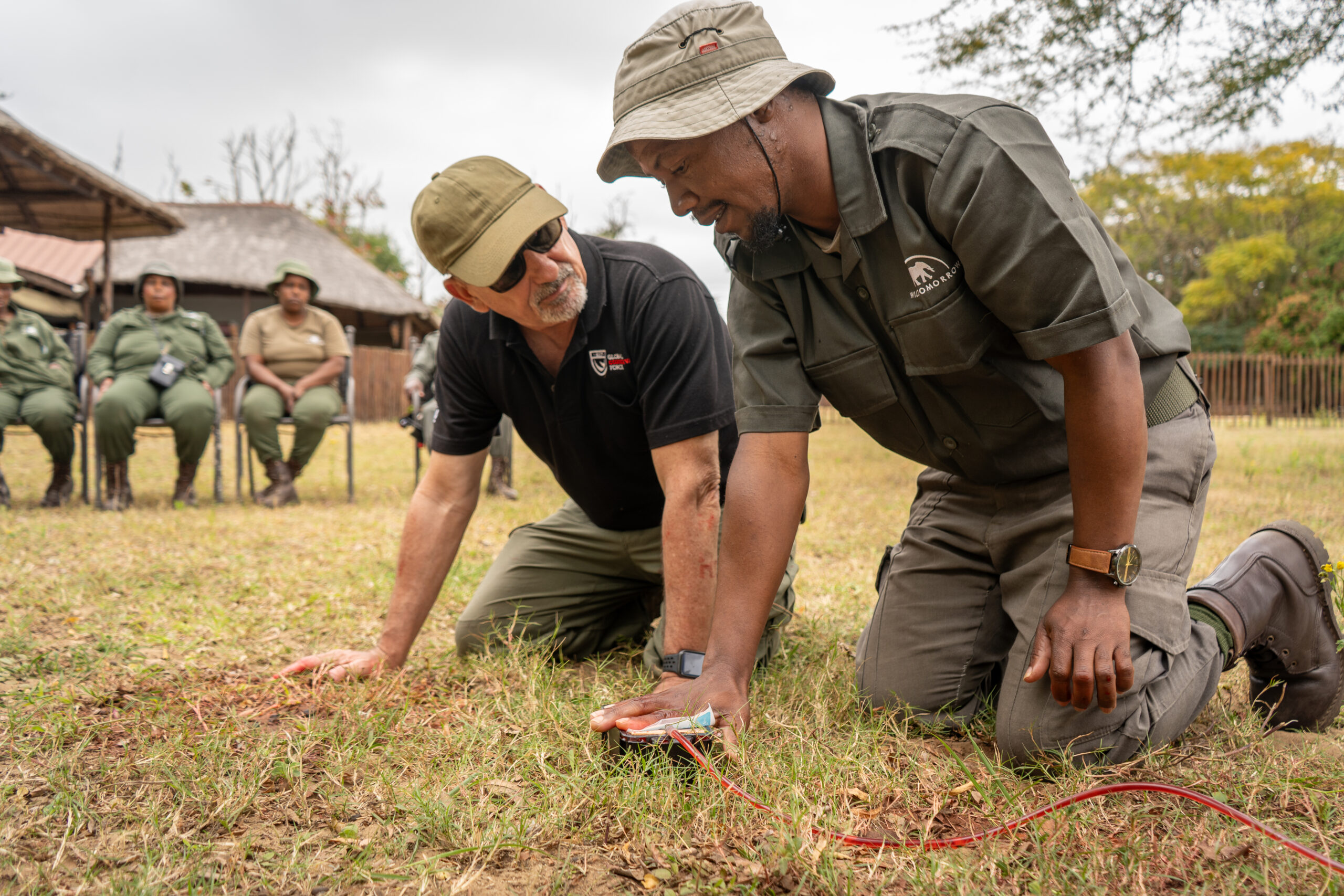
The GCF Introduction to Anti-Poaching Training Course is designed to forge highly skilled, disciplined, and mission-ready wildlife protection professionals. Over an intensive 21-day program, trainees will undergo a physically and mentally demanding experience, structured to meet the real-world challenges faced by anti-poaching rangers. This course is not for the faint of heart—participants should prepare as they would for a military or law enforcement boot camp, with the expectation of rigorous training in both practical and tactical conservation techniques.
READ MORE3 Mar
The GCF Introduction to Anti-Poaching Training Course is designed to forge highly skilled, disciplined, and mission-ready wildlife protection professionals. Over an intensive 21-day program, trainees will undergo a physically and mentally demanding experience, structured to meet the real-world challenges faced by anti-poaching rangers. This course is not for the faint of heart—participants should prepare as they would for a military or law enforcement boot camp, with the expectation of rigorous training in both practical and tactical conservation techniques.
READ MORE