

K9 Handler & Operational K9 Training Course Wrap-Up | Netherlands


From January 12–23, 2026, Global Conservation Force delivered an intensive K9 Handler & Operational K9 Training Course in the Netherlands, bringing together instructors, professional participants, and operational K9 teams for two weeks of immersive, real-world training focused on wildlife conservation, wildlife protection, and counter-wildlife trafficking operations.
Led by Mike Veale (Founder & President, Global Conservation Force) alongside Wesley Visscher and the Scent Imprint Conservation Dogs team, the course was intentionally designed to function as both a conservation professional development program and a train-the-trainer—equipping participants to elevate their own operational capacity while gaining the tools to develop K9 teams and handlers in their home countries.
Participants were active professionals currently working in conservation, wildlife protection, law enforcement support, and counter-wildlife trafficking efforts. The group represented a strong international collaboration, with attendees from:
Belgium
The Netherlands
United States
Belize
Malaysia
Indonesia
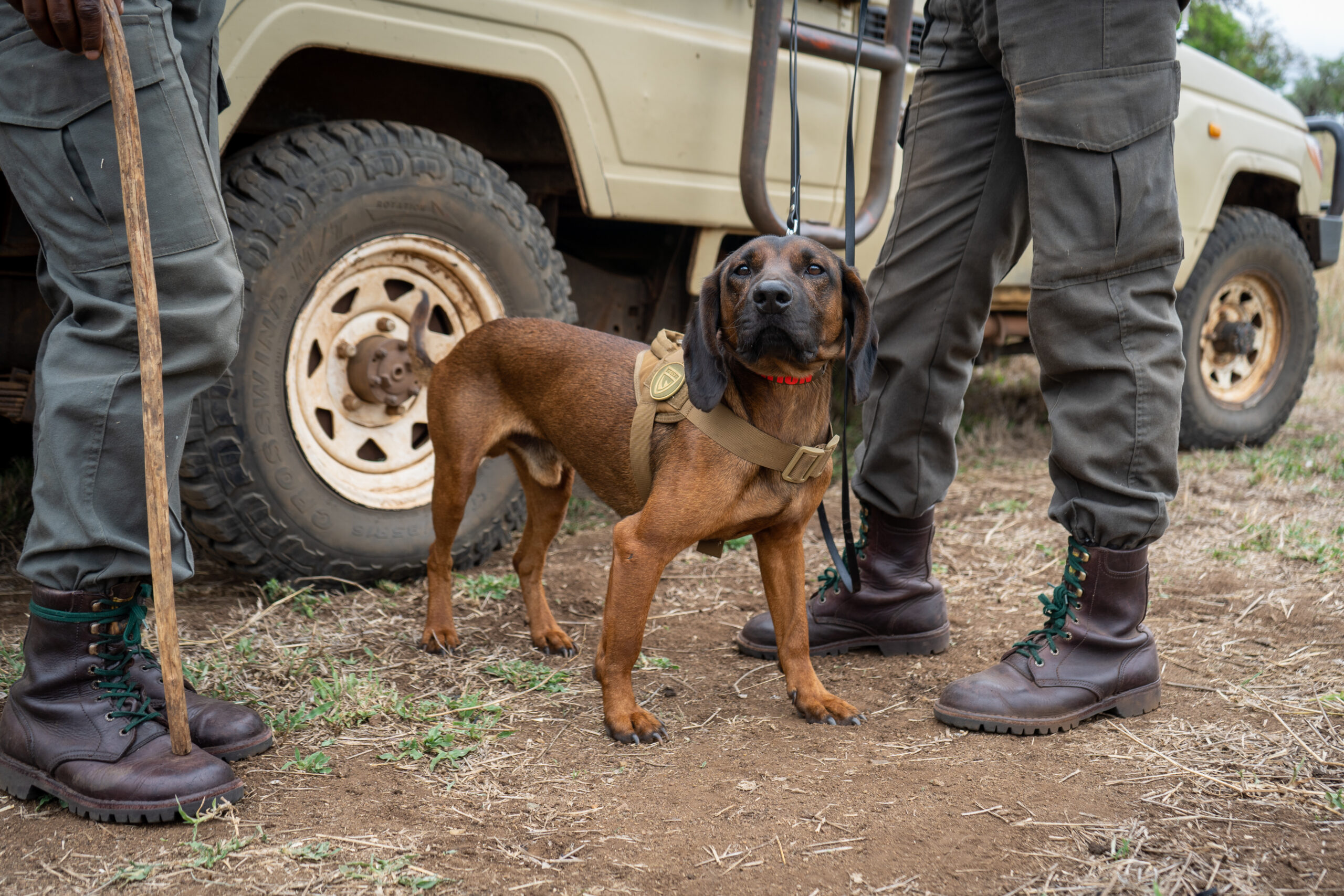
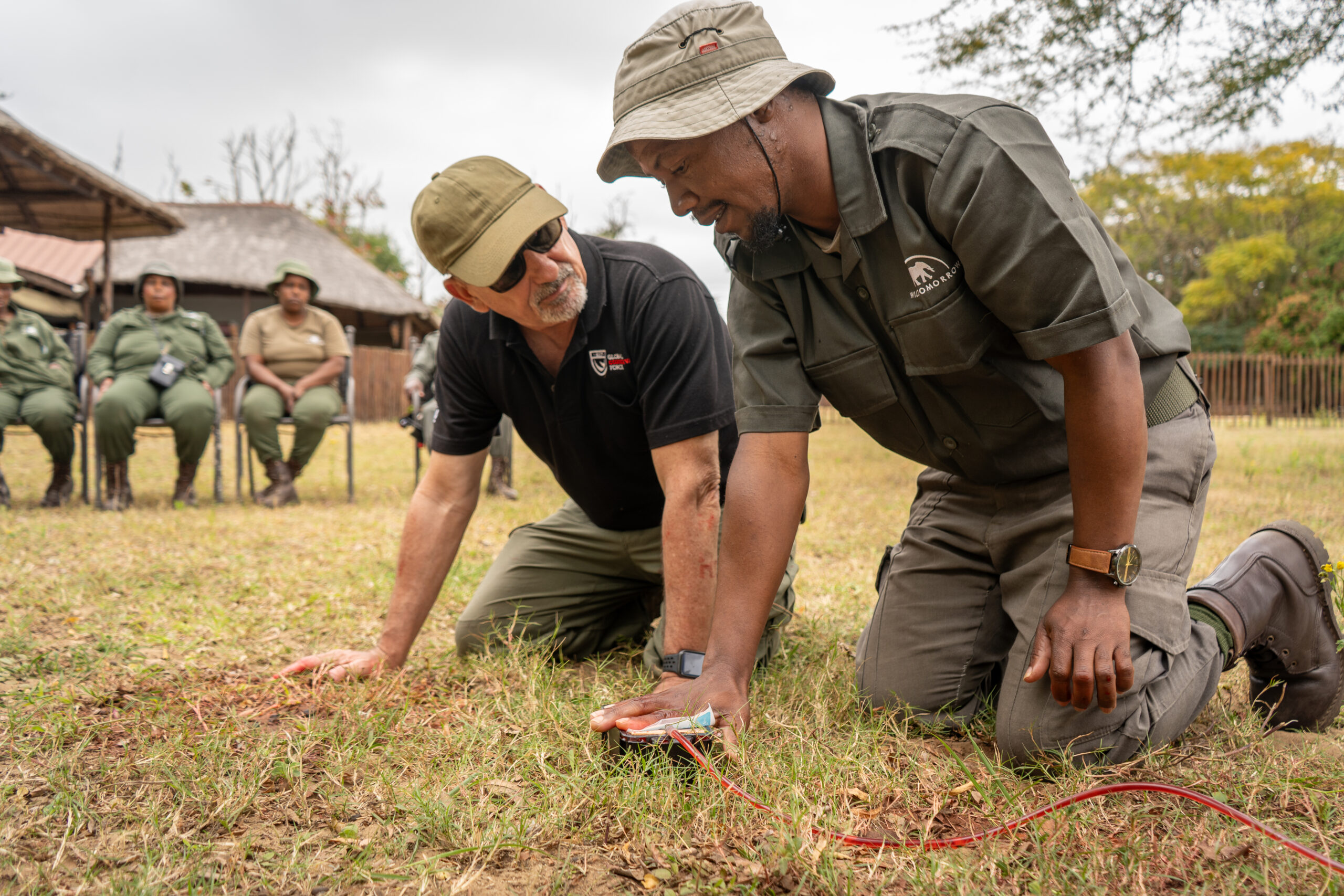
Throughout the program, participants trained alongside more than a dozen highly trained operational K9s, as well as several dogs in advanced stages of preparation prior to deployment. Every participant received leash time, one-on-one instructor access, and daily hands-on experience—progressing from foundational theory to complex, scenario-based operational application.
Training covered multiple operational disciplines essential to modern wildlife protection and interdiction work, including:
Multi-discipline scent detection (wildlife contraband, narcotics, explosives, snares, SIM cards, and cash)
Tracking and trailing across varied terrain
Controlled bite work and operational obedience
Handler development, including dog behavior, task management, and ethical handling
Operational scenario training focused on criminal concealment tactics, barrier management, and team integration
Participants trained across a wide range of realistic working environments, including forested terrain, suburban and rural settings, warehouses, cargo truck yards, vehicle searches, and complex interior structures—including former institutional facilities.
The course also included training alongside the Royal Dutch Police, where Instructors Mike Veale and Wesley Visscher delivered high-level instruction in high-risk operational tracking techniques with patrol K9s, bridging conservation-focused K9 work with advanced law-enforcement methodologies.
To reinforce learning and deepen understanding, participants also applied operational K9 working concepts and disciplines to household pet dogs. This allowed handlers to clearly observe the contrast in drive, engagement, and motivation, while practicing starting from scratch—building base behaviors, clarity, and communication before advancing to operational complexity.
This approach strengthened handler mechanics, timing, and foundational understanding, reinforcing how effective K9 teams are built ethically and methodically across all levels of capability.
While the course was open to participants of any skill level, training intensity escalated rapidly. Instructors intentionally pushed the envelope, applying increasing skill pressure and developing individualized progression plans for each participant based on experience, capability, and operational goals.
As the course progressed, scenarios became more complex, environments more demanding, and expectations higher. By the end of the program, participants demonstrated strong, visible, and consistent understanding of the material—moving from isolated techniques to confident, applied execution across multiple disciplines.
The Netherlands is widely recognized as one of the global leaders in working dog and operational K9 development. A significant number of dogs deployed into airports, law enforcement units, and specialized military applications worldwide originate from respected Dutch trainers and training systems.
Training in the Netherlands also allowed Global Conservation Force to make this program as cost-efficient and logistically effective as possible. There is no other location where it would be feasible to bring together:
This volume of highly trained K9s
Such a wide range of environments
Multiple overlapping working disciplines
Highly experienced instructors
All within one secure, controlled training framework.
Many professionals working in counter-wildlife trafficking operate against organized criminal networks. In live operational environments, training can pose real risks—both to personal safety and to operational integrity.
Training openly in these regions can allow criminal syndicates to observe, document, and adapt, undermining progress. These environments also add stress and human complexity when attempting to build skills from zero to full operational capacity.
While Global Conservation Force does conduct in-situ training, those programs are carefully managed and typically limited to small groups with a small number of K9s. This Netherlands-based course allowed participants to develop skills in a secure environment, maximizing learning outcomes before field application.
Global Conservation Force extends sincere thanks to Farm Food Dog Food, all participating Scent Imprint Conservation Dogs instructors, and our external professional development participants, whose involvement helped sponsor and support the Global Conservation Force components of this course.
Their contributions directly benefit strategic counter-wildlife trafficking and conservation K9 applications across multiple countries, expanding operational capacity where it is needed most.
This course exemplifies the impact of bringing professionals, instructors, environments, and operational K9s together in one place—building stronger handlers, stronger teams, and more effective frontline defenses for wildlife conservation and protection worldwide.