

Two Weeks on the Front Lines: TECC Training Across South Africa’s Rhino Protection Units
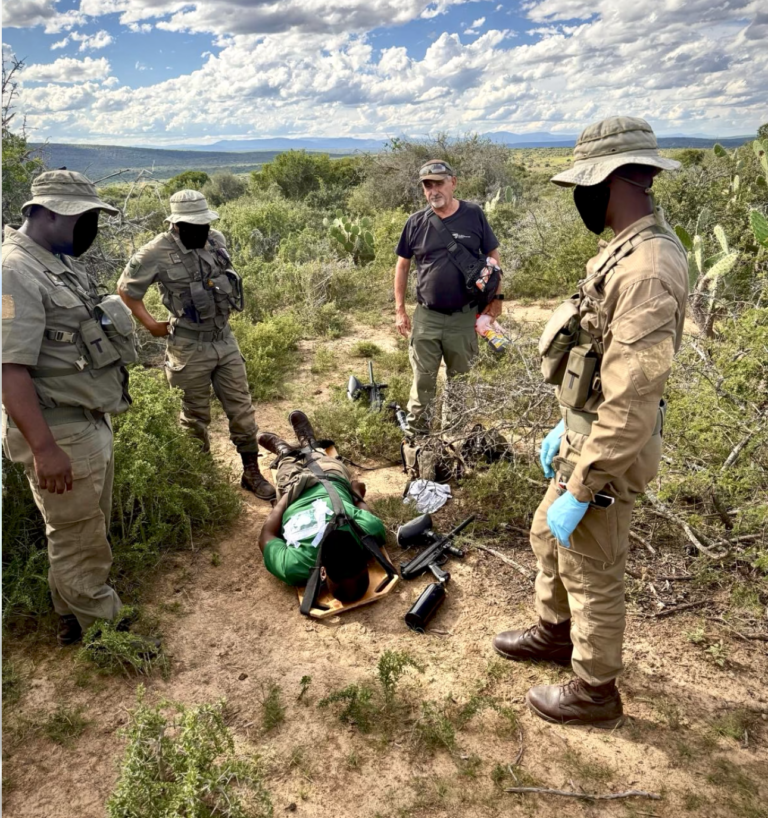
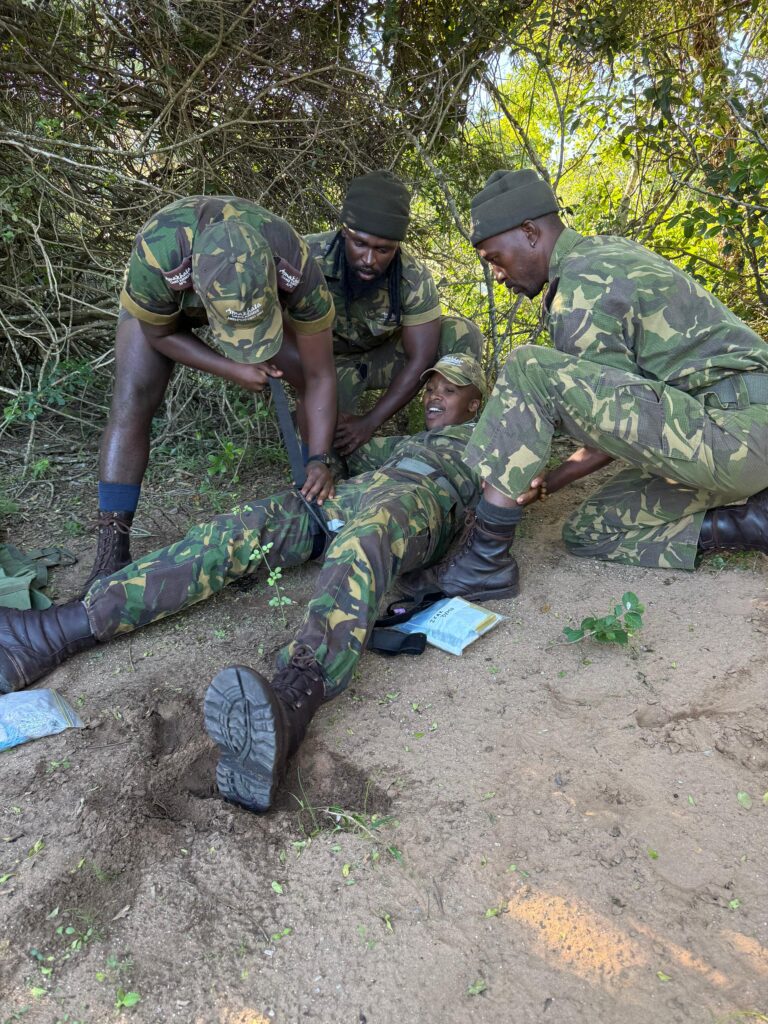

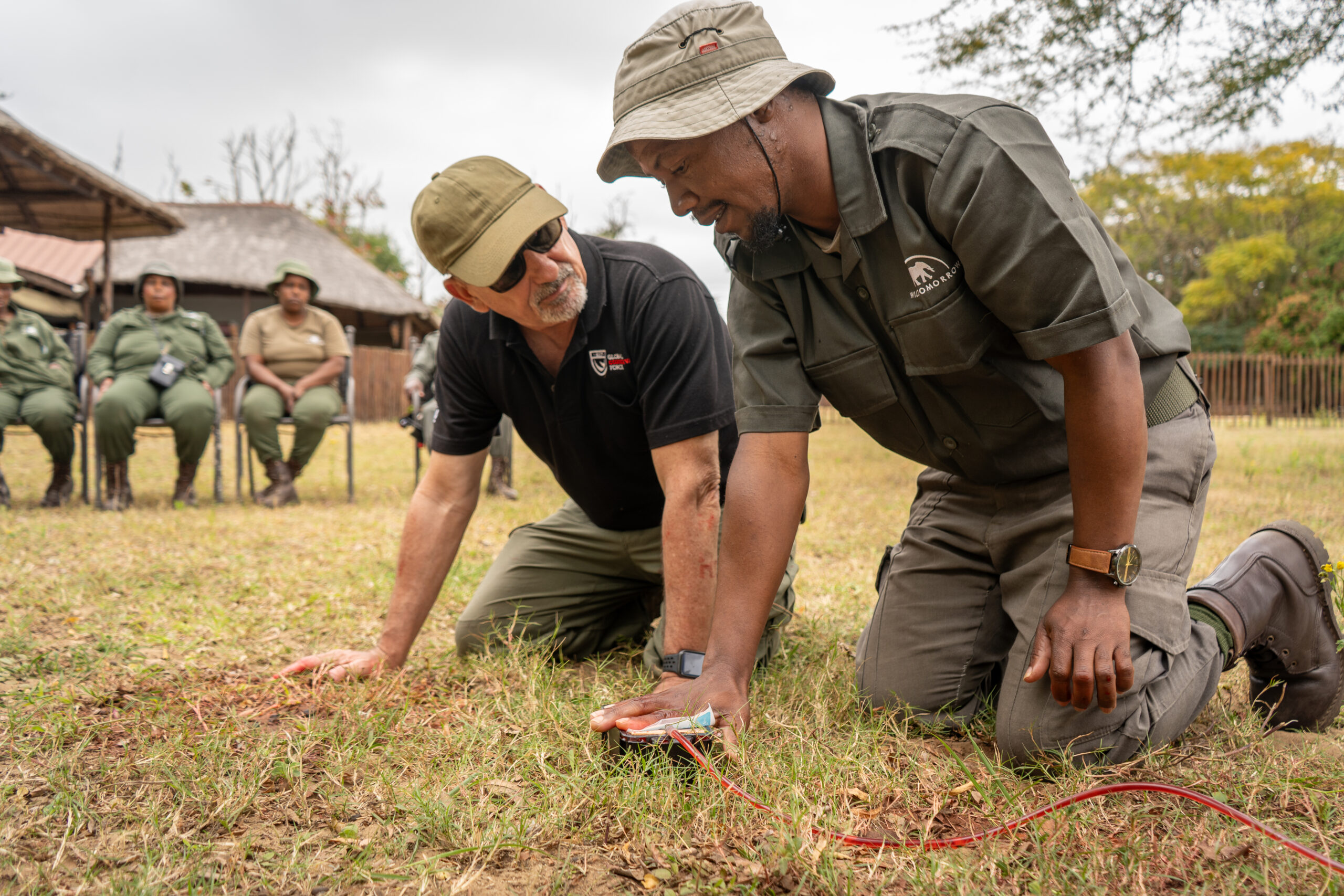
For the past two weeks, Chris Laursen, Lead Medic with Global Conservation Force, has been deployed across South Africa delivering advanced Tactical Emergency Casualty Care (TECC) training to front-line anti-poaching teams protecting some of the world’s most threatened rhino populations.
Traveling from the Eastern Cape to the Greater Kruger landscape, Chris worked with partner anti-poaching units across Kariega Game Reserve, Bucklands Private Game Reserve, Lalibela Game Reserve, Amakhala Game Reserve, Thornybush Game Reserve, and Balule Nature Reserve, delivering progressive, scenario-driven training tailored to the realities of high-risk conservation work.
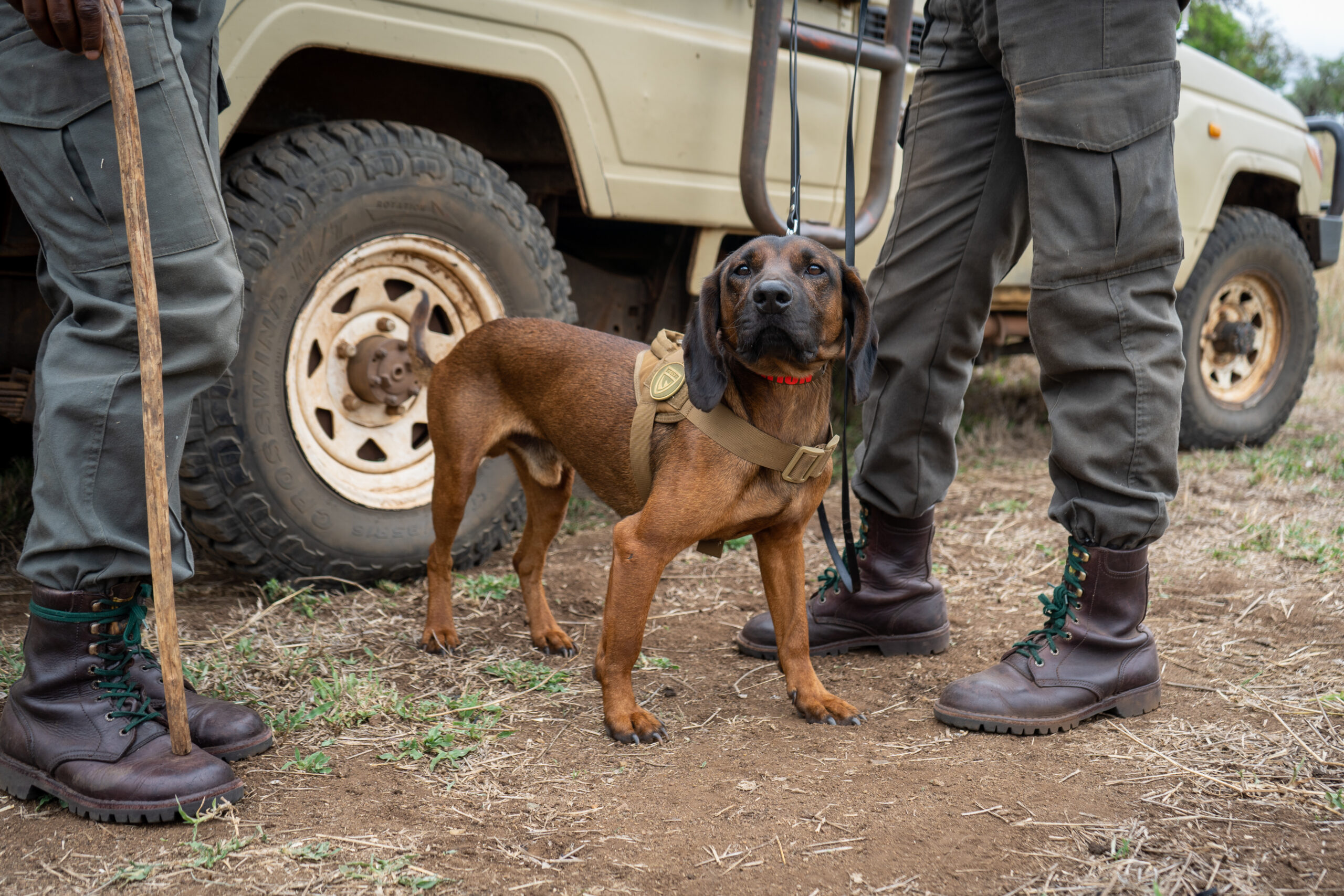
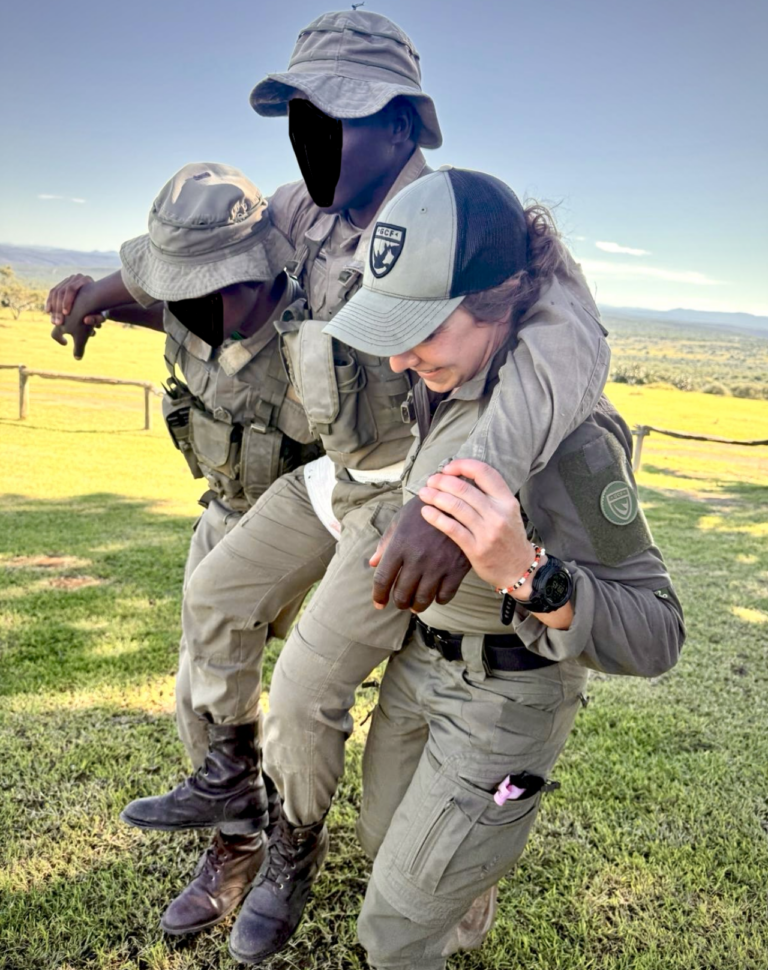
In total, 40 rangers—including multiple K9 handler teams—received advanced TECC and rescue training during this two-week operational push. These rangers operate both on foot patrol and within rapid-response K9 units, where the likelihood of injury, environmental hazards, or remote medical emergencies is significantly elevated.
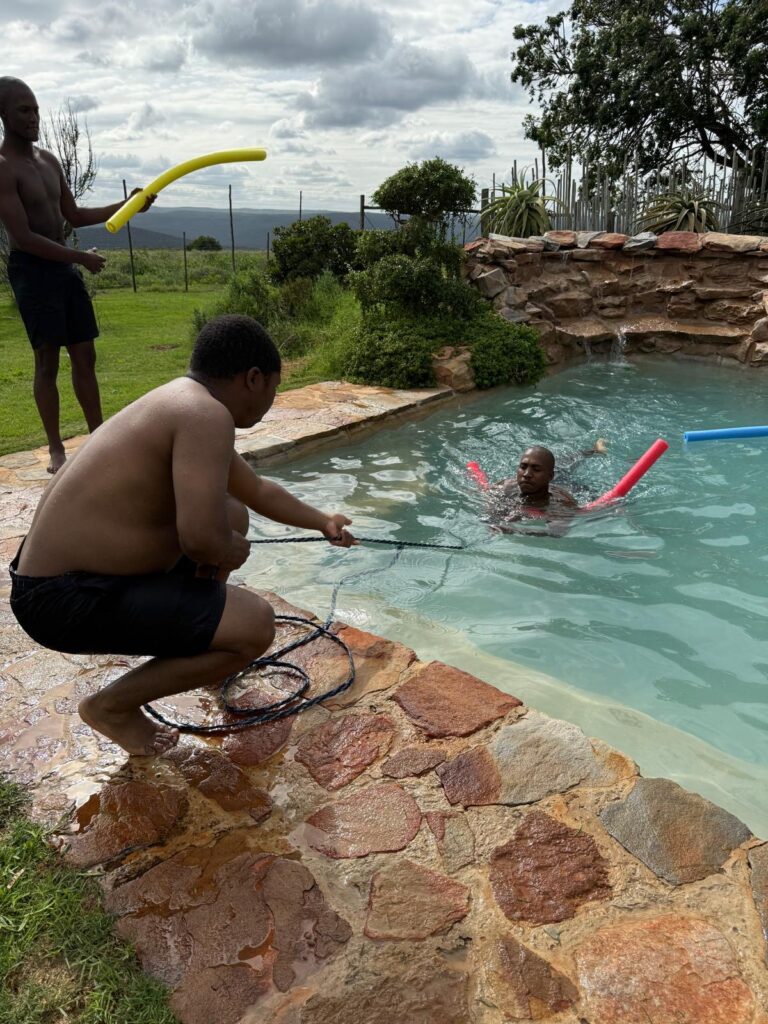
This training cycle also built upon earlier swim survival and water rescue instruction led at Kariega Game Reserve, integrating those water-based rescue skills into trauma response and casualty evacuation scenarios designed to reflect real-world incidents.
Chris’ training rotation spanned multiple conservation areas and partner reserves, including:
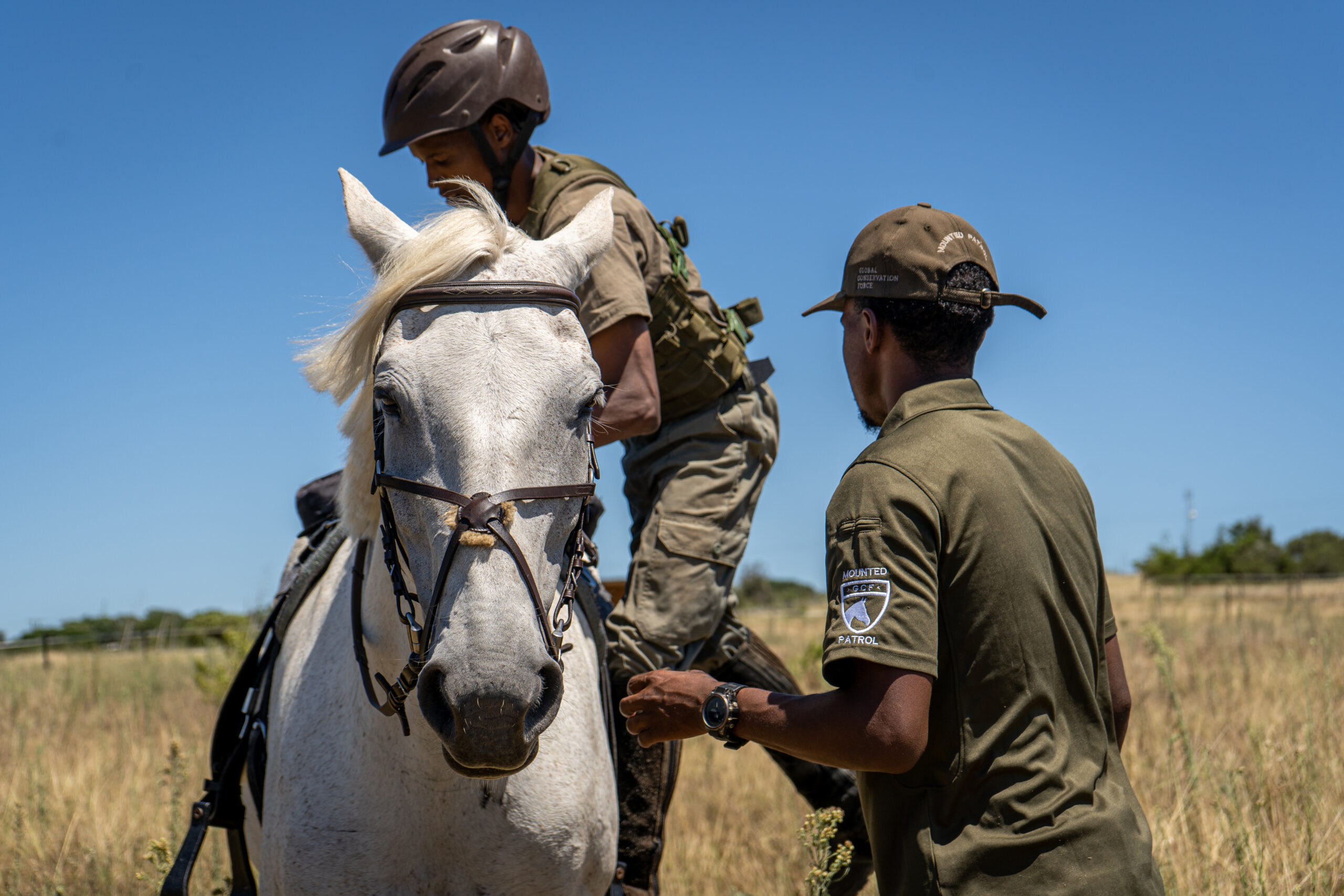
Across these locations, Chris worked with both foot patrol and K9 handler teams—units that routinely operate deep in the bush, often hours from definitive medical care.
Participants included:
Each ranger trained represents not just an individual skill set, but a force multiplier—bringing life-saving knowledge back to their full teams.
This training cycle built directly on recent work completed at Kariega Game Reserve, where Chris previously led swim survival and water rescue training, followed by TECC instruction tailored to real-world ranger conditions.
Earlier sessions included:
These layered skill sets reflect the reality of conservation field work—where emergencies rarely occur under controlled or predictable conditions.
One of the defining strengths of Global Conservation Force’s medical training programs is progression. Each partner team has received years of layered specialized training, with every year introducing:
For units such as those in Balule Nature Reserve, this continued progression ensures that rangers do not just retain knowledge—but actively build operational confidence and capability.
This year’s rotation continued that progression, pushing teams further in both skill application and decision-making under pressure.
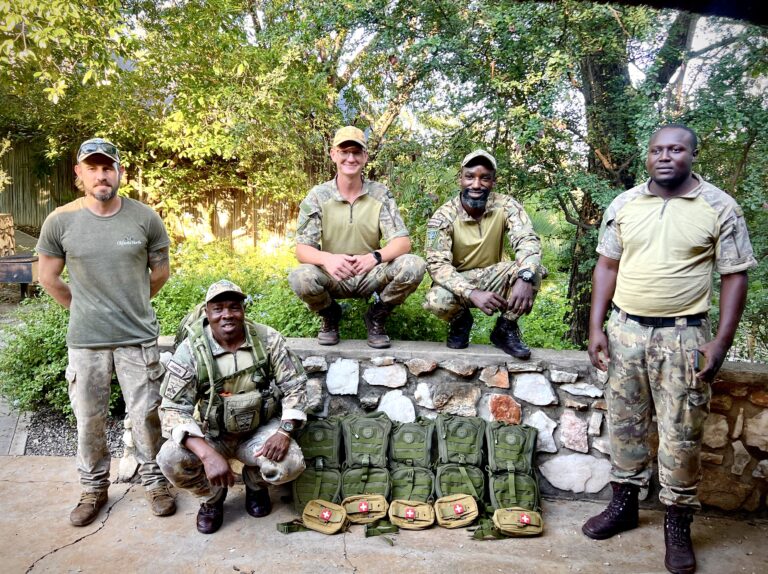
Training alone is not enough without the right equipment. During this rotation, the Balule team received sponsored Individual First Aid Kits (IFAKs) and Tracker hydration packs, ensuring they can sustain themselves and treat casualties during extended patrol operations in remote terrain.
These essential tools were made possible by the generosity of GCF donors and supporters who contribute through fundraising events and ongoing support through merchandise purchases from our online stores.
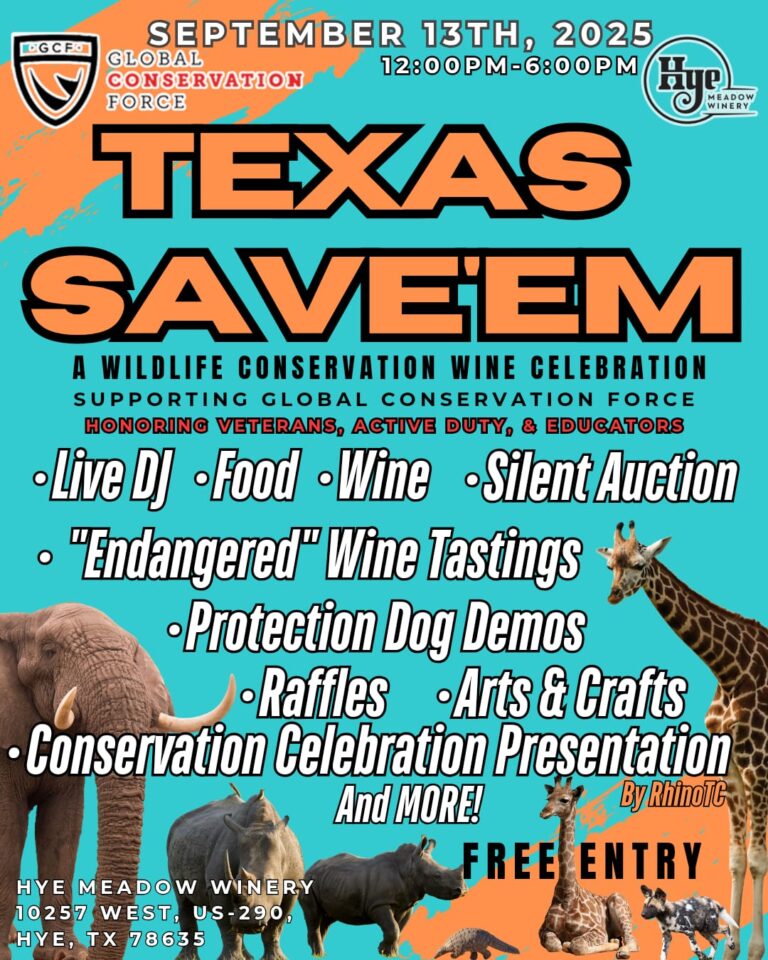
This entire training deployment was made possible thanks to funds raised by Tim Camerano and friends during their fundraising event at Hye Meadow Winery. Community-driven support like this directly translates into real-world impact, putting training, equipment, and preparedness into the hands of those protecting wildlife every day.
Anti-poaching units operate in unpredictable and dangerous conditions. These rangers face:
TECC training prepares rangers to stabilize casualties, control life-threatening bleeding, maintain airways, manage trauma, and sustain life until evacuation becomes possible. In conservation, survival isn’t just about protecting wildlife, it’s also about protecting the people who stand between poachers and endangered species.
Over the past two weeks, Chris’ work across South Africa has reinforced a core principle of Global Conservation Force:
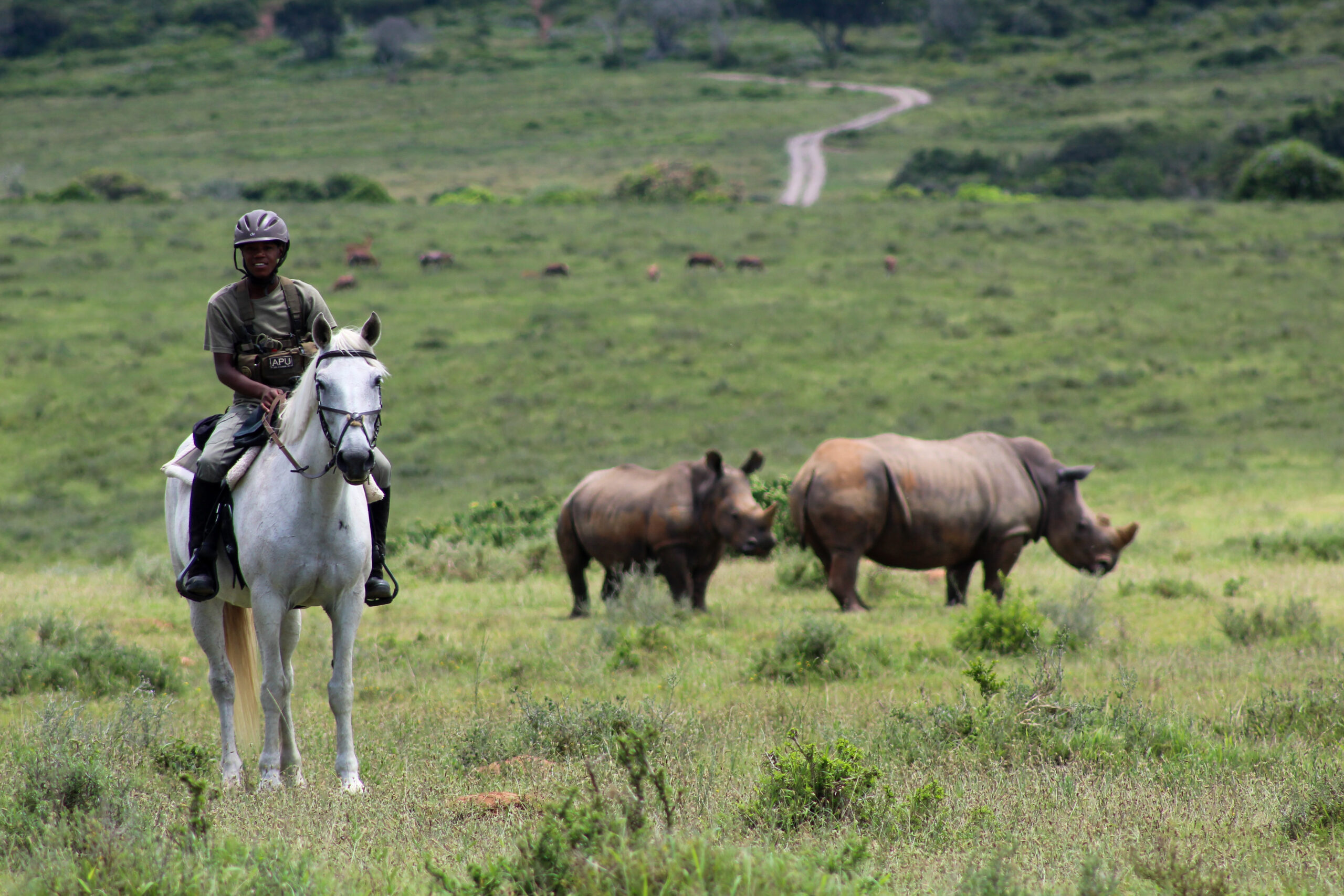
Prepared rangers save lives—both human and wildlife. By strengthening the medical readiness of anti-poaching teams across multiple reserves, this training cycle improves not just survival outcomes, but overall operational effectiveness in rhino protection efforts.
As these units return to patrol, on foot and alongside their K9 partners, they do so with expanded capabilities, improved confidence, and the tools needed to respond when seconds matter most.
This training series represents another milestone in Global Conservation Force’s ongoing commitment to supporting ranger teams across Africa. Each year builds on the last—deepening skill sets, strengthening partnerships, and ensuring that those protecting endangered wildlife are better prepared than ever before.
Because in the fight to protect rhinos, preparation saves lives, and lives saved mean conservation missions continue.