


World Rhino Day Is Coming: The Fight for Rhinos Continues

World Rhino Day Is Coming: The Fight for Rhinos Continues
World Rhino Day is September 22, and as we approach this important day for wildlife conservation, Global Conservation Force is taking a closer look at where the world’s rhinos stand, the challenges still facing them, and the work being done every day to protect their future. There is good news to share. Decades of conservation work have proven that rhino populations can recover when protection, funding, habitat, veterinary care, and community support come together.
But there is also an urgent reality.
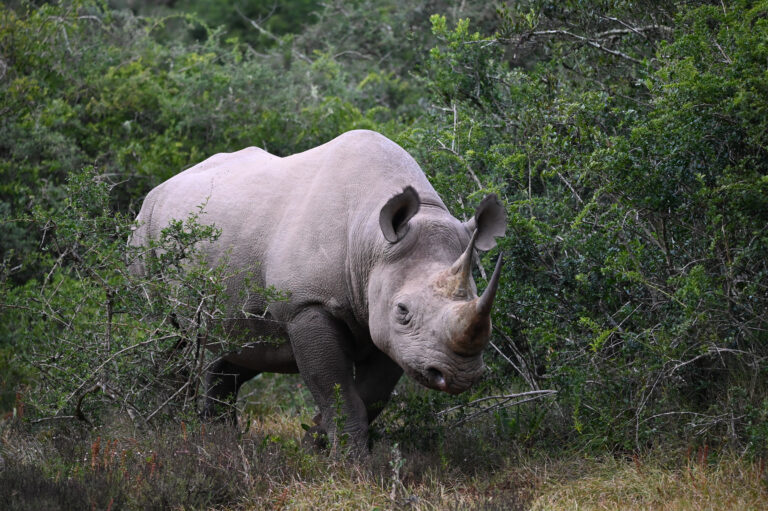
According to the International Rhino Foundation’s 2026 State of the Rhino report, approximately 26,700 rhinos remain worldwide across all five surviving species:
- White rhino — approximately 15,752
- Black rhino — approximately 6,788
- Greater one-horned rhino — approximately 4,075
- Javan rhino — approximately 50
- Sumatran rhino — an estimated 34–47
These numbers represent five species facing very different circumstances. Some populations demonstrate what decades of sustained conservation can accomplish. Others are now so small that the survival and successful reproduction of individual animals can influence the future of an entire species.

As World Rhino Day approaches, these numbers are an important reminder of why the fight continues.
There Is No Silver Bullet for Rhino Conservation
Rhino conservation and protection efforts are difficult, costly, and require multiple professional disciplines to gain and sustain progress. It is a long game. There is no single program, technology, organization, or “silver bullet” capable of ending the rhino conservation crisis.
At Global Conservation Force (GCF), our approach is built around multiple layers of conservation working together.
Our efforts include community-based conservation education, ranger training, K9 training, ranger support and sponsorships, anti-poaching operations, counter-wildlife-trafficking initiatives, rhino veterinary interventions, wildlife rehabilitation and orphanage support, equipment donations, and direct support for frontline conservation teams. Each part strengthens the others.
Training a ranger is important, but that ranger also needs equipment and operational support. Training a conservation K9 can provide an extraordinary capability, but the dog requires a skilled handler, veterinary care, continued training, and integration into an effective field team. Saving an injured or orphaned rhino is an incredible achievement, but that animal ultimately needs secure habitat and effective protection. And protecting wildlife for generations requires the involvement of the communities living alongside these important ecosystems. That is why our programs operate at multiple levels of the conservation fight.

Strategic Conservation in Crisis Areas
One of the most important parts of GCF’s approach is understanding that wildlife conservation crises rarely exist in isolation. Rhinos, elephants, pangolins, big cats, and countless other species can share the same ecosystems. They may also face overlapping threats from habitat loss, poaching, trafficking networks, limited enforcement resources, and economic pressures affecting surrounding communities.
This is particularly important in landscapes where rhino, elephant, and pangolin ranges currently overlap, or historically overlapped before populations were reduced or locally eliminated.
For GCF, this creates an opportunity for strategic conservation investment. Not every conservation program in a historic rhino landscape has to begin with a rhino. In some areas, pangolins or elephants may provide the most practical starting point for community engagement, conservation education, ranger support, K9 development, or counter-wildlife-trafficking programs.
Those programs have immediate value for the species they are designed to protect. But they can also begin building something much larger.
- Community relationships are established.
- Rangers receive training.
- Equipment reaches frontline teams.
- Wildlife crime reporting improves.
- K9 capabilities are developed.
- Children and families become involved in conservation education.
- Local organizations gain additional capacity.
- Partnerships with government agencies, conservation organizations, and communities become stronger.
All of those pieces can create a stronger conservation foundation for the entire landscape. In areas where rhinos still occur, that capacity can directly reinforce existing rhino protection. In landscapes where rhinos have been lost or severely reduced, strengthening conservation around elephants, pangolins, and other threatened species can help rebuild some of the community support, security, knowledge, and conservation infrastructure that would be necessary for more ambitious rhino conservation efforts in the future.
It also keeps GCF present and active across multiple layers of the conservation landscape, rather than waiting until a crisis reaches its final stage before becoming involved. This is part of what strategic conservation means to us.
Protect what remains today while building the capacity needed for tomorrow.
Supporting the Rangers Who Protect Rhinos
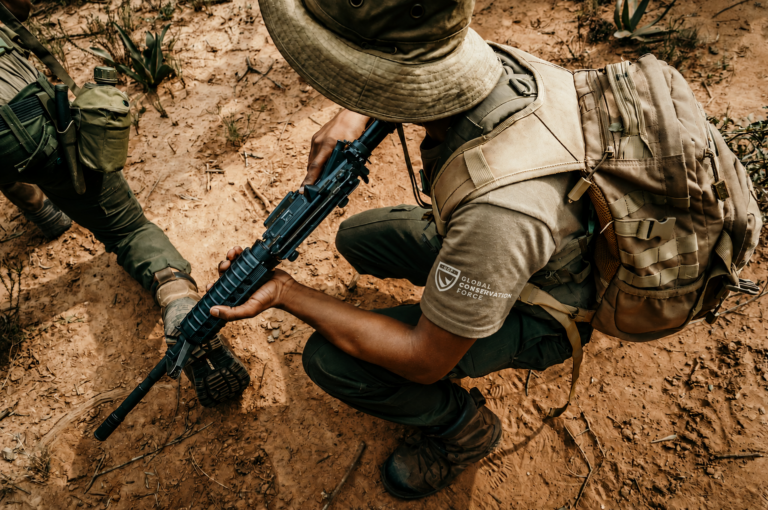
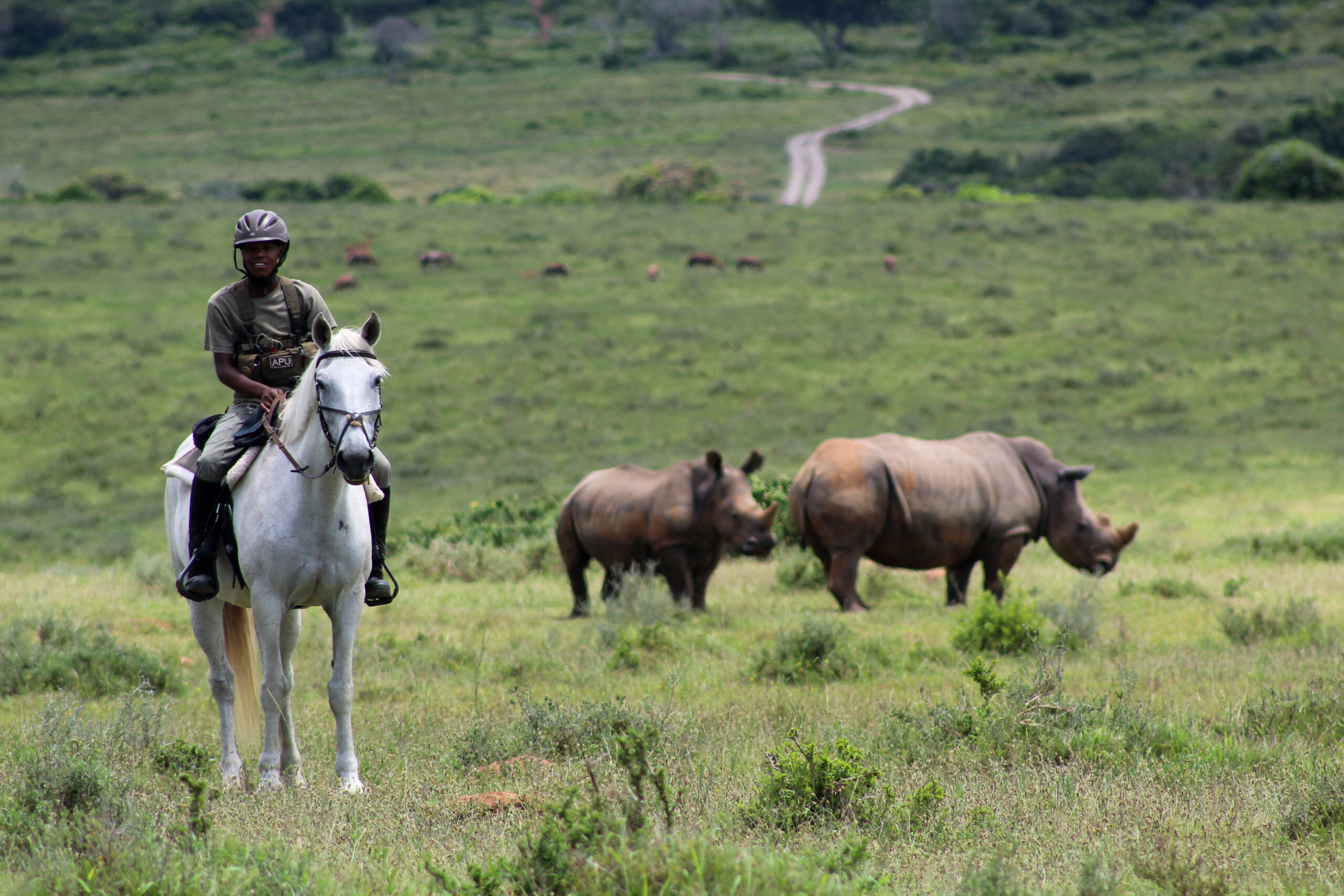
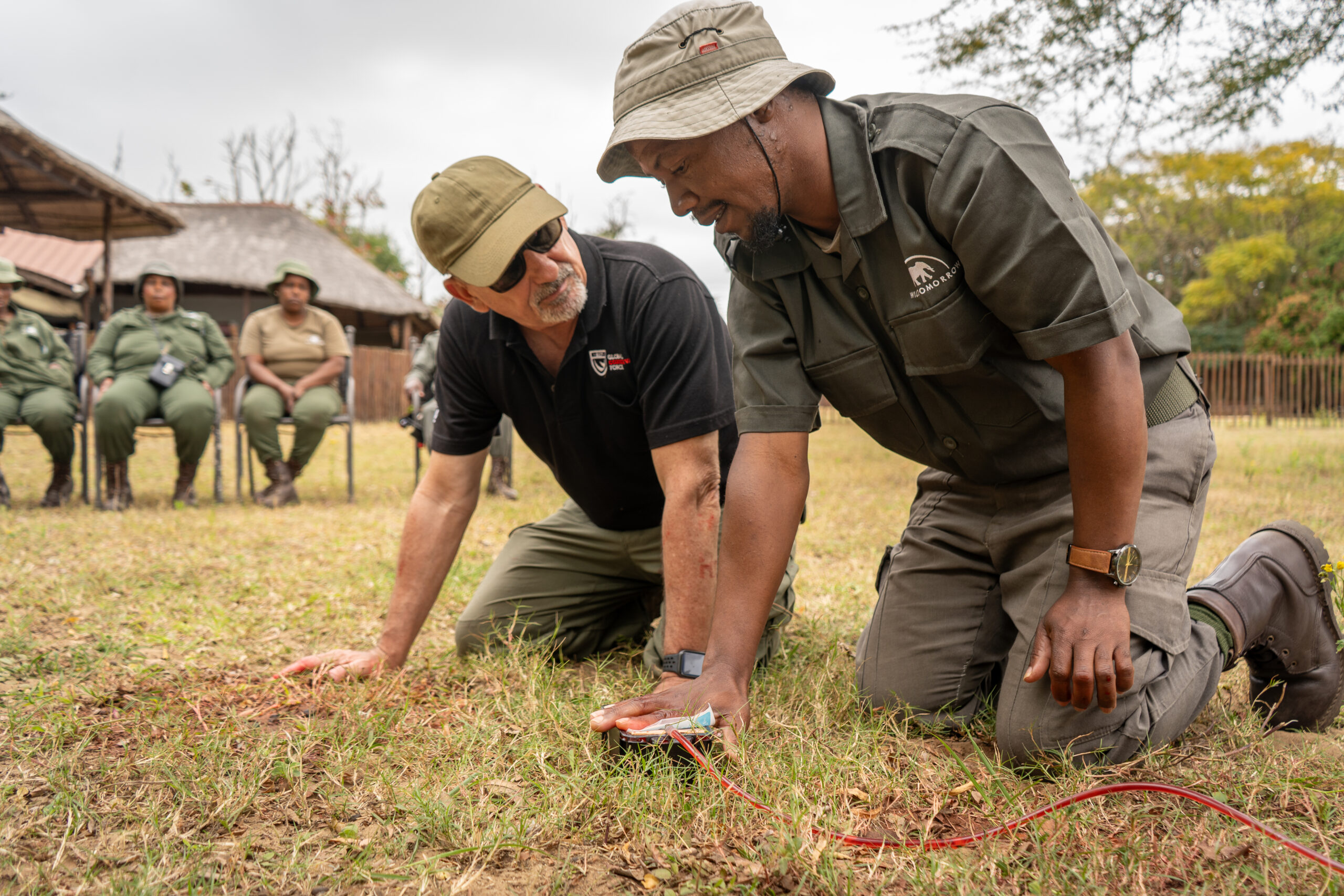
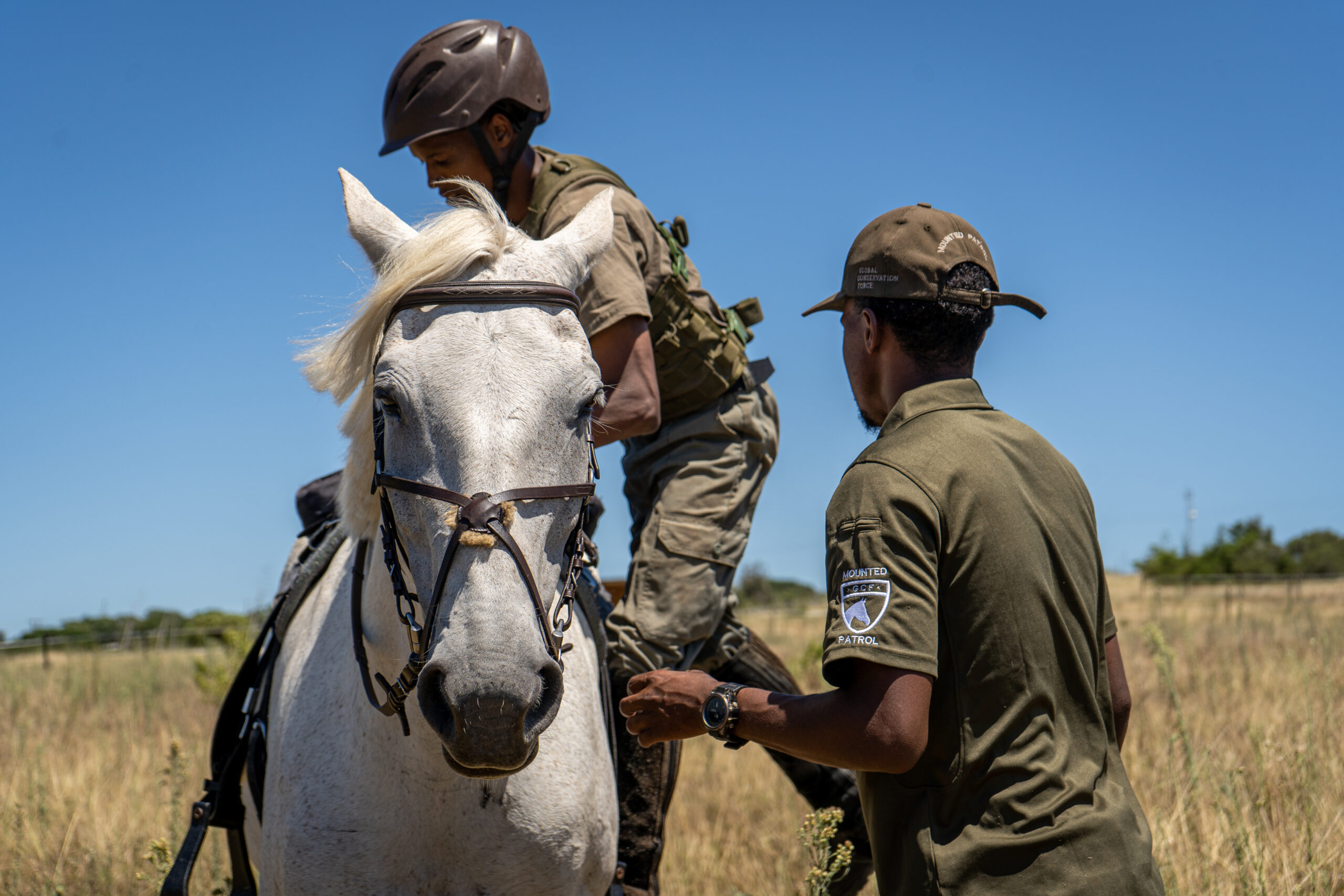
Rangers remain one of the most important lines of defense for rhinos and the ecosystems they inhabit. GCF has spent years training and supporting wildlife protection teams, with training covering disciplines such as fieldcraft, tracking, anti-poaching operations, emergency medicine, wildlife crime awareness, K9 operations, and other skills required of modern conservation professionals.
But training is only one part of ranger support.
GCF also works to provide equipment, sponsorships, operational assistance, continued professional development, and support to partner organizations and protected areas. The goal isn’t simply to conduct a training course and leave. It is to help build sustainable local capacity. The strongest conservation programs are ultimately those where local teams have the training, equipment, leadership, resources, and confidence to continue operating effectively every day.

Conservation K9s on the Frontline
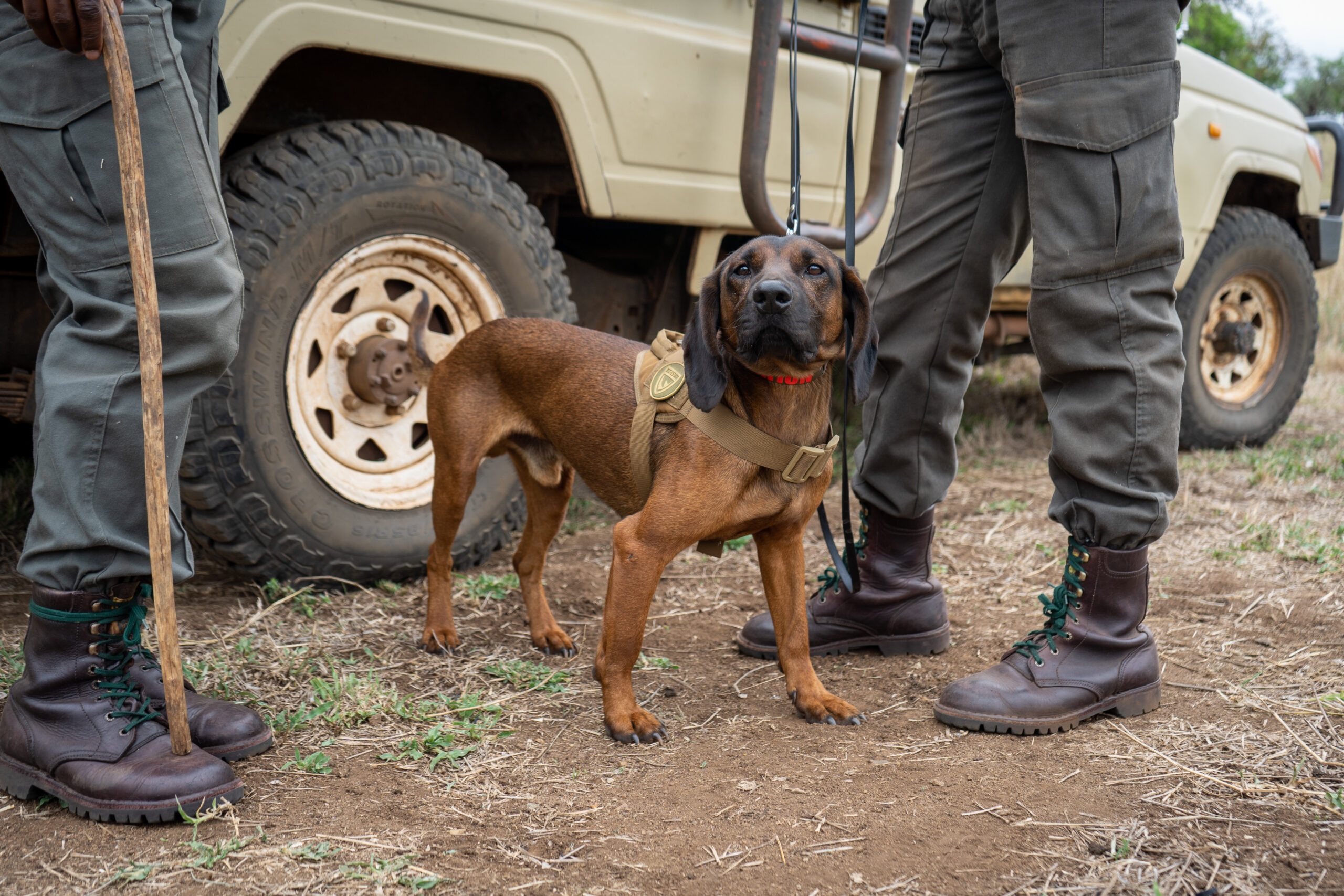
GCF’s conservation K9 programs add another specialized layer to wildlife protection. Our K9s, and the K9 teams we train and support, work directly alongside rangers, conservation organizations, and law enforcement partners on frontline wildlife protection and counter-wildlife-trafficking efforts.
Depending on their discipline, conservation K9s can assist teams with tracking, detection, evidence searches, patrol operations, wildlife monitoring, and locating wildlife or wildlife products. Their abilities can significantly increase the effectiveness of a field team. But a K9 does not replace a ranger.
A conservation dog becomes another highly specialized tool available to a well-trained team, one capable of helping those teams find what human senses alone might miss. Importantly, these capabilities are rarely limited to one species.
A ranger receiving better field training becomes more capable of protecting the entire landscape. A counter-wildlife-trafficking K9 program can strengthen efforts against the illegal movement of multiple wildlife species and products. Better intelligence, reporting, field medicine, equipment, and operational capacity can benefit rhinos, pangolins, elephants, and many other threatened species simultaneously.
That is one reason GCF continues investing in programs that connect multiple conservation disciplines rather than approaching each wildlife crisis independently.

Veterinary Intervention, Rehabilitation and Second Chances
Not every conservation effort happens on patrol. Sometimes protecting rhinos means responding after something has already gone wrong. Rhinos may require veterinary intervention following poaching incidents, injuries, disease, capture operations, translocations, or other emergencies. When a calf is orphaned, the commitment can extend for years. Rhino rehabilitation and orphanage programs require specialized veterinary care, experienced wildlife caregivers, nutrition, security, infrastructure, and substantial financial resources. Eventually, successful rehabilitation may lead to carefully managed reintroduction into protected wild populations.
GCF supports rhino veterinary interventions, rehabilitation efforts, and orphanage programs as another component of our broader conservation strategy. Saving one animal will not solve the global rhino crisis. But when populations become small enough, every animal matters.

Conservation Starts With Communities
Long-term wildlife protection cannot exist independently of the people living alongside wildlife. That is why community-based conservation education remains an important part of GCF’s work. And, just like our field programs, conservation education does not always have to begin with the most critically threatened species in the landscape. Sometimes the connection begins with a pangolin. Sometimes it begins with an elephant. Sometimes it begins with a rhino.
The species that first captures a child’s imagination or creates a conversation within a community can become the doorway into understanding an entire ecosystem. From there, education can introduce the connections between wildlife, healthy ecosystems, protected areas, wildlife crime, ranger careers, tourism, community livelihoods, and the importance of protecting the natural resources surrounding a community.
Today’s student may become tomorrow’s ranger, veterinarian, researcher, wildlife officer, guide, educator, or conservation leader. Creating that connection is part of building conservation that lasts.
Rhino Rescue: Turning Education Into Participation
This year, GCF is also expanding that approach through one of our newest conservation education projects: Rhino Rescue. Rhino Rescue combines a conservation-themed board game with educational materials designed to make wildlife conservation approachable, interactive, and fun for young people. The program is being developed for use both internationally and at home.
Our goal is to use Rhino Rescue as part of rural, in-situ conservation education programs in communities living alongside important wildlife populations, while also bringing the same conservation lessons into youth outreach programs in the United States and Europe.
For a child living thousands of miles away from a wild rhino, the game can create a connection to an animal and ecosystem they may otherwise never experience. For children growing up alongside wildlife habitat, it can help connect species they already know with the rangers, conservation decisions, challenges, and solutions involved in protecting them. The game becomes more than entertainment. It becomes a conversation. And those conversations can become the starting point for something much bigger.
This is another layer of the same strategy GCF applies in the field: education, community involvement, frontline protection, professional training, K9 programs, veterinary support, and long-term partnerships working together rather than independently.

The Rhino Crisis Extends Beyond South Africa
South Africa remains home to the world’s largest concentration of rhinos and continues to face significant poaching pressure. Protecting those populations remains essential to the survival and recovery of African rhinos. South Africa also understandably receives substantial international attention and conservation support because of the size and importance of its rhino populations. But the conservation community cannot afford to overlook neighboring range states.
Rhino populations elsewhere in Africa also need sustained ranger support, equipment, K9 capacity, veterinary resources, intelligence networks, community programs, habitat protection, and long-term funding. Wildlife crime is not static. As enforcement improves in one location, criminal networks can change tactics, routes, and targets. Pressure can shift across regions and international borders.
Smaller populations may have fewer animals to lose in the first place. That makes maintaining strong conservation capacity across rhino range states increasingly important. We have to protect the strongholds while also strengthening the places where additional pressure could become devastating.
Asia’s Rhinos Need Extraordinary Intervention
Across Asia, the situation becomes even more critical. The greater one-horned rhino is an important example of what sustained conservation can achieve. Its population has recovered substantially from historic lows and is now estimated at approximately 4,075 animals. That progress should be celebrated, and protected.
The situation facing the Javan and Sumatran rhinos, however, is dramatically different. Only approximately 50 Javan rhinos are believed to remain. For the Sumatran rhino, the current estimate is just 34–47 animals. At numbers this low, simply protecting animals from poaching is not enough. These species require intensive conservation intervention.
Habitat must be protected and, where possible, expanded. Remaining populations need monitoring. Isolated animals need opportunities to contribute to future generations. Veterinary and reproductive expertise becomes increasingly important. Communities need to be involved, and conservation organizations and governments need sustained international support.
This is also where a broader landscape strategy becomes particularly important. Across parts of Asia and Indonesia, conservation programs focused on pangolins, elephants, wildlife trafficking, ranger capacity, K9s, and community education can strengthen many of the same systems needed to protect some of the world’s rarest wildlife.
When an entire species numbers only a few dozen animals, every successful birth matters. Every breeding animal matters. Every protected piece of habitat matters. And every year matters.

Protecting Rhinos Protects So Much More
There is another reason the fight for rhinos is so important. Protecting rhinos can help protect entire ecosystems. Rhinos can act as umbrella and flagship species. Their conservation attracts funding, public attention, protected habitat, ranger resources, veterinary capacity, and conservation infrastructure that can benefit many other species sharing the same landscapes.
A ranger team funded to protect rhinos doesn’t walk past every other threatened species. A K9 trained to combat wildlife trafficking may encounter evidence connected to multiple protected species. A protected landscape created for rhinos can provide habitat for elephants, pangolins, predators, antelope, birds, reptiles, plants, and countless other forms of life. And the relationship works in the other direction as well.
Investing in pangolin protection, elephant conservation, ranger capacity, community education, and counter-trafficking programs within current or historic rhino landscapes can strengthen the foundation needed for rhino conservation. That interconnected approach allows conservation funding and expertise to reach ecosystems and rural communities through multiple pathways.
For GCF, this is not about choosing one species over another. It is about understanding how protecting one species can strengthen the system protecting all of them.
From Africa to Asia
GCF works across Africa and Asia, including Indonesia, supporting conservation programs in regions where wildlife and the people protecting it face some of their greatest challenges.
- Sometimes that means training rangers.
- Sometimes it means deploying or supporting a conservation K9.
- Sometimes it means providing veterinary equipment or medical training.
- Sometimes it means supporting wildlife rehabilitation.
- Sometimes it means working on counter-wildlife-trafficking efforts.
- Sometimes it means introducing conservation to a classroom through a pangolin, elephant, or rhino.
- And sometimes it means putting equipment directly into the hands of the ranger walking patrol tomorrow morning.
The individual project may change. The long-term objective does not: Build local capacity. Strengthen frontline protection. Support communities. Protect wildlife. Keep conservation moving forward.

World Rhino Day Is Coming, Join Us!
World Rhino Day on September 22 is an opportunity to celebrate rhinos, but it is also an opportunity to recognize the enormous network of people keeping them alive.
With World Rhino Day approaching, we’re setting a simple goal: 5 new recurring donors to help support GCF’s rhino conservation campaigns and conservation K9 teams. Recurring support can start at just $5 a month, but when combined with a community of people committed to conservation, it creates real, dependable impact in the field. These monthly donations help us plan ahead and keep critical work moving—from ranger and K9 support to training, equipment, education, and direct rhino conservation efforts.
$5 a month may seem small, but in the field, every bit of consistent support adds up. Help us reach our goal of five new monthly supporters this World Rhino Day.The approximately 26,700 rhinos remaining today are still here because people refused to give up on them. Some populations have shown us that recovery is possible. Others are showing us how little room remains for failure. That is why GCF remains active across multiple layers of conservation, from the classroom to the community, from the ranger to the K9, from rehabilitation and veterinary intervention to anti-poaching and counter-wildlife-trafficking operations. Because there is no silver bullet.
As World Rhino Day approaches, we are asking our community to continue standing with us.

- Copyright 2024. All Rights Reserved. Powered by Wild Media.